

 EN
EN
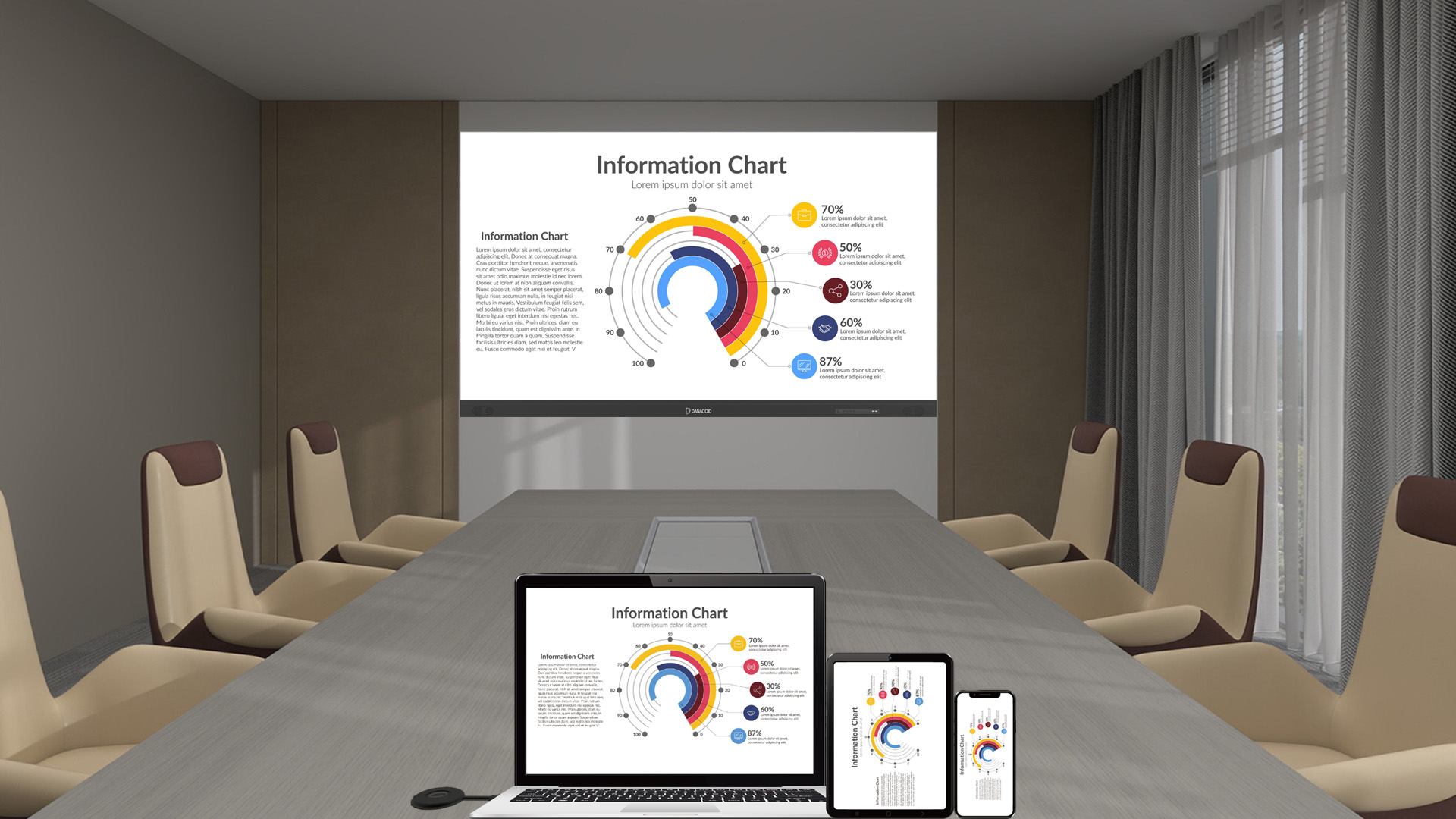
Modern sports venues are no longer just places where athletes compete — they are immersive entertainment destinations where every second of the audience experience matters. At the center of this transformation are sports arena LED displays, which have redefined how fans connect with live events, how venues communicate critical information, and how organizations monetize their physical spaces. From towering centerhung scoreboards to perimeter ribbon boards and concourse information screens, LED display technology has become the backbone of fan engagement infrastructure in stadiums and arenas worldwide.
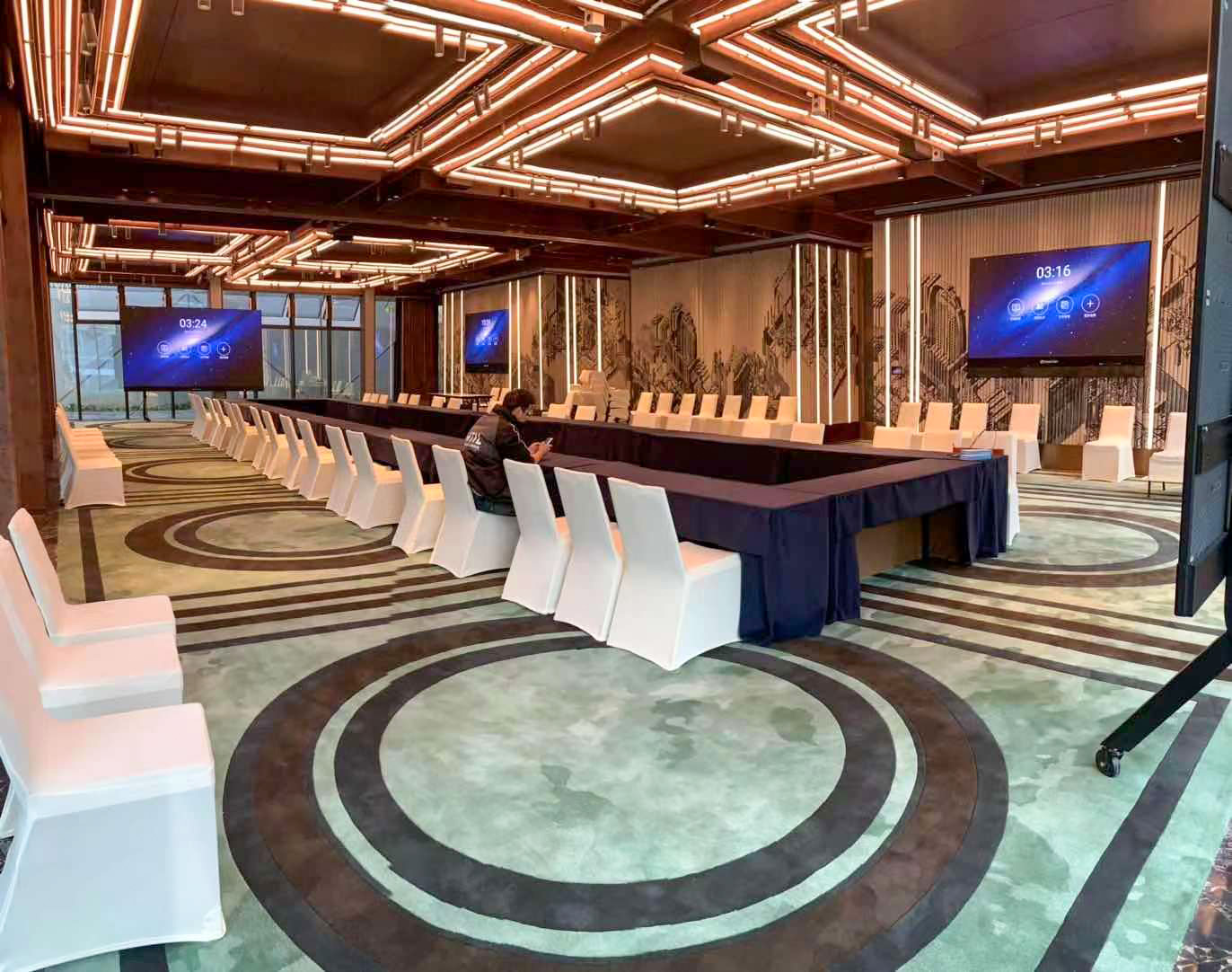
The demand for richer, more dynamic visual experiences continues to grow as fan expectations rise alongside advances in display resolution, brightness, and content management capabilities. Venues that invest strategically in sports arena LED displays gain a meaningful competitive advantage — not only by delivering a superior viewing experience but also by unlocking new revenue streams through digital advertising, sponsorship activations, and real-time data integration. Understanding how these systems enhance the fan experience requires looking at their role across multiple dimensions of the live event ecosystem.
The Visual Impact of Large-Format LED Displays in Sports Venues
Creating Immersive Sight Lines for Every Seat
One of the most immediate ways sports arena LED displays enhance the fan experience is by ensuring that no seat in the venue feels disconnected from the action. Giant centerhung displays positioned above the playing surface give fans in the upper tiers the same close-up view of critical plays as those sitting courtside or pitchside. This visual equity is fundamental to delivering a consistent experience across all ticket price categories.
High-resolution LED panels with fine pixel pitches allow venues to display ultra-sharp replays, player close-ups, and statistical graphics that are clearly legible even from the farthest rows. The brightness capabilities of modern sports arena LED displays — often exceeding 5,000 nits — mean that the content remains vivid and punchy even in open-air environments where natural light competes with the screen. This ensures that every fan, regardless of seating position, feels fully engaged rather than distanced from the live narrative.
The sheer scale of these displays also carries psychological weight. When a critical moment occurs — a game-winning goal, a record-breaking performance — a massive LED display amplifies the collective emotional response of the crowd. The shared visual spectacle becomes part of the memory itself, deepening the bond between fans and the venue experience.
Dynamic Content That Matches the Rhythm of the Event
Sports arena LED displays are not static billboards. Modern display systems are driven by sophisticated content management platforms that allow operators to synchronize visual content with the live flow of the game. Score updates, game clocks, fouls, timeouts, and player statistics can be pushed to screens in real time, keeping fans informed without requiring them to check a secondary device.
During breaks in play, the display network shifts seamlessly into entertainment mode — broadcasting crowd cams, trivia games, mascot animations, and sponsor messages. This rhythm of information and entertainment keeps fans engaged during moments that might otherwise feel like downtime. The ability of sports arena LED displays to adapt their content purpose from informational to entertainment-driven within seconds is one of their defining strengths as a fan experience tool.
Content directors working in live sports venues often speak of the LED display system as a storytelling instrument. The displays are not just showing what is happening on the field — they are shaping how the audience emotionally processes those events, building tension before critical plays and amplifying celebration in the aftermath.
Revenue and Sponsorship Activation Through LED Display Networks
Transforming Display Space into Premium Advertising Inventory
For venue operators and sports organizations, sports arena LED displays represent a powerful commercial infrastructure. Unlike static signage that locks sponsors into fixed positions and formats, LED display networks offer fully programmable digital inventory that can be sold with extraordinary flexibility. Sponsors can purchase time-specific placements, event-triggered activations, or integrated branded content segments that align with specific moments in the game.
Perimeter boards along the playing surface — visible both to in-venue fans and broadcast cameras — are among the most commercially valuable segments of the LED display network. Because these sports arena LED displays appear consistently in broadcast footage, they deliver dual reach: the physical audience in the venue and the far larger television or streaming audience. This broadcast visibility dramatically increases the commercial premium these placements command.
The digital nature of these displays also enables real-time localization and personalization of sponsor content. Regional advertisers can activate their messages only during games where their target demographic is present, while national sponsors can program consistent brand presence across multiple venues simultaneously through centralized content distribution platforms.
Data Integration and Performance Measurement
Modern sports arena LED displays increasingly operate within broader data ecosystems that allow venue operators and sponsors to measure engagement outcomes with precision. Integrated audience analytics tools can track dwell time, audience attention metrics during specific content windows, and the correlation between display activations and concession or retail purchase behavior within the venue.
This shift toward measurable, data-driven sponsorship activation changes the commercial conversation around LED display investments. Rather than selling exposure based on estimated attendance, venue operators can now present sponsors with verifiable engagement data tied to specific display placements and content formats. For sponsoring brands, this level of accountability makes sports arena LED displays a more attractive investment compared to other forms of sports marketing.
The ability to A/B test creative executions, rotate multiple sponsor messages dynamically, and optimize content schedules based on real-time audience behavior data positions LED display networks as intelligent commercial platforms rather than passive signage infrastructure.
Fan Communication and Safety Information Delivery
Real-Time Operational Communication Across the Venue
Beyond entertainment and advertising, sports arena LED displays serve a critical operational communication function. Large-scale venues with tens of thousands of attendees require efficient systems for broadcasting wayfinding information, queue management updates, concourse crowd distribution guidance, and emergency notifications. A well-designed LED display network across concourses, entry plazas, and exit corridors ensures that these messages reach fans quickly and clearly.
Wall-mounted information release screens positioned at key decision points throughout the venue complement the primary arena displays by delivering localized, context-specific content. A fan approaching a specific gate receives messaging relevant to that entry point, while visitors near food and beverage areas can be directed to shorter queue locations. This granular communication capability improves the overall flow management of the event and reduces friction in the fan journey.
Sports arena LED displays configured for emergency communication can override standard content programming to deliver uniform safety messages across all screens simultaneously. This capability is not only a practical operational requirement but an increasingly important factor in venue safety certification and regulatory compliance frameworks.
Connecting Remote Areas of the Venue to the Live Action
Large sports complexes often feature extended concourse areas, VIP lounges, press facilities, and outdoor plazas where fans spend significant portions of the event away from their seats. Sports arena LED displays deployed across these remote zones allow fans to follow the live game while they queue for refreshments, socialize in hospitality areas, or move between sections of the venue.
This continuous coverage ensures that fans never feel they are missing critical moments simply because they stepped away from their seat. The result is a venue experience that feels seamlessly connected regardless of where the fan physically is within the complex. In hospitality contexts, high-quality LED displays in premium lounges and suites contribute directly to the perceived value of premium ticket offerings.
Technical Considerations for Optimizing Sports Arena LED Display Performance
Pixel Pitch, Resolution, and Viewing Distance Calibration
Selecting the appropriate specifications for sports arena LED displays requires careful analysis of the relationship between pixel pitch, viewing distance, and content type. A centerhung display viewed from across a large arena requires a different pixel pitch than a courtside perimeter board viewed at close range by pitchside photographers and broadcast cameras. Getting this calibration right is essential to ensuring that content looks sharp and professional across all display positions.
For very large primary displays, pixel pitches in the range of P6 to P16 are common, offering an effective balance between visual resolution at long viewing distances and manageable panel costs. Perimeter and closer-proximity displays benefit from finer pixel pitches to maintain image clarity for near-range viewers. The total content resolution of each sports arena LED display must also be sized appropriately to support broadcast-quality graphic templates without visible pixelation.
Brightness calibration is equally important. Outdoor venues require substantially higher peak brightness levels than indoor arenas. Automated brightness adjustment systems that respond to ambient light conditions ensure that sports arena LED displays maintain optimal visibility throughout day-night or weather-changing events without consuming unnecessary energy during lower-light periods.
Structural Integration and Long-Term Maintenance Planning
The physical integration of large-format sports arena LED displays into stadium structures requires close coordination between display system engineers, structural engineers, and venue architects. Centerhung scoreboards impose significant structural loads and require rigging systems capable of supporting their weight while accommodating maintenance access requirements. Perimeter boards must be installed to withstand vibration, fan contact risk, and the thermal cycling that comes with outdoor exposure.
Long-term maintenance planning is a critical but often underestimated aspect of LED display investment decisions. Sports arena LED displays operate under high-intensity usage conditions — often hundreds of operational hours per season — and their reliability directly affects the fan experience and the venue's commercial obligations to sponsors. Selecting display systems with modular panel designs that allow individual LED module replacement without full panel removal significantly reduces both maintenance downtime and long-term ownership costs.
Thermal management systems integrated within LED cabinets play a key role in sustaining display performance and longevity. Adequate heat dissipation prevents premature LED degradation, maintains consistent color calibration across the display surface, and reduces the risk of unplanned failures during high-profile events when the cost of display downtime is highest.
FAQ
What makes sports arena LED displays different from standard commercial display screens?
Sports arena LED displays are engineered specifically for the demanding conditions of large-scale live event environments. They offer significantly higher brightness levels, wider viewing angle performance, greater structural durability, and more robust content management integration than standard commercial displays. Their modular construction allows them to be assembled into very large custom configurations that are not feasible with conventional flat-panel technology. They are also built to sustain continuous high-intensity operation across long event seasons.
How do sports arena LED displays contribute to sponsorship revenue?
Sports arena LED displays create flexible, programmable digital advertising inventory that can be sold to sponsors in time-specific, event-triggered, or content-integrated formats. Their presence in broadcast camera sight lines means that sponsor messages delivered on in-venue LED displays also reach television and streaming audiences, creating significant additional commercial value. Data integration capabilities allow venues to provide sponsors with measurable engagement metrics, making LED display placements a more accountable investment than traditional static signage.
What role do sports arena LED displays play in venue safety communication?
In emergency situations, sports arena LED displays can be configured to override standard content programming and broadcast uniform safety notifications across all screens in the venue simultaneously. This capability ensures rapid, consistent communication with large crowds and is an important component of modern venue safety planning. Beyond emergency use, these displays also support routine operational communication such as wayfinding, crowd management, and event schedule information across all areas of the facility.
How should venues plan for the long-term maintenance of sports arena LED displays?
Effective long-term maintenance planning for sports arena LED displays begins at the specification and procurement stage. Venues should prioritize modular display systems that allow individual LED module replacement without requiring full panel or cabinet removal, as this significantly reduces maintenance complexity and cost. Establishing a preventive maintenance schedule, ensuring access to technical support and spare parts, and incorporating thermal management systems that prevent premature component degradation are all essential elements of a sustainable long-term maintenance strategy for large-format LED display infrastructure.
Table of Contents
- The Visual Impact of Large-Format LED Displays in Sports Venues
- Revenue and Sponsorship Activation Through LED Display Networks
- Fan Communication and Safety Information Delivery
- Technical Considerations for Optimizing Sports Arena LED Display Performance
-
FAQ
- What makes sports arena LED displays different from standard commercial display screens?
- How do sports arena LED displays contribute to sponsorship revenue?
- What role do sports arena LED displays play in venue safety communication?
- How should venues plan for the long-term maintenance of sports arena LED displays?


