
 EN
EN
Selecting the right indoor LED display requires careful consideration of pixel pitch, viewing distance, and application requirements. Modern commercial environments demand high-quality visual solutions that deliver exceptional clarity and performance. Understanding the fundamental differences between fine-pitch and standard pitch technologies helps businesses make informed decisions that align with their specific needs and budget constraints.

Understanding Pixel Pitch Technology
Definition and Measurement Standards
Pixel pitch represents the distance between the centers of adjacent pixels, measured in millimeters. This fundamental specification directly impacts image quality, viewing distance, and overall performance characteristics. Fine-pitch displays typically feature pixel pitches between 0.9mm and 2.5mm, while standard pitch variants range from 3mm to 10mm or higher.
The measurement standard affects resolution density, with smaller pixel pitches delivering higher pixel density per square meter. An indoor LED display with 1.25mm pitch provides significantly more pixels than a 4mm alternative within the same physical dimensions. This increased density translates to sharper images and smoother video playback capabilities.
Technical Specifications Comparison
Fine-pitch technology incorporates advanced manufacturing processes that enable precise LED placement and superior color uniformity. These displays feature enhanced brightness control, typically offering 500-1500 nits brightness levels suitable for various ambient lighting conditions. Standard pitch alternatives generally provide 1000-5000 nits, making them suitable for environments with higher ambient light levels.
Processing capabilities differ significantly between these technologies. Fine-pitch indoor LED display systems require sophisticated video processors capable of handling high-resolution content streams. Standard pitch displays utilize less complex processing requirements, reducing overall system complexity and maintenance needs.
Application-Specific Considerations
Corporate Environments and Conference Rooms
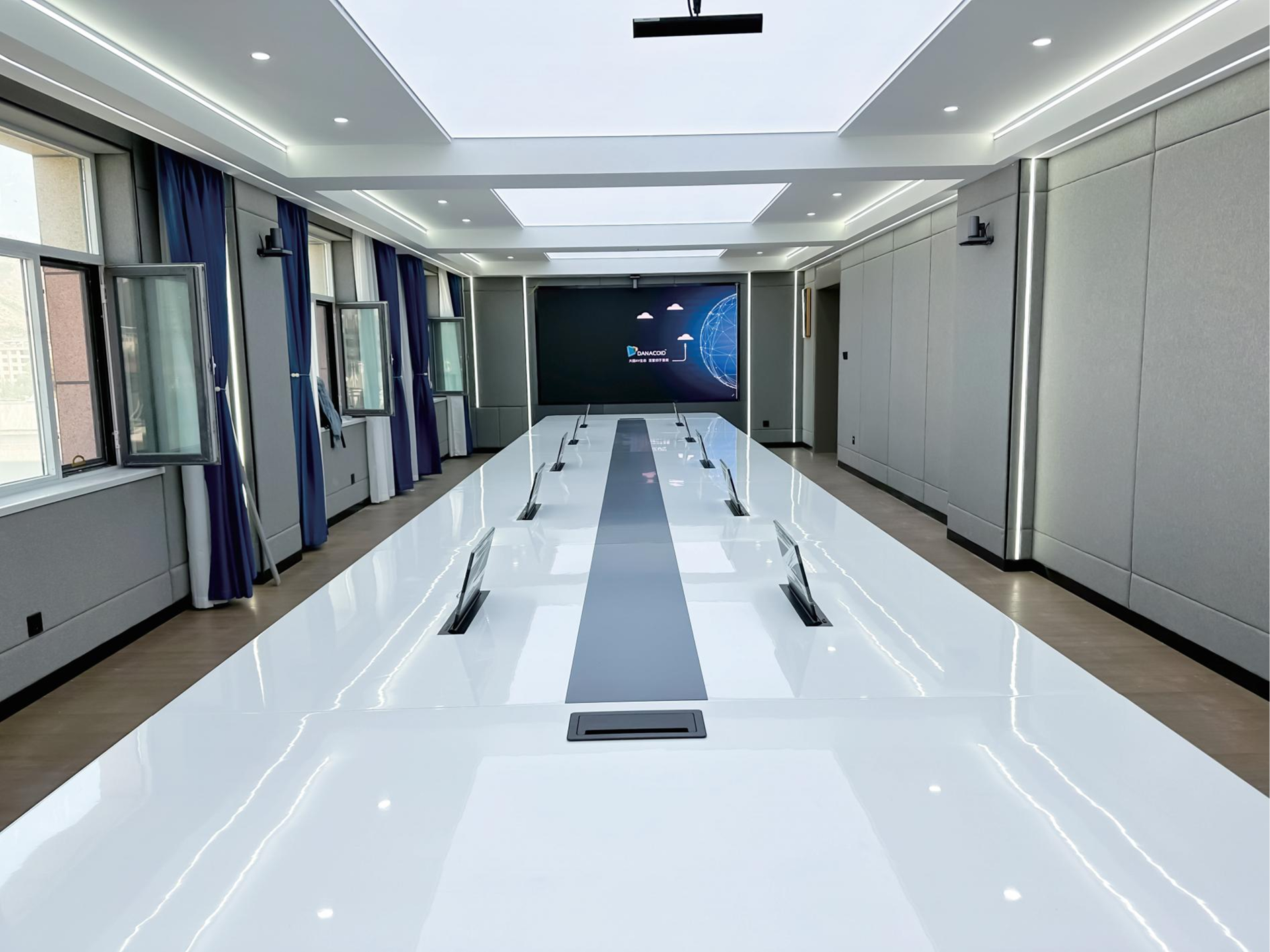
Corporate applications benefit substantially from fine-pitch technology due to close viewing distances and detailed content requirements. Executive boardrooms, training facilities, and presentation spaces typically require viewing distances between 1.5 and 4 meters. Fine-pitch indoor LED display solutions deliver exceptional text clarity and detailed graphics reproduction essential for professional presentations.
Conference room installations demand seamless integration with existing audiovisual systems. Fine-pitch displays offer superior connectivity options and compatibility with various input sources. These systems support multiple simultaneous inputs, enabling collaborative workflows and enhanced productivity during meetings and presentations.
Retail and Commercial Spaces
Retail environments require dynamic content capabilities that engage customers while maintaining visual appeal throughout extended operating hours. Standard pitch indoor LED display technology often provides sufficient resolution for retail applications where viewing distances exceed 3 meters. These installations focus on bright, eye-catching content rather than detailed text or intricate graphics.
Commercial spaces benefit from standard pitch technology's cost-effectiveness and reliability. Shopping centers, airports, and public venues utilize these displays for wayfinding, advertising, and information dissemination. The robust construction and simplified maintenance requirements make standard pitch solutions ideal for high-traffic environments.
Cost Analysis and Budget Considerations
Initial Investment Requirements
Fine-pitch indoor LED display systems command premium pricing due to advanced manufacturing requirements and sophisticated components. Initial costs typically range from 2-4 times higher than comparable standard pitch alternatives. However, these investments deliver superior image quality and enhanced user experiences that justify the additional expense in appropriate applications.
Standard pitch solutions offer attractive entry points for organizations with budget constraints or applications that don't require ultra-high resolution. These systems provide reliable performance and professional appearance while maintaining reasonable acquisition costs. The lower initial investment enables broader deployment across multiple locations or larger display areas.
Long-term Operational Expenses
Operational costs encompass power consumption, maintenance requirements, and potential component replacements. Fine-pitch indoor LED display technology typically consumes less power per pixel due to advanced LED efficiency improvements. However, higher pixel density results in increased overall power consumption compared to standard pitch alternatives covering equivalent display areas.
Maintenance complexity varies significantly between these technologies. Fine-pitch systems require specialized service technicians and precision calibration procedures. Standard pitch displays offer simplified maintenance protocols and broader technician availability, potentially reducing long-term service costs and minimizing downtime during repairs.
Performance Characteristics and Image Quality
Resolution and Clarity Standards
Image clarity represents the most significant differentiator between fine-pitch and standard pitch technologies. Fine-pitch indoor LED display systems deliver exceptional sharpness and detail reproduction suitable for close viewing applications. Text readability, fine graphics, and high-resolution video content benefit substantially from increased pixel density.
Standard pitch displays excel in applications where content consists primarily of large graphics, videos, and bold text elements. These systems provide adequate resolution for most commercial applications while maintaining cost-effectiveness. The reduced pixel density doesn't compromise performance when viewed from appropriate distances.
Color Reproduction and Uniformity
Color accuracy and uniformity standards vary between fine-pitch and standard pitch technologies. Fine-pitch indoor LED display solutions incorporate advanced color calibration systems and premium LED components. These features ensure consistent color reproduction across the entire display surface and maintain accuracy throughout extended operational periods.
Standard pitch alternatives utilize proven LED technology with reliable color performance suitable for most commercial applications. While not achieving the precision levels of fine-pitch systems, these displays provide satisfactory color reproduction for advertising, informational, and entertainment content applications.
Installation and Integration Requirements
Structural Considerations
Mounting and structural requirements differ substantially between fine-pitch and standard pitch systems. Fine-pitch indoor LED display installations demand precise alignment and stable mounting structures to maintain image quality. These systems feature tighter manufacturing tolerances and require careful handling during installation processes.
Standard pitch displays offer more forgiving installation requirements with less stringent alignment tolerances. The larger pixel pitch masks minor installation imperfections, simplifying the mounting process. These characteristics make standard pitch solutions more suitable for installations in challenging environments or retrofit applications.
System Integration and Control
Control system complexity varies significantly between these technologies. Fine-pitch indoor LED display systems require sophisticated video processing and control equipment capable of managing high-resolution content streams. Integration with building management systems and advanced scheduling capabilities often accompany these installations.
Standard pitch displays utilize simpler control systems with straightforward content management interfaces. These systems integrate easily with existing audiovisual infrastructure and require minimal specialized training for operational staff. The simplified approach reduces implementation complexity and ongoing support requirements.
Future-Proofing and Technology Evolution
Technological Advancement Trends
Industry trends indicate continued advancement in both fine-pitch and standard pitch technologies. Fine-pitch indoor LED display development focuses on further pixel pitch reduction, improved manufacturing efficiency, and enhanced durability. Emerging technologies promise even finer pitches while maintaining cost-effectiveness.
Standard pitch evolution emphasizes improved LED efficiency, enhanced color gamut, and simplified installation procedures. These advancements maintain the technology's cost advantage while improving performance characteristics. Standardization efforts aim to reduce complexity and increase interoperability across different manufacturers.
Investment Protection Strategies
Protecting technology investments requires careful consideration of future requirements and industry evolution. Fine-pitch indoor LED display systems offer superior longevity due to advanced specifications that exceed current application demands. This technology headroom provides protection against evolving content requirements and viewing expectations.
Standard pitch solutions provide reliable performance and established upgrade paths. The mature technology base ensures continued component availability and service support. Organizations can implement phased upgrade strategies that align with budget cycles and changing requirements.
FAQ
What viewing distance works best for fine-pitch indoor LED displays
Fine-pitch indoor LED display systems perform optimally at viewing distances between 1.5 and 4 meters. This range allows viewers to appreciate the enhanced resolution and detail capabilities while maintaining comfortable viewing angles. Closer distances may reveal individual pixels, while greater distances don't fully utilize the technology's advantages.
How do maintenance requirements differ between fine-pitch and standard pitch systems
Fine-pitch systems require specialized maintenance procedures and certified technicians due to precise calibration needs and advanced components. Standard pitch indoor LED display installations utilize conventional maintenance approaches with broader technician availability and simplified troubleshooting procedures.
Can existing infrastructure support fine-pitch display installations
Most modern commercial buildings can accommodate fine-pitch indoor LED display installations with appropriate planning. Power requirements, structural mounting, and cooling considerations may require infrastructure upgrades. Professional site surveys help determine specific modification requirements and implementation feasibility.
What content types benefit most from fine-pitch technology
Fine-pitch indoor LED display technology excels with detailed presentations, financial data, CAD drawings, high-resolution videos, and text-heavy content. Applications requiring close viewing or intricate detail reproduction achieve significant benefits from the enhanced pixel density and superior image clarity capabilities.