
 EN
EN
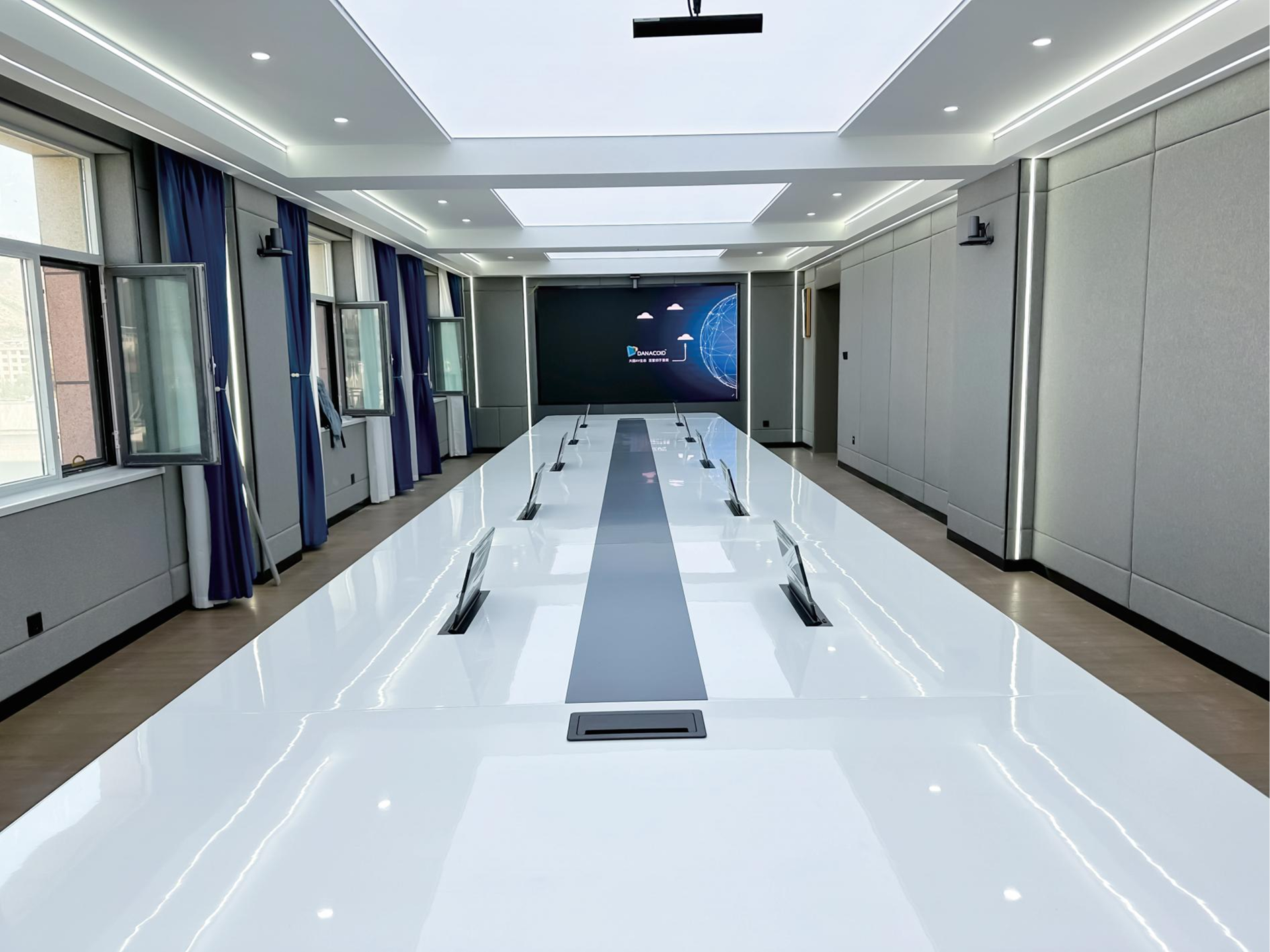
Modern conference rooms and presentation spaces demand cutting-edge display technology that can deliver exceptional visual experiences while maintaining operational efficiency. The evolution of large-format display solutions has led to two prominent technologies competing for market dominance: seamless LED video walls and tiled LCD displays. Understanding the fundamental differences, advantages, and applications of these technologies is crucial for organizations making strategic investment decisions in their audiovisual infrastructure.
The choice between these display technologies significantly impacts viewing quality, installation complexity, maintenance requirements, and long-term operational costs. Each technology offers distinct advantages depending on specific use cases, environmental conditions, and budget considerations. This comprehensive analysis examines both solutions from multiple perspectives to help decision-makers select the most appropriate technology for their unique requirements.
Technology Architecture and Design Principles
LED Video Wall Construction
LED video walls utilize individual light-emitting diodes arranged in precise pixel matrices to create large-scale displays without visible seams. These systems employ advanced semiconductor technology where each LED functions as a self-illuminating pixel, eliminating the need for backlighting systems. The modular design allows for virtually unlimited scalability, enabling installations ranging from compact conference room displays to massive stadium-sized screens.
The pixel pitch, measured in millimeters between LED centers, determines viewing distance requirements and image resolution. Fine-pitch LED displays with pixel pitches below 2.5mm are specifically engineered for close-viewing applications such as control rooms, boardrooms, and broadcast studios. Advanced manufacturing techniques ensure consistent color reproduction and brightness uniformity across the entire display surface.
LCD Tiled Display Systems
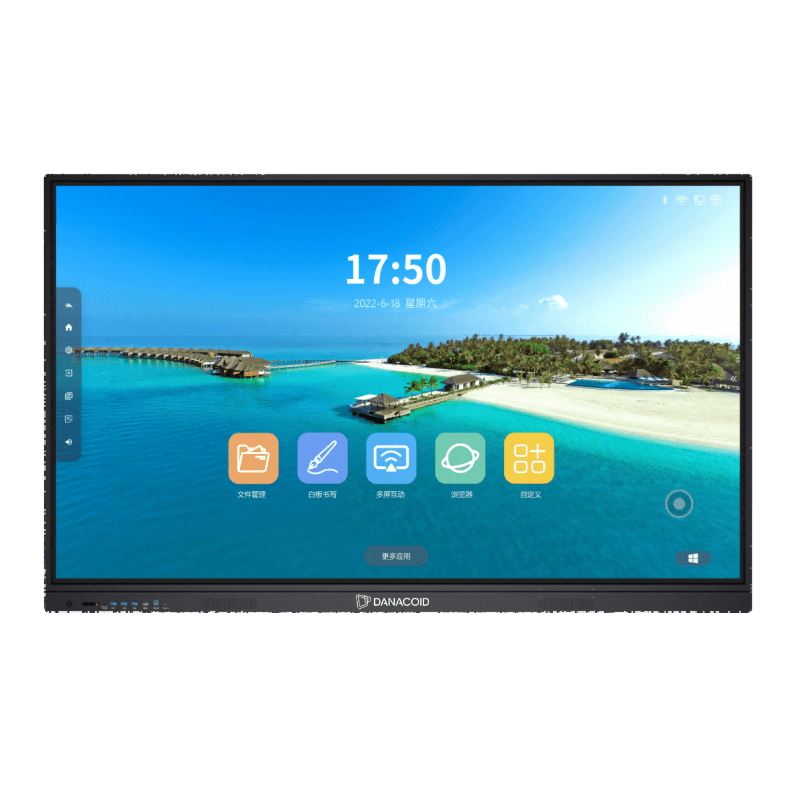
LCD tiled displays combine multiple individual LCD panels into cohesive large-format installations. Each panel contains liquid crystal cells sandwiched between polarizing filters, with LED backlighting providing illumination. The LCD intelligent conference screen interactive technology incorporates advanced processing capabilities that enable multi-touch functionality and collaborative features essential for modern meeting environments.
Contemporary LCD tiles feature ultra-narrow bezels, typically ranging from 0.9mm to 3.5mm, to minimize visual interruption between adjacent panels. Specialized video wall controllers synchronize content across multiple displays, ensuring seamless image continuity and proper color matching. The standardized manufacturing processes result in consistent panel characteristics and simplified replacement procedures.
Visual Performance Characteristics
Image Quality and Resolution
LED video walls excel in brightness output, typically delivering 800 to 5000 nits, making them ideal for high-ambient-light environments and outdoor applications. The direct emission technology provides exceptional contrast ratios exceeding 5000:1, resulting in deep blacks and vibrant colors. Color reproduction capabilities span wide gamut specifications, often exceeding 120% of the NTSC color space.
LCD tiled displays generally offer superior native resolution density, with 4K panels providing 3840x2160 pixels per tile. This higher pixel density enables crisp text rendering and detailed image reproduction at closer viewing distances. Advanced LCD panels incorporate quantum dot technology and local dimming features to enhance color accuracy and contrast performance, though brightness levels typically range from 300 to 700 nits.
Seamless Visual Experience
The fundamental advantage of LED technology lies in its ability to create truly seamless displays without visible boundaries between modules. This characteristic proves particularly valuable for applications requiring uninterrupted visual continuity, such as digital signage, command centers, and immersive visualization environments. The absence of bezels eliminates distracting visual artifacts that can impact viewer engagement and content comprehension.
LCD tiled systems, despite technological advances in bezel reduction, still present visible seams between panels. However, modern ultra-narrow bezel designs significantly minimize visual disruption, and specialized content optimization techniques can effectively mask seam visibility for many applications. The structured grid pattern created by multiple LCD panels can actually enhance certain types of content presentation, particularly in information-rich dashboard environments.
Installation and Infrastructure Requirements
Mounting and Structural Considerations
LED video wall installations require robust mounting structures capable of supporting the cumulative weight of multiple modules while maintaining precise alignment tolerances. Professional installation teams utilize specialized calibration equipment to ensure perfect module registration and uniform surface planarity. The modular nature allows for field serviceability, with individual modules replaceable without dismantling the entire display.
LCD tiled installations benefit from standardized VESA mounting interfaces and established installation practices. The individual panel approach simplifies transportation and handling, particularly advantageous for installations in confined spaces or elevated locations. However, achieving optimal alignment across multiple panels requires careful attention to mounting precision and thermal expansion considerations.
Power and Cooling Infrastructure
LED displays typically consume 150-400 watts per square meter, depending on brightness settings and content characteristics. The distributed power architecture requires multiple power connections and appropriate electrical infrastructure planning. Heat dissipation occurs across the entire display surface, often necessitating dedicated cooling systems for high-brightness applications or enclosed installations.
LCD systems generally exhibit lower power consumption, typically ranging from 100-250 watts per square meter. The concentrated heat generation at individual panels simplifies cooling requirements, though adequate ventilation remains essential for optimal performance and longevity. The standardized power requirements facilitate predictable electrical planning and simplified power distribution design.
Operational Performance and Reliability
Lifespan and Degradation Patterns
LED technology offers exceptional operational longevity, with quality displays maintaining 70% of original brightness after 100,000 hours of operation. The gradual degradation pattern provides predictable performance decline, enabling proactive maintenance scheduling. Individual LED failures typically result in single-pixel dark spots rather than complete module failure, allowing continued operation with minimal visual impact.
LCD panels typically provide 60,000-80,000 hours of operation before requiring replacement. The failure mode often involves complete panel shutdown or significant performance degradation, necessitating immediate replacement to maintain display functionality. However, the modular nature enables targeted replacement of failed units without affecting adjacent panels.
Maintenance and Service Requirements
LED video walls require specialized maintenance procedures including regular calibration, cleaning protocols, and thermal management monitoring. The complex electronics and multiple interconnections demand technical expertise for troubleshooting and repair. Preventive maintenance programs typically include periodic brightness and color uniformity calibration to maintain optimal visual performance throughout the display's operational life.
LCD maintenance involves standard commercial display servicing procedures, leveraging established support networks and readily available replacement components. The individual panel architecture simplifies diagnostic procedures and enables rapid component substitution. Routine maintenance primarily involves cleaning, firmware updates, and periodic calibration to maintain color accuracy across multiple displays.
Cost Analysis and Total Ownership
Initial Investment Considerations
LED video wall systems typically require higher initial capital investment, with costs varying significantly based on pixel pitch, brightness specifications, and installation complexity. Fine-pitch displays suitable for conference room applications can range from $4,000 to $15,000 per square meter, including necessary control systems and professional installation services.
LCD tiled solutions generally offer lower entry costs, with quality commercial displays ranging from $1,500 to $5,000 per square meter installed. The standardized components and established supply chains contribute to competitive pricing and shorter lead times. However, additional costs for specialized mounting hardware, video wall controllers, and calibration services must be considered in comprehensive budget planning.
Long-term Operational Expenses
LED systems typically demonstrate superior long-term cost efficiency due to extended operational life and lower maintenance requirements. Energy consumption optimization through intelligent brightness control and content-aware power management contributes to reduced operational expenses. The gradual degradation pattern enables extended service intervals and predictable replacement scheduling.
LCD systems may require more frequent component replacement and periodic recalibration services to maintain optimal performance. However, the availability of standard replacement parts and competitive service markets can help control long-term maintenance costs. Energy efficiency improvements in modern LCD technology have significantly reduced operational power consumption compared to previous generations.
Application-Specific Suitability
Conference and Collaboration Environments
LED video walls excel in large conference rooms and auditoriums where seamless visual presentation enhances audience engagement and content comprehension. The superior brightness capabilities enable effective presentation in well-lit environments without requiring room darkening. The scalable nature accommodates various room sizes and viewing distance requirements.
LCD intelligent conference screen interactive solutions prove particularly effective in smaller meeting rooms and collaborative workspaces where touch interaction and detailed content review are priorities. The higher resolution density enables clear text rendering for document review and data analysis applications. Interactive capabilities transform passive displays into collaborative tools supporting modern meeting workflows.
Control Room and Command Center Applications
LED technology dominates mission-critical control room installations where 24/7 operation, maximum reliability, and seamless visual presentation are paramount requirements. The ability to create custom aspect ratios and curved installations provides flexibility for specialized operator console configurations. The long operational life and predictable maintenance requirements align with critical infrastructure demands.
LCD tiled systems serve effectively in smaller control environments where budget constraints and standardized component availability are important considerations. The individual panel approach enables partial system operation during maintenance activities, reducing operational disruption. However, the visible seams may impact operator efficiency in applications requiring continuous visual tracking across display boundaries.
FAQ
What are the main visual differences between LED video walls and LCD tiled displays
The primary visual difference lies in seamlessness and brightness capabilities. LED video walls provide completely seamless displays without visible borders between modules, while LCD tiled displays feature narrow bezels that create visible grid patterns. LED displays typically offer superior brightness output ranging from 800-5000 nits compared to LCD's 300-700 nits, making LEDs more suitable for high-ambient-light environments. However, LCD displays generally provide higher pixel density for sharper text and detailed image reproduction at close viewing distances.
Which technology offers better long-term value and return on investment
LED video walls typically provide superior long-term value despite higher initial costs due to their extended operational life of 100,000+ hours and lower maintenance requirements. The gradual degradation pattern enables predictable replacement scheduling and continued operation even with individual component failures. LCD systems offer lower initial investment but may require more frequent component replacement and calibration services. The optimal choice depends on specific application requirements, expected usage patterns, and available budget for initial investment versus long-term operational costs.
How do installation and infrastructure requirements differ between these technologies
LED video walls require more robust mounting structures and specialized installation expertise due to their modular nature and precise alignment requirements. They typically consume more power and generate more heat, necessitating adequate electrical infrastructure and cooling systems. LCD tiled systems benefit from standardized mounting interfaces and established installation practices, making them easier to transport and install in confined spaces. However, both technologies require careful planning for power distribution, signal management, and environmental control to ensure optimal performance.
What factors should guide the technology selection decision
Key selection factors include viewing distance requirements, ambient light conditions, budget constraints, installation complexity, and specific application needs. LED video walls are preferable for large venues requiring seamless presentation, high brightness, and maximum visual impact. LCD intelligent conference screen interactive systems excel in collaborative environments where touch functionality, higher resolution density, and budget efficiency are priorities. Consider total cost of ownership, maintenance requirements, expected operational life, and available technical support when making the final decision.
Table of Contents
- Technology Architecture and Design Principles
- Visual Performance Characteristics
- Installation and Infrastructure Requirements
- Operational Performance and Reliability
- Cost Analysis and Total Ownership
- Application-Specific Suitability
-
FAQ
- What are the main visual differences between LED video walls and LCD tiled displays
- Which technology offers better long-term value and return on investment
- How do installation and infrastructure requirements differ between these technologies
- What factors should guide the technology selection decision