
 EN
EN
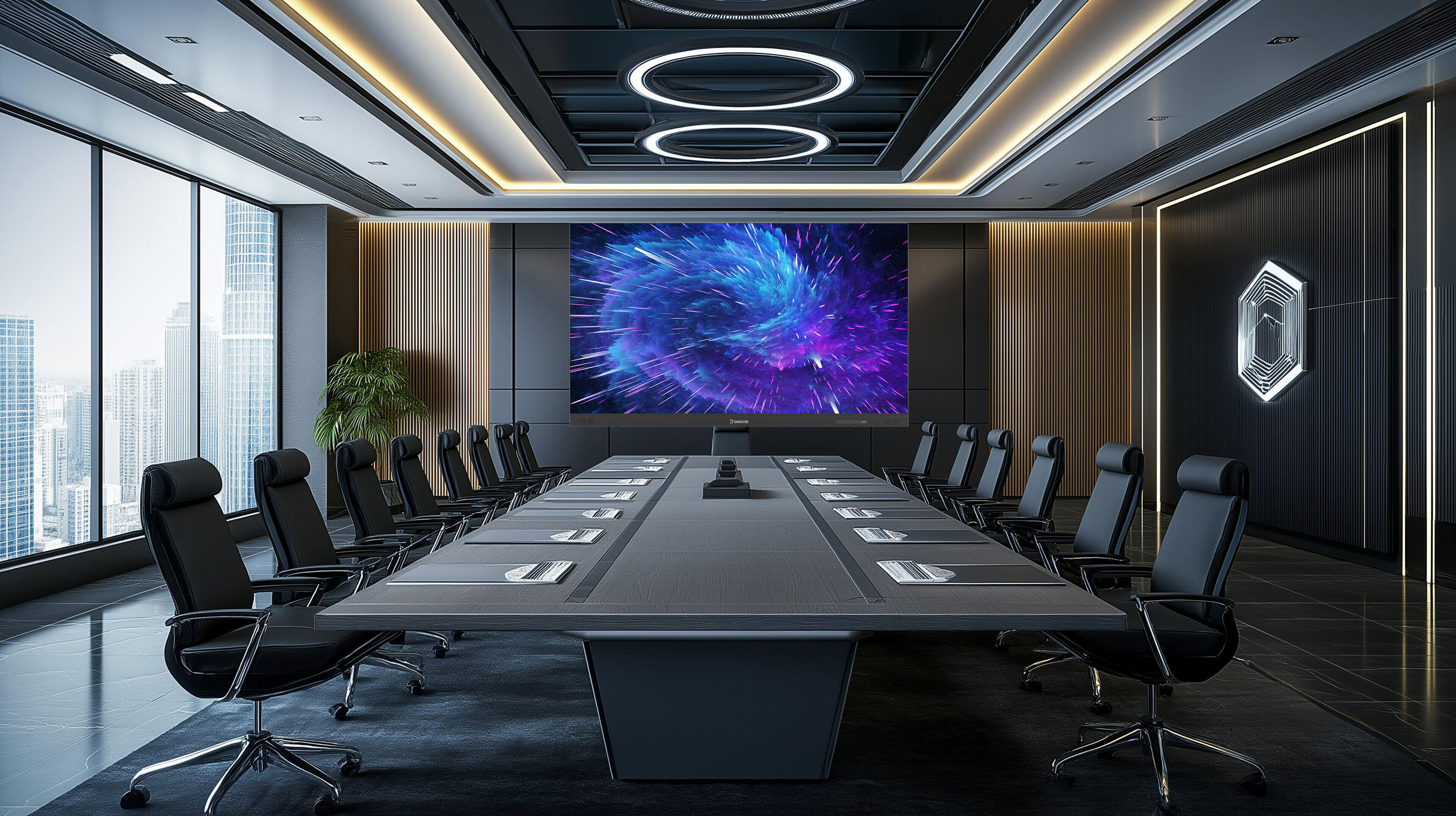
Museums and galleries worldwide are embracing innovative technologies to transform visitor experiences and create immersive storytelling environments. Transparent LED displays represent a groundbreaking solution that allows cultural institutions to overlay digital content seamlessly onto physical exhibits without obstructing the view of artifacts. These revolutionary display systems enable curators to provide dynamic contextual information, interactive elements, and multimedia presentations while preserving the authentic viewing experience of collections.
The creative potential of transparent LED displays in museum and gallery settings extends far beyond traditional digital signage applications. These sophisticated systems offer unprecedented flexibility in exhibition design, allowing institutions to create layered visual narratives that blend physical and digital elements harmoniously. From enhancing historical artifacts with animated reconstructions to providing multilingual interpretive content that appears to float in mid-air, transparent LED displays open new possibilities for educational engagement and artistic expression.
Artifact Enhancement and Historical Reconstruction
Bringing Ancient Objects to Life
Transparent LED displays excel at creating temporal bridges between past and present by overlaying digital reconstructions onto archaeological artifacts and historical objects. Museums can display broken pottery with ghostly overlays showing the original complete form, or present ancient coins alongside magnified details of worn inscriptions. This application allows visitors to understand the original appearance and function of deteriorated artifacts without physical restoration that might compromise their historical integrity.
Archaeological museums particularly benefit from transparent LED displays when presenting fragmented sculptures, architectural elements, or incomplete manuscripts. The technology enables curators to show hypothetical reconstructions based on scholarly research while keeping the authentic artifact visible underneath. This dual presentation method respects both scientific accuracy and visitor comprehension, creating educational experiences that honor historical evidence while making complex information accessible.
Contextual Animation and Process Demonstration
Creative applications of transparent LED displays include animated demonstrations that show how historical objects were created, used, or functioned in their original context. For metalworking exhibits, displays can show the forging process superimposed over ancient tools. Textile galleries can present weaving animations that appear to emerge from historical looms, while natural history museums can display evolutionary processes unfolding over fossil specimens.
These contextual animations transform static displays into dynamic learning environments where visitors observe both the end result and the process that created it. The transparency feature ensures that the authentic artifact remains the focal point while the digital overlay provides supplementary educational content. This approach particularly resonates with visual learners and younger audiences who expect interactive digital experiences in cultural settings.
Interactive Wayfinding and Exhibition Navigation
Floating Information Systems
Transparent LED displays revolutionize museum navigation by creating floating information systems that provide directional guidance without blocking sight lines or disrupting architectural aesthetics. These systems can display floor plans, exhibition schedules, and thematic pathways that appear to hover in space, guiding visitors through complex gallery layouts. The transparency allows the displays to integrate seamlessly with existing interior design while providing clear, accessible information.
Gallery spaces benefit enormously from transparent LED displays positioned at strategic decision points throughout the exhibition flow. Visitors can access multilingual maps, audio tour information, and real-time updates about special events or temporary exhibitions. The displays can adapt their content based on visitor traffic patterns, time of day, or special programming, ensuring that navigation information remains current and relevant.
Immersive Storytelling Pathways
Creative wayfinding applications extend beyond basic navigation to create immersive storytelling pathways that guide visitors through curated narratives. Transparent LED displays can present sequential story elements that build upon each other as visitors move through gallery spaces. Historical timeline displays might show evolving dates and events that correspond to artifacts in each room, creating continuity across the entire museum experience.
These storytelling pathways particularly enhance thematic exhibitions where transparent LED displays connect disparate objects through shared narratives. Art galleries can use the technology to trace artistic movements across different rooms, while science museums can follow evolutionary developments or technological progressions. The transparent nature of the displays ensures that each individual exhibit maintains its impact while contributing to the larger narrative structure.
Multilingual and Accessibility Features
Adaptive Language Presentations
Transparent LED displays offer sophisticated solutions for multilingual interpretation that go beyond traditional audio guides or printed materials. These systems can detect visitor preferences through mobile device integration or manual selection, automatically displaying interpretive content in appropriate languages without requiring additional hardware. The floating text appears naturally integrated with exhibits, creating personalized experiences that adapt to diverse international audiences.
Cultural institutions serving diverse communities particularly benefit from transparent LED displays that can cycle through multiple languages or present side-by-side translations. The technology supports various alphabets, character sets, and reading directions, ensuring that content presentation respects linguistic diversity. Interactive elements allow visitors to access deeper levels of information in their preferred language, from basic object identification to scholarly interpretations and cultural context.
Universal Design and Accessibility Enhancement
Creative applications of transparent LED displays include accessibility features that make museum content available to visitors with different needs and abilities. Visual content can be supplemented with audio descriptions triggered by the displays, while text can be enlarged or enhanced with high contrast settings for visitors with visual impairments. The displays can also present sign language interpretation videos that appear to float beside exhibits, creating inclusive experiences for deaf and hard-of-hearing visitors.
The positioning flexibility of transparent LED displays allows institutions to accommodate wheelchair users and visitors of different heights by adjusting content placement and size. Interactive elements can be designed with various input methods, from touch interfaces to gesture recognition, ensuring that all visitors can engage with digital content regardless of physical limitations. These accessibility enhancements demonstrate how transparent LED displays support universal design principles while maintaining aesthetic integration.
Artistic Integration and Contemporary Exhibitions
Digital Art Overlay Systems
Contemporary art galleries utilize transparent LED displays to create innovative exhibition formats that blur boundaries between digital and traditional media. Artists can design works specifically for transparent display systems, creating layered compositions that interact with gallery architecture and ambient lighting. These installations might feature time-based media that responds to visitor movement or environmental conditions, transforming gallery spaces into dynamic, responsive environments.
Mixed media exhibitions particularly benefit from transparent LED displays that allow traditional artworks to coexist with digital elements without visual competition. Painters can create works that incorporate digital layers, while sculptors can add animated elements that enhance three-dimensional forms. The transparency ensures that neither medium dominates, creating balanced presentations that respect both traditional artistic values and contemporary technological possibilities.
Curatorial Commentary and Artist Perspectives
Transparent LED displays enable innovative curatorial approaches by presenting commentary, analysis, and artist perspectives that appear to emerge from the artworks themselves. Video interviews with artists can be displayed as floating elements beside their works, while curatorial essays can unfold gradually as visitors approach different pieces. This integration creates intimate, personal connections between audiences and creative content without requiring separate screening areas or additional space.
Gallery openings and special events benefit from transparent LED displays that can present real-time social media feeds, artist demonstrations, or live commentary from curators and critics. The displays can adapt their content for different events while maintaining visual consistency with permanent collections. This flexibility allows galleries to create unique experiences for special occasions while preserving the integrity of ongoing exhibitions.
Educational Programming and Workshop Integration
Interactive Learning Stations
Educational departments in museums and galleries leverage transparent LED displays to create interactive learning stations that engage visitors in hands-on exploration of collection themes. These stations can present step-by-step tutorials for artistic techniques, scientific processes, or historical analysis methods. The transparent nature allows educational content to overlay directly onto relevant objects or demonstration materials, creating seamless integration between instruction and practice.
School group programs particularly benefit from transparent LED displays that can present age-appropriate content adaptations and interactive challenges. Elementary students might see simplified explanations and engaging animations, while high school groups access more detailed analysis and critical thinking exercises. The displays can track group progress through educational modules, providing teachers with valuable feedback about student engagement and comprehension levels.
Collaborative Research and Documentation
Research-oriented applications of transparent LED displays include collaborative documentation systems where visitors contribute observations, interpretations, or personal connections to exhibited materials. These crowd-sourced commentary systems create living archives of visitor responses and cultural perspectives. Transparent displays can present evolving collections of visitor contributions alongside curatorial content, demonstrating how public engagement enriches institutional knowledge.
Academic partnerships benefit from transparent LED displays that present ongoing research projects and invite visitor participation in data collection or analysis. Anthropology exhibits might include visitor surveys about cultural practices, while natural history displays could engage citizen scientists in observation and classification activities. These collaborative features transform passive viewing into active participation, supporting institutional research goals while enhancing visitor investment in museum missions.
FAQ
How do transparent LED displays maintain visual clarity when overlaying content on museum artifacts?
Transparent LED displays maintain visual clarity through advanced transparency levels typically ranging from 70-90%, allowing clear visibility of objects behind the screen. The displays use sophisticated pixel spacing and brightness controls that adjust automatically to ambient lighting conditions. Content is carefully designed with appropriate contrast levels and strategic placement to enhance rather than obscure artifact viewing. Modern transparent LED displays also feature anti-glare coatings and precise color calibration to ensure that digital overlays complement rather than compete with exhibited objects.
Can transparent LED displays integrate with existing museum security and environmental control systems?
Yes, transparent LED displays can integrate seamlessly with museum security and environmental monitoring systems through standard networking protocols and sensor interfaces. The displays can automatically adjust brightness and content based on ambient light sensors, while motion detectors can trigger interactive content when visitors approach exhibits. Integration with climate control systems ensures that display operation doesn't interfere with temperature and humidity requirements for artifact preservation. Security integration allows displays to function as monitoring stations while providing visitor services, creating multi-functional installations that support both public engagement and collection protection.
What maintenance and operational considerations apply to transparent LED displays in museum environments?
Transparent LED displays in museum environments require regular maintenance schedules that align with institutional conservation practices and visitor access patterns. The displays feature modular designs allowing for component replacement without disrupting entire exhibition areas. Cleaning protocols use museum-approved materials that won't generate harmful particles or chemicals near sensitive artifacts. Power consumption is optimized for continuous operation with automatic dimming during off-hours, while remote monitoring systems track performance metrics and predict maintenance needs. Staff training programs ensure that museum personnel can operate content management systems and perform basic troubleshooting without requiring specialized technical expertise.
How do transparent LED displays support different types of museum collections and exhibition formats?
Transparent LED displays adapt to various museum collection types through customizable mounting systems, content management platforms, and interactive features designed for specific exhibition needs. Art galleries benefit from color-accurate displays that respect artistic integrity, while science museums utilize high-brightness options suitable for interactive demonstrations. Historical institutions can implement timeline displays and contextual overlays, while natural history museums employ animation capabilities for ecological and evolutionary presentations. The modular nature of transparent LED displays allows institutions to reconfigure systems for temporary exhibitions, traveling shows, and special events without permanent installation modifications.
Table of Contents
- Artifact Enhancement and Historical Reconstruction
- Interactive Wayfinding and Exhibition Navigation
- Multilingual and Accessibility Features
- Artistic Integration and Contemporary Exhibitions
- Educational Programming and Workshop Integration
-
FAQ
- How do transparent LED displays maintain visual clarity when overlaying content on museum artifacts?
- Can transparent LED displays integrate with existing museum security and environmental control systems?
- What maintenance and operational considerations apply to transparent LED displays in museum environments?
- How do transparent LED displays support different types of museum collections and exhibition formats?