
 EN
EN
The evolution of display technology has reached unprecedented heights with the emergence of fine-pitch LED screens, revolutionizing how businesses and organizations present visual content. These advanced display solutions offer exceptional image clarity, vibrant colors, and seamless viewing experiences that traditional displays simply cannot match. As industries increasingly demand superior visual performance for close-proximity applications, fine-pitch LED screens have become the gold standard for professional environments where image quality cannot be compromised.

The technical superiority of fine-pitch LED screens becomes immediately apparent when compared to conventional display technologies. With pixel pitches ranging from 0.6mm to 2.5mm, these displays deliver exceptional resolution density that enables comfortable viewing from distances as close as one meter. This capability makes them ideal for control rooms, boardrooms, retail environments, and broadcast studios where viewers need to examine detailed information without experiencing pixelation or image degradation.
Modern businesses recognize that visual communication drives decision-making processes, customer engagement, and operational efficiency. Fine-pitch LED screens address these critical needs by providing crystal-clear imagery that maintains consistency across various lighting conditions and viewing angles. The technology behind these displays incorporates advanced LED packaging techniques, precise calibration systems, and sophisticated driver circuits that work together to produce stunning visual results.
Understanding the Technical Advantages of Fine-Pitch LED Technology
Superior Pixel Density and Resolution
The defining characteristic of fine-pitch LED screens lies in their exceptional pixel density, which directly correlates to image sharpness and detail reproduction. Unlike traditional LED displays with larger pixel pitches, fine-pitch technology packs thousands of individual LED elements into compact configurations, creating seamless visual experiences that rival high-end monitors and projector systems. This density advantage becomes particularly valuable in applications where viewers need to read small text, analyze detailed graphics, or examine intricate visual elements.
Resolution capabilities of fine-pitch LED screens extend well beyond standard HD formats, with many models supporting 4K, 8K, and custom resolutions tailored to specific application requirements. The combination of high pixel density and advanced processing ensures that content appears crisp and clear regardless of the source material quality. This versatility makes fine-pitch LED screens suitable for displaying everything from live video feeds to complex data visualizations and architectural renderings.
Color reproduction accuracy represents another significant advantage of fine-pitch LED screens, with many systems achieving color gamuts that exceed industry standards for broadcast and cinema applications. Advanced LED binning processes ensure consistent color temperature and brightness across entire display surfaces, eliminating the patchwork appearance that sometimes affects larger-pitch displays. This consistency proves essential for applications where color accuracy directly impacts decision-making or brand representation.
Enhanced Viewing Distance Flexibility
Traditional LED displays require significant viewing distances to avoid visible pixelation, limiting their effectiveness in space-constrained environments. Fine-pitch LED screens eliminate these restrictions by enabling comfortable viewing from distances as close as arm's length. This flexibility opens new possibilities for interactive applications, detailed presentation scenarios, and environments where viewers need to work directly with displayed content.
The optimal viewing distance calculation for fine-pitch LED screens follows industry-standard formulas but with dramatically reduced minimum distances compared to conventional displays. A 1.2mm pixel pitch display, for example, provides excellent image quality from viewing distances of just 1.2 meters, while maintaining visual excellence at much greater distances. This scalability ensures that fine-pitch LED screens perform effectively in both intimate meeting spaces and large auditoriums.
Viewing angle performance of fine-pitch LED screens surpasses most alternative display technologies, maintaining color accuracy and brightness consistency across horizontal and vertical viewing angles exceeding 160 degrees. This wide-angle capability ensures that content remains clearly visible and accurately represented regardless of viewer position, making these displays ideal for environments where audiences gather around or approach from multiple directions.
Applications and Industries Benefiting from Fine-Pitch LED Displays
Control Room and Command Center Integration
Control rooms represent one of the most demanding environments for display technology, requiring systems that can operate continuously while providing operators with clear, detailed visual information. Fine-pitch LED screens excel in these applications by delivering the image quality necessary for monitoring complex systems, analyzing data streams, and making critical decisions based on visual information. The technology's reliability and longevity make it particularly suitable for mission-critical operations where display failure could have serious consequences.
Emergency response centers, traffic management facilities, and utility control rooms have adopted fine-pitch LED screens as their preferred display solution due to the technology's ability to present multiple information sources simultaneously without compromise. The seamless nature of LED video walls allows operators to create large-scale displays that present comprehensive situational awareness while maintaining the detail resolution necessary for examining individual data elements.
Security operations centers benefit significantly from fine-pitch LED screens because surveillance footage requires exceptional clarity for effective monitoring and analysis. The displays' ability to present high-resolution video feeds from multiple cameras simultaneously enables security personnel to maintain comprehensive oversight while retaining the ability to examine specific areas in detail when situations require closer inspection.
Corporate and Educational Environments
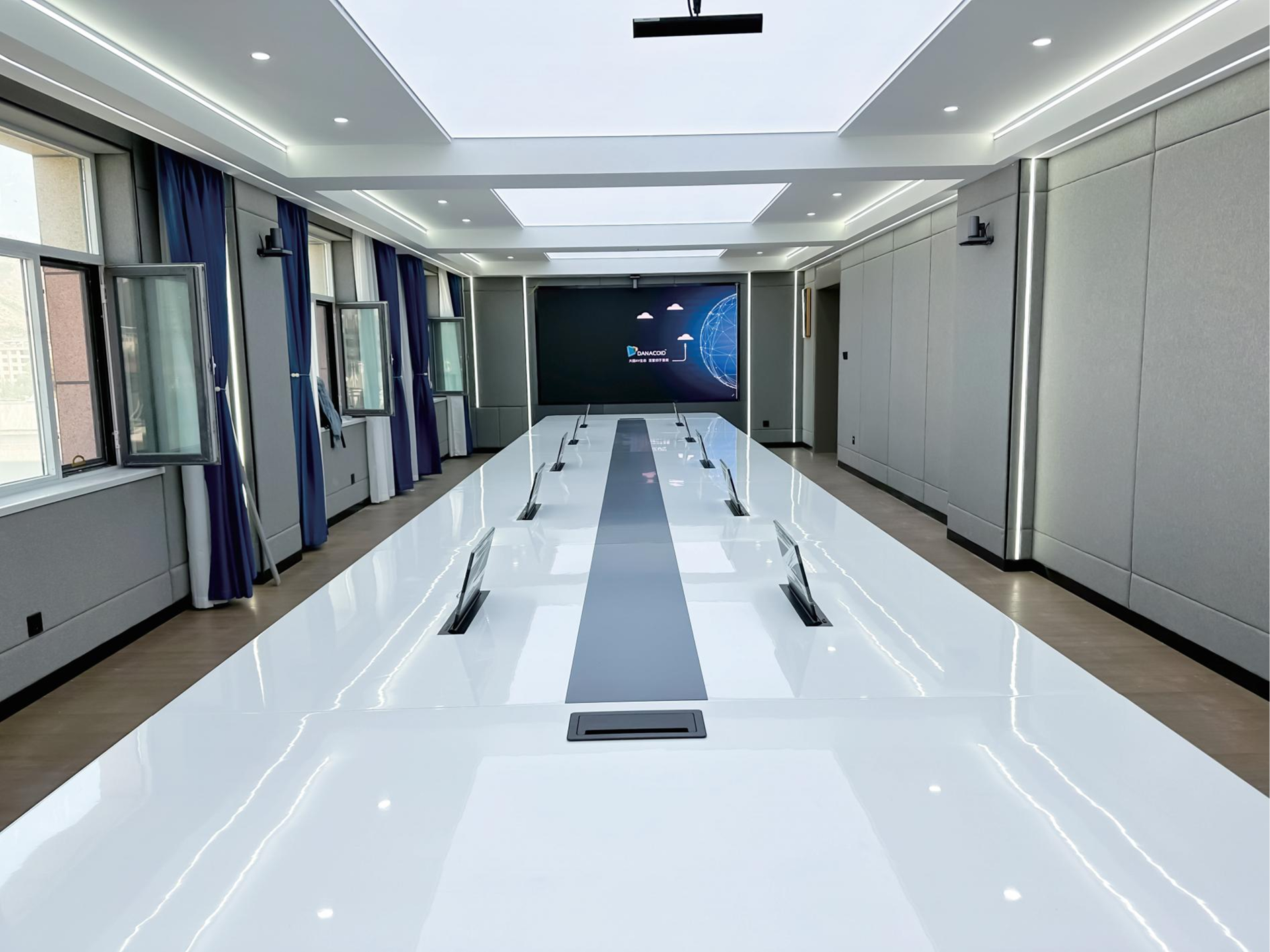
Modern corporate boardrooms and executive conference facilities increasingly rely on fine-pitch LED screens to facilitate effective communication and presentation delivery. These environments demand display solutions that can seamlessly integrate with existing audiovisual systems while providing the image quality necessary for detailed financial data, architectural plans, and multimedia presentations. The technology's ability to scale from small meeting rooms to large auditoriums makes it adaptable to various corporate facility requirements.
Educational institutions have embraced fine-pitch LED screens for lecture halls, distance learning facilities, and interactive classroom environments. The displays' capability to present detailed educational content, live demonstrations, and multimedia materials with exceptional clarity enhances the learning experience while accommodating various seating arrangements and room configurations. Interactive capabilities further extend the technology's educational value by enabling direct manipulation of displayed content.
Training centers and simulation facilities utilize fine-pitch LED screens to create immersive environments that replicate real-world conditions with exceptional fidelity. The displays' color accuracy and detail reproduction capabilities enable realistic simulations for medical training, engineering education, and professional development programs where visual accuracy directly impacts training effectiveness and knowledge transfer.
Installation Considerations and Best Practices
Environmental Factors and Placement
Successful fine-pitch LED screens installation requires careful consideration of environmental factors that can affect display performance and longevity. Temperature control, humidity management, and dust prevention represent critical factors that influence both image quality and system reliability. Professional installation teams must evaluate HVAC systems, air circulation patterns, and potential contamination sources to ensure optimal operating conditions throughout the display's service life.
Lighting design plays a crucial role in maximizing the effectiveness of fine-pitch LED screens installations. Ambient light levels, reflection angles, and color temperature of surrounding illumination must be carefully managed to prevent glare, maintain color accuracy, and ensure comfortable viewing conditions. Advanced installations may incorporate automated lighting control systems that adjust ambient conditions based on display content and usage patterns.
Structural considerations for fine-pitch LED screens installations extend beyond simple weight calculations to include vibration isolation, thermal expansion accommodation, and maintenance access planning. The precision required for fine-pitch displays means that even minor structural movement can affect image alignment and overall system performance. Professional installation teams must address these factors during the planning phase to ensure long-term reliability and optimal visual performance.
Maintenance and Longevity Optimization
Preventive maintenance strategies for fine-pitch LED screens focus on preserving image quality and extending system lifespan through systematic care and monitoring. Regular cleaning procedures, calibration checks, and component inspections help maintain optimal performance while identifying potential issues before they affect display operation. Professional maintenance programs typically include scheduled visits, remote monitoring capabilities, and rapid response protocols for addressing any performance concerns.
Calibration procedures for fine-pitch LED screens require specialized equipment and expertise to maintain color accuracy, brightness uniformity, and geometric precision across entire display surfaces. These procedures may need to be performed periodically to compensate for normal LED aging processes and environmental factors that can affect display characteristics over time. Advanced systems incorporate automatic calibration features that continuously optimize performance without requiring manual intervention.
Component accessibility and serviceability considerations become particularly important for fine-pitch LED screens due to their precision construction and integration complexity. Installation designs must accommodate future maintenance requirements while maintaining the aesthetic and functional objectives of the original installation. This forward-thinking approach ensures that routine maintenance and potential repairs can be completed efficiently without disrupting facility operations.
Comparing Fine-Pitch LED Screens to Alternative Display Technologies
Advantages Over Traditional Projection Systems
Fine-pitch LED screens offer significant advantages over traditional projection systems in terms of image brightness, contrast ratios, and ambient light tolerance. While projectors struggle to maintain image quality in well-lit environments, LED displays deliver consistent performance regardless of surrounding lighting conditions. This capability eliminates the need for room darkening and allows for more flexible facility usage patterns that accommodate both display-focused activities and normal workspace operations.
Maintenance requirements for fine-pitch LED screens prove significantly lower than projection systems due to the absence of consumable components such as lamps, filters, and projection lenses. LED technology provides operational lifespans measured in decades rather than the thousands of hours typical of projection lamps, resulting in lower total cost of ownership and reduced operational disruptions for lamp replacements and system maintenance.
Image geometry and scaling flexibility of fine-pitch LED screens surpass projection capabilities by eliminating keystoning issues, focus variations, and the geometric constraints imposed by projection angles and distances. LED displays can be configured in virtually any size or aspect ratio while maintaining perfect image geometry and focus uniformity across the entire display surface.
Benefits Compared to LCD Video Walls
The seamless nature of fine-pitch LED screens eliminates the bezels that interrupt image continuity in LCD video wall installations. While LCD panels have become thinner over time, even the narrowest bezels create visible interruptions that can affect content readability and aesthetic appeal. LED technology creates truly continuous display surfaces that enable seamless presentation of maps, diagrams, and other content types where interruptions would compromise functionality.
Color uniformity across large display surfaces represents another area where fine-pitch LED screens excel compared to LCD alternatives. Individual LCD panels may exhibit slight variations in color temperature, brightness, and contrast ratios that become apparent when multiple units are arranged in video wall configurations. LED displays provide consistent color reproduction across entire surfaces through advanced calibration and LED binning processes.
Viewing angle consistency of fine-pitch LED screens maintains image quality and color accuracy across much wider angles than LCD technology can achieve. This characteristic proves particularly valuable in environments where viewers approach displays from various positions or where display surfaces must accommodate audiences distributed across wide areas.
Future Developments and Technological Trends
Emerging LED Technologies and Innovations
The evolution of fine-pitch LED screens continues with developments in micro-LED and COB (Chip-on-Board) technologies that promise even smaller pixel pitches and improved manufacturing efficiency. These advances will enable displays with pixel pitches below 0.5mm while reducing production costs and improving reliability. Micro-LED technology particularly shows promise for creating displays that rival the pixel density of high-end monitors while maintaining the scalability and brightness advantages of LED technology.
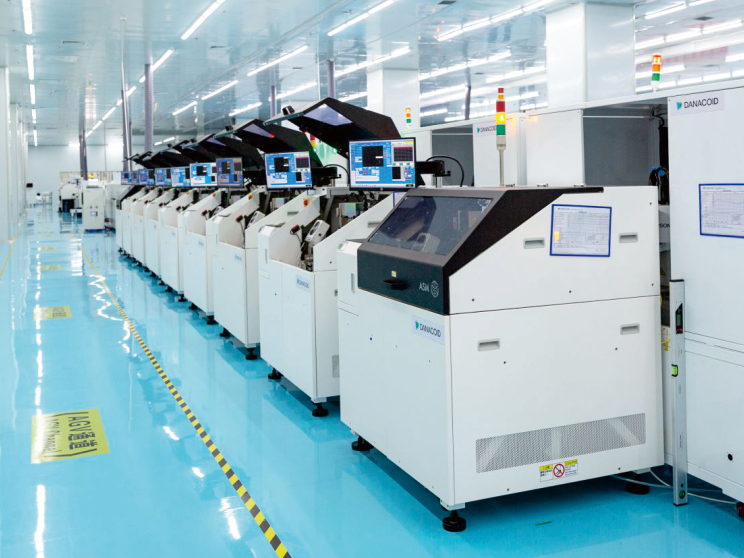
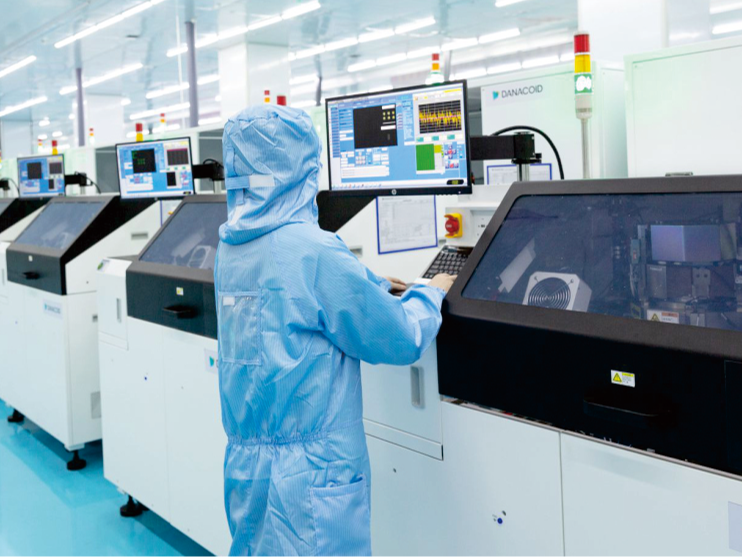
Manufacturing innovations in LED packaging and assembly processes continue to drive improvements in fine-pitch LED screens quality and cost-effectiveness. Advanced automation techniques, precision placement equipment, and improved quality control systems enable manufacturers to produce displays with greater consistency and reliability while reducing production costs that benefit end users through more competitive pricing.
Integration technologies for fine-pitch LED screens are evolving to simplify installation processes and improve system reliability. Advances in connector design, cable management, and modular construction enable faster installations with reduced complexity while maintaining the precision requirements essential for optimal image quality. These improvements make fine-pitch LED technology more accessible for a broader range of applications and facility types.
Smart Features and Connectivity Enhancements
Intelligent monitoring and diagnostic capabilities are becoming standard features in fine-pitch LED screens, enabling proactive maintenance and performance optimization. These systems can monitor individual LED elements, detect potential failures before they affect image quality, and provide detailed performance analytics that help facility managers optimize display utilization and maintenance schedules.
Network integration and remote management capabilities for fine-pitch LED screens continue to evolve with enhanced security features, cloud-based monitoring options, and integration with broader facility management systems. These capabilities enable centralized control of multiple displays across different locations while providing the monitoring and control granularity necessary for mission-critical applications.
Content management and processing innovations for fine-pitch LED screens include enhanced scaling algorithms, real-time color optimization, and artificial intelligence features that automatically adjust display parameters based on content type and viewing conditions. These smart features help maximize display effectiveness while reducing the technical expertise required for optimal system operation.
FAQ
What is the optimal viewing distance for fine-pitch LED screens
The optimal viewing distance for fine-pitch LED screens depends on the specific pixel pitch, but generally ranges from 1 to 3 meters for most applications. A good rule of thumb is that the minimum comfortable viewing distance equals the pixel pitch in millimeters converted to meters. For example, a 1.2mm pixel pitch display can be viewed comfortably from 1.2 meters away, while still providing excellent image quality at much greater distances.
How do fine-pitch LED screens perform in bright ambient light conditions
Fine-pitch LED screens excel in bright ambient light conditions due to their high brightness output capabilities, typically ranging from 600 to 1200 nits or higher. This brightness level ensures that content remains clearly visible even in well-lit offices, retail environments, or spaces with significant natural lighting. The displays maintain excellent contrast ratios and color accuracy regardless of surrounding light levels, unlike projection systems that require darkened environments for optimal performance.
What maintenance requirements should be expected for fine-pitch LED screens
Fine-pitch LED screens require minimal routine maintenance compared to other display technologies. Regular cleaning to remove dust and debris, periodic calibration to maintain color accuracy, and occasional inspection of connections and components comprise the primary maintenance activities. Most systems include built-in diagnostics that monitor performance and alert operators to any potential issues. Professional maintenance visits are typically recommended annually or bi-annually depending on the operating environment and usage intensity.
Can fine-pitch LED screens be used for interactive applications
Yes, fine-pitch LED screens can be equipped with touch-sensing capabilities or used in conjunction with interactive technologies such as gesture recognition systems and touch overlay panels. The high resolution and close viewing distance capabilities of these displays make them ideal for interactive applications where users need to manipulate detailed content or navigate complex interfaces. Interactive fine-pitch LED displays are increasingly popular in educational settings, corporate environments, and public information systems.
Table of Contents
- Understanding the Technical Advantages of Fine-Pitch LED Technology
- Applications and Industries Benefiting from Fine-Pitch LED Displays
- Installation Considerations and Best Practices
- Comparing Fine-Pitch LED Screens to Alternative Display Technologies
- Future Developments and Technological Trends
- FAQ