
 EN
EN
The evolution of display technology has reached unprecedented levels of precision with the introduction of fine-pitch LED screens. These advanced display solutions offer pixel pitches smaller than 2.5mm, delivering exceptional image quality and visual clarity that was once unimaginable. As businesses across various industries seek to enhance their visual communication strategies, understanding the nuances between different fine-pitch LED screen configurations becomes crucial for making informed purchasing decisions. Whether you're considering P1.2, P1.5, or P1.8 specifications, each option presents unique advantages and considerations that can significantly impact your display performance and investment return.

Understanding Fine-Pitch LED Screen Technology
What Makes Fine-Pitch LEDs Special
Fine-pitch LED screens represent the pinnacle of modern display technology, characterized by their incredibly small pixel pitch measurements. The term "pitch" refers to the distance between the centers of adjacent LED pixels, measured in millimeters. A fine-pitch LED screen typically features pixel pitches ranging from 0.7mm to 2.5mm, with smaller numbers indicating higher pixel density and superior image resolution. This advanced technology enables viewers to stand much closer to the display without experiencing pixelation, making these screens ideal for applications requiring detailed visual content and close-proximity viewing.
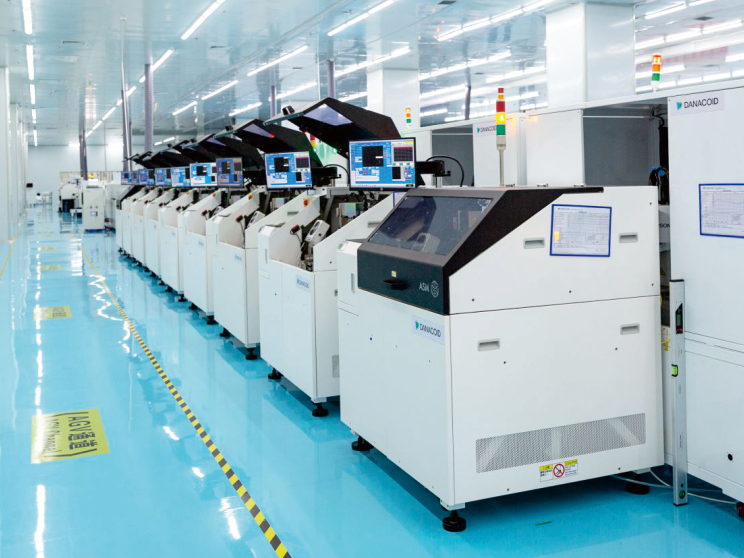
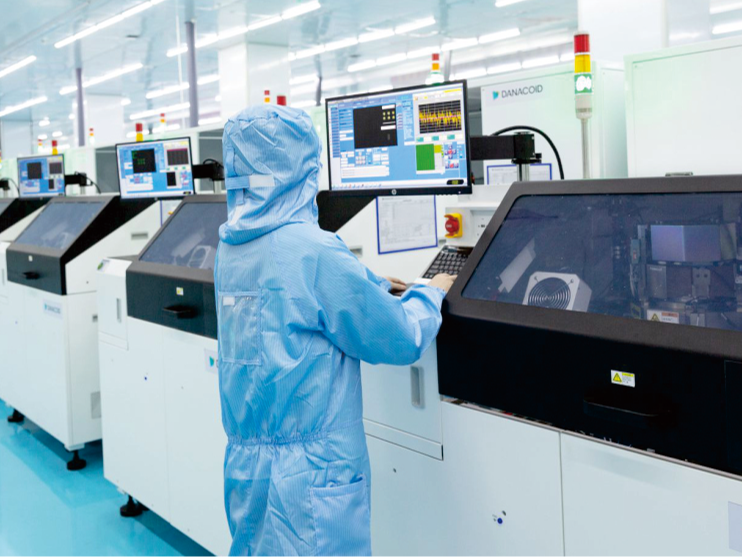
The manufacturing process of fine-pitch LED screens involves sophisticated surface-mount technology (SMT) and precise placement of microscopic LED chips. Each LED module contains thousands of individual light-emitting diodes that work together to create seamless images with remarkable color accuracy and brightness uniformity. The integration of advanced driver circuits and sophisticated control systems ensures optimal performance across all operating conditions while maintaining energy efficiency.
Technical Specifications and Performance Metrics
When evaluating fine-pitch LED screen options, several key technical specifications determine overall performance and suitability for specific applications. Resolution density, measured in pixels per square meter, directly correlates with the pixel pitch value. Smaller pitch values result in higher pixel density, which translates to sharper images and better detail reproduction. Additionally, viewing distance calculations become critical when selecting the appropriate fine-pitch LED screen configuration for your intended application.
Brightness levels typically range from 600 to 1200 nits for indoor fine-pitch LED screens, providing adequate visibility under various ambient lighting conditions. Color reproduction capabilities are measured using industry-standard metrics such as NTSC and sRGB color space coverage, with premium fine-pitch LED screens achieving over 100% NTSC color gamut coverage. Refresh rates exceeding 1920Hz ensure smooth motion reproduction without flickering or artifacts during video playback.
P1.2 Fine-Pitch LED Screens: Maximum Precision
Exceptional Image Quality and Detail
P1.2 fine-pitch LED screens represent the most advanced option in terms of pixel density and image quality. With a pixel pitch of just 1.2mm, these displays offer approximately 694,444 pixels per square meter, delivering unprecedented detail reproduction and visual clarity. This configuration excels in applications where viewers will be positioned very close to the screen, typically within 2-3 meters, without experiencing any visible pixelation or image degradation.
The superior resolution capabilities of P1.2 fine-pitch LED screens make them particularly suitable for high-end control rooms, broadcast studios, luxury retail environments, and executive boardrooms where image quality cannot be compromised. These displays can reproduce fine text, detailed graphics, and complex imagery with remarkable precision, ensuring that every visual element appears crisp and professional.
Investment Considerations and ROI
While P1.2 fine-pitch LED screens offer the highest image quality, they also represent the most significant financial investment among the three options discussed. The manufacturing complexity and precision required to achieve such small pixel pitches results in higher production costs, which are reflected in the purchase price. However, for applications where image quality is paramount and budget constraints are less restrictive, the investment can provide substantial returns through enhanced visual impact and professional presentation capabilities.
Long-term operational costs should also be considered when evaluating P1.2 fine-pitch LED screens. These displays typically consume more power per square meter compared to larger pitch configurations due to the increased number of LED components. Additionally, maintenance requirements may be more stringent due to the precision components and advanced control systems required to operate these sophisticated displays effectively.
P1.5 Fine-Pitch LED Screens: Balanced Performance
Optimal Cost-Performance Ratio
P1.5 fine-pitch LED screens strike an excellent balance between image quality and cost-effectiveness, making them one of the most popular choices in the fine-pitch LED screen market. With a pixel pitch of 1.5mm, these displays provide approximately 444,444 pixels per square meter, delivering exceptional visual performance while maintaining reasonable pricing for most commercial applications. The optimal viewing distance for P1.5 configurations ranges from 3-5 meters, making them suitable for medium-sized conference rooms, retail displays, and corporate lobbies.
The versatility of P1.5 fine-pitch LED screens makes them adaptable to various installation environments and viewing scenarios. They provide sufficient detail reproduction for most business applications while offering more flexibility in terms of installation requirements and operational costs. This configuration represents the sweet spot for organizations seeking high-quality display performance without the premium pricing associated with ultra-fine pitch options.
Application Versatility and Installation Flexibility
P1.5 fine-pitch LED screens offer exceptional versatility across multiple application scenarios, from corporate environments to retail spaces and educational institutions. The moderate pixel pitch provides excellent image quality for presentations, digital signage, and interactive displays while maintaining practical installation requirements. These screens can effectively display detailed content, including financial data, architectural drawings, and high-resolution imagery, without requiring viewers to maintain extremely close proximity.
Installation flexibility is another significant advantage of P1.5 fine-pitch LED screens. The less stringent precision requirements compared to P1.2 configurations result in simplified mounting procedures and reduced installation complexity. This translates to lower installation costs and shorter deployment timelines, making P1.5 screens an attractive option for projects with tight schedules or budget constraints.
P1.8 Fine-Pitch LED Screens: Cost-Effective Excellence
Entry-Level Fine-Pitch Performance
P1.8 fine-pitch LED screens provide an accessible entry point into fine-pitch display technology while maintaining impressive visual performance standards. With a pixel pitch of 1.8mm, these displays offer approximately 308,642 pixels per square meter, delivering clear and detailed imagery suitable for viewing distances of 4-7 meters. This configuration represents an excellent choice for organizations transitioning from traditional display technologies to fine-pitch LED screens without requiring the highest resolution specifications.
The cost-effectiveness of P1.8 fine-pitch LED screens makes them particularly attractive for budget-conscious projects that still require superior image quality compared to conventional display solutions. These screens can effectively handle most business applications, including presentations, digital signage, and information displays, while providing the benefits of LED technology such as long lifespan, energy efficiency, and excellent color reproduction.
Market Positioning and Value Proposition
P1.8 fine-pitch LED screens occupy a strategic position in the display market, offering a compelling value proposition for organizations seeking to upgrade their visual communication capabilities. The reduced manufacturing complexity compared to finer pitch options results in lower production costs and more competitive pricing, making these displays accessible to a broader range of customers and applications.
Despite being the most affordable option among fine-pitch LED screens, P1.8 configurations still deliver significantly superior performance compared to traditional projection systems or LCD video walls. The seamless image quality, wide viewing angles, and excellent color reproduction capabilities provide substantial improvements in visual impact and professional presentation quality. This makes P1.8 fine-pitch LED screens an ideal choice for organizations looking to maximize their display investment while maintaining reasonable budget parameters.
Choosing the Right Configuration for Your Needs
Application-Specific Selection Criteria
Selecting the appropriate fine-pitch LED screen configuration requires careful consideration of your specific application requirements, viewing environment, and performance expectations. The intended viewing distance plays a crucial role in determining which pixel pitch will provide optimal visual experience. For close-proximity applications such as control rooms or executive boardrooms where viewers will be positioned within 2-3 meters, P1.2 fine-pitch LED screens offer the best visual performance and detail reproduction.
Medium-distance viewing scenarios, typically found in conference rooms, retail environments, or corporate lobbies with viewing distances of 3-6 meters, are well-served by P1.5 fine-pitch LED screens. These configurations provide excellent image quality while offering better cost-effectiveness and installation flexibility. For larger spaces or applications where viewers will be positioned beyond 5 meters, P1.8 fine-pitch LED screens deliver adequate visual performance at the most competitive pricing.
Budget and ROI Considerations
Financial considerations play a significant role in fine-pitch LED screen selection, with initial purchase price being just one component of the total cost of ownership. P1.2 configurations require the highest initial investment but provide the ultimate visual experience for critical applications. P1.5 fine-pitch LED screens offer the best balance between performance and cost, making them suitable for most commercial applications where high image quality is important but budget optimization is also a priority.
Long-term operational costs, including energy consumption, maintenance requirements, and potential upgrade needs, should be factored into the selection process. P1.8 fine-pitch LED screens typically offer the lowest total cost of ownership while still providing significant improvements over traditional display technologies. The return on investment for any fine-pitch LED screen configuration depends on factors such as increased visual impact, improved communication effectiveness, and enhanced professional image.
Installation and Maintenance Considerations
Technical Requirements and Infrastructure
The installation of fine-pitch LED screens requires careful planning and consideration of various technical factors that can impact system performance and reliability. Structural support requirements vary depending on the chosen configuration, with finer pitch screens typically requiring more precise mounting systems to ensure optimal alignment and image quality. The supporting structure must provide adequate weight capacity and minimize vibration that could affect display performance.
Environmental conditions play a crucial role in fine-pitch LED screen performance and longevity. Proper ventilation and climate control systems are essential to maintain optimal operating temperatures and prevent moisture-related issues. The installation environment should be designed to minimize dust accumulation, which can affect LED performance and require more frequent maintenance interventions. Additionally, appropriate lighting design helps optimize viewing conditions and prevents ambient light from compromising image quality.
Ongoing Maintenance and Support
Maintenance requirements for fine-pitch LED screens vary depending on the specific configuration and operating environment. P1.2 fine-pitch LED screens typically require the most stringent maintenance protocols due to their precision components and advanced control systems. Regular calibration procedures ensure color accuracy and brightness uniformity across the entire display surface, while proactive component monitoring helps prevent potential failures before they impact system performance.
P1.5 and P1.8 fine-pitch LED screens generally have more relaxed maintenance requirements while still benefiting from regular inspection and cleaning procedures. Establishing a comprehensive maintenance schedule with qualified service providers helps ensure optimal performance and maximum system lifespan. This includes regular cleaning of LED surfaces, verification of control system operation, and replacement of any degraded components before they affect overall display quality.
FAQ
What is the minimum viewing distance for each fine-pitch LED screen type
The minimum viewing distance varies by pixel pitch configuration. P1.2 fine-pitch LED screens can be viewed comfortably from as close as 2 meters, making them ideal for close-proximity applications. P1.5 screens are optimal when viewed from 3 meters or greater, while P1.8 configurations work best with viewing distances of 4 meters or more. These guidelines help prevent pixelation visibility and ensure optimal visual experience.
How do fine-pitch LED screens compare to traditional display technologies in terms of energy consumption
Fine-pitch LED screens are generally more energy-efficient than traditional projection systems and comparable to modern LCD displays. P1.8 configurations typically consume the least power per square meter, while P1.2 screens require more energy due to higher LED density. However, all fine-pitch LED screen options offer significantly longer lifespan and lower maintenance energy costs compared to projection-based systems, resulting in better long-term energy efficiency.
What factors affect the lifespan of fine-pitch LED screens
The lifespan of fine-pitch LED screens depends on several key factors including operating temperature, ambient humidity, usage patterns, and maintenance quality. Proper climate control and regular maintenance can extend system life to 10-15 years or more. Higher pixel density configurations like P1.2 may require more frequent calibration but don't necessarily have shorter lifespans when properly maintained. Environmental factors such as dust, moisture, and temperature fluctuations have the greatest impact on long-term reliability.
Can fine-pitch LED screens be used for outdoor applications
Fine-pitch LED screens are primarily designed for indoor applications due to their delicate construction and environmental sensitivity. While some manufacturers offer weatherized versions, the extremely small pixel pitches make outdoor deployment challenging and expensive. For outdoor applications, larger pitch LED displays (P3.0 or higher) are typically more practical and cost-effective while still providing excellent visibility and weather resistance for external environments.