
 EN
EN

The debate between high refresh rate displays and standard refresh rate screens has become increasingly relevant as technology advances and consumer expectations evolve. Understanding the fundamental differences between these display technologies can help businesses and individuals make informed decisions about their visual display investments. The choice between high refresh rate and standard refresh rate screens impacts everything from user experience to productivity, particularly in professional environments where visual clarity and smooth motion are crucial.
Modern display technology has revolutionized how we interact with digital content, creating new possibilities for enhanced visual experiences. The transition from traditional refresh rates to higher frequencies represents a significant technological advancement that affects various aspects of display performance. As organizations evaluate their display infrastructure, the question of whether to invest in high refresh rate technology becomes increasingly important for maintaining competitive advantages and ensuring optimal user satisfaction.
Understanding Refresh Rate Technology
Technical Fundamentals of Display Refresh Rates
Refresh rate refers to the number of times per second that a display updates its image, measured in hertz. Standard refresh rate displays typically operate at 60Hz, meaning the screen refreshes sixty times per second. This frequency has been the industry standard for decades and provides acceptable performance for most basic computing tasks and general content consumption. The refresh cycle involves the display panel redrawing the entire image repeatedly to create the illusion of continuous motion.
High refresh rate displays operate at frequencies significantly above the standard 60Hz, commonly featuring 120Hz, 144Hz, 240Hz, or even higher refresh rates. These elevated frequencies result in smoother motion rendering, reduced motion blur, and improved visual clarity during dynamic content display. The increased refresh frequency allows for more frequent image updates, creating a more responsive and fluid visual experience that can be particularly beneficial in professional applications.
The Science Behind Smooth Motion Rendering
The human eye's perception of motion is closely linked to the frequency at which images are presented. While the eye doesn't perceive discrete refresh cycles, it can detect differences in motion smoothness and clarity between different refresh rates. Higher refresh rates provide more data points for motion tracking, resulting in reduced perceived stuttering and improved visual continuity during rapid movements or transitions.
Motion blur occurs when objects move across the screen faster than the display can accurately render them at the current refresh rate. A high refresh rate display can significantly reduce this phenomenon by providing more frequent image updates, allowing moving objects to be rendered with greater precision and clarity. This improvement is particularly noticeable in scenarios involving rapid movements, scrolling, or dynamic visual content.
Performance Benefits of High Refresh Rate Displays
Enhanced User Experience and Productivity
The adoption of high refresh rate technology directly impacts user experience through improved visual comfort and reduced eye strain. Users working with high refresh rate displays often report decreased fatigue during extended viewing sessions, attributed to the smoother visual experience and reduced flicker perception. This improvement in comfort can translate to increased productivity and better overall workplace satisfaction.
Professional applications benefit significantly from high refresh rate capabilities, particularly in environments requiring precise visual tracking or rapid information processing. Design professionals, video editors, and content creators find that high refresh rate displays provide more accurate real-time feedback, enabling better decision-making and improved work quality. The enhanced responsiveness also reduces the latency between user input and visual feedback, creating a more intuitive and efficient workflow.
Professional Applications and Industry Benefits
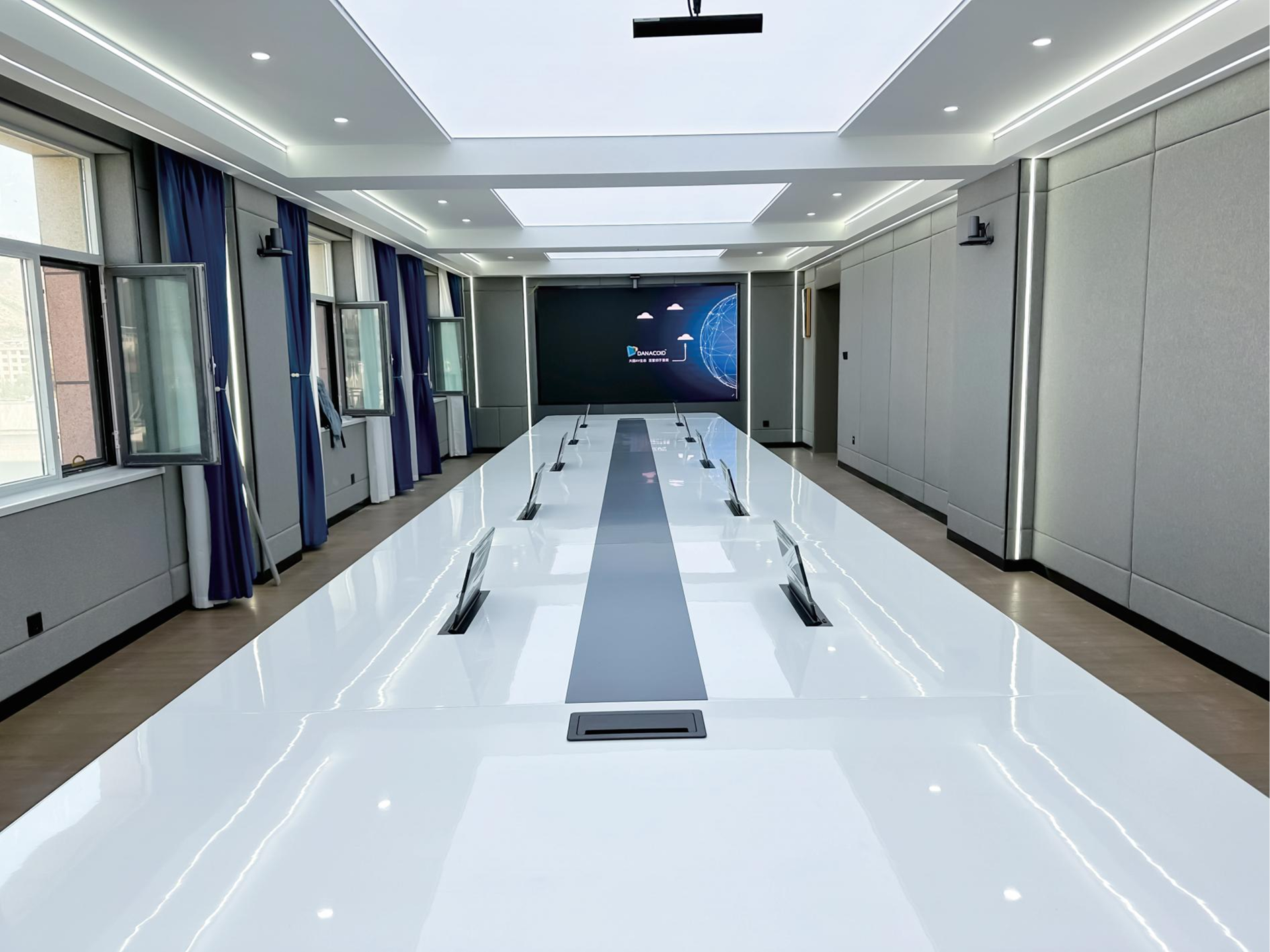
In conference rooms and presentation environments, high refresh rate displays offer superior performance for dynamic content delivery. Presenters can navigate through materials more smoothly, and audiences experience less visual distraction from motion artifacts. This improvement is particularly valuable during interactive presentations where screen sharing, live demonstrations, or real-time collaboration are essential components of the meeting experience.
Educational institutions and training facilities also benefit from high refresh rate technology, as it enhances the delivery of multimedia content and interactive learning materials. Students and trainees can better focus on content without being distracted by visual inconsistencies or motion blur, leading to improved learning outcomes and engagement levels. The technology is especially valuable for technical training programs that rely on detailed visual demonstrations or simulations.
Cost-Benefit Analysis of Display Technology Upgrade
Initial Investment Considerations
The financial investment required for high refresh rate displays typically exceeds that of standard refresh rate alternatives. Organizations must evaluate the upfront costs against the potential benefits and long-term value proposition. Factors influencing the cost-benefit equation include the specific use case requirements, user population size, and expected display lifespan. The premium for high refresh rate technology has decreased over time as manufacturing scales have increased and the technology has matured.
Budget allocation for display upgrades should consider not only the hardware costs but also potential infrastructure requirements such as enhanced graphics capabilities or updated connectivity solutions. Some high refresh rate displays may require specific cable types or graphics card specifications to achieve optimal performance, adding to the total implementation cost. However, these infrastructure improvements often provide additional benefits beyond the immediate display upgrade.
Long-term Value and Return on Investment
The long-term value of high refresh rate displays extends beyond immediate performance improvements to include factors such as user satisfaction, reduced eye strain-related health issues, and improved work efficiency. Organizations that prioritize employee well-being and productivity often find that the investment in superior display technology pays dividends through reduced sick leave, improved work quality, and enhanced employee retention.
Future-proofing considerations also play a role in the investment decision, as high refresh rate technology is increasingly becoming the standard for new applications and content types. Organizations investing in high refresh rate displays position themselves to take advantage of emerging technologies and content formats without requiring additional hardware upgrades. This forward-looking approach can result in lower total cost of ownership over the display lifecycle.
Technical Implementation and Compatibility
Hardware Requirements and System Integration
Successful implementation of high refresh rate displays requires careful consideration of the entire system architecture, from graphics processing capabilities to connectivity infrastructure. Modern high refresh rate displays often demand significant bandwidth for optimal performance, particularly at higher resolutions. DisplayPort and HDMI specifications must be evaluated to ensure compatibility with the desired refresh rate and resolution combinations.
Graphics processing requirements for high refresh rate displays vary depending on the intended use case and content types. Professional applications may require dedicated graphics cards capable of driving high refresh rate displays at native resolutions, while basic office applications may function adequately with integrated graphics solutions. Organizations should assess their current hardware capabilities and plan for any necessary upgrades to fully utilize high refresh rate display benefits.
Optimization Strategies for Maximum Performance
Proper configuration and optimization are essential for realizing the full benefits of high refresh rate technology. Display settings, graphics driver configurations, and application-specific optimizations all contribute to the overall user experience. Many high refresh rate displays include adaptive sync technologies that can further improve performance by eliminating screen tearing and reducing input lag.
Regular maintenance and updates help ensure continued optimal performance from high refresh rate displays. Driver updates, firmware upgrades, and periodic calibration can maintain the display's performance characteristics over time. Organizations should establish maintenance protocols to preserve their investment and ensure consistent user experience across their display infrastructure.
Industry Trends and Future Developments
Market Evolution and Adoption Patterns
The display industry continues to evolve toward higher refresh rates as the default standard, driven by consumer demand and technological capabilities. Manufacturing improvements have made high refresh rate technology more accessible, leading to broader adoption across various market segments. This trend suggests that organizations delaying upgrades may find themselves at a disadvantage as high refresh rate becomes the expected standard.
Emerging applications and content types increasingly benefit from or require high refresh rate capabilities. Virtual reality, augmented reality, and advanced interactive applications perform significantly better with high refresh rate displays, making this technology essential for organizations exploring these innovative technologies. The convergence of multiple technological trends reinforces the value proposition for high refresh rate display investments.
Technological Advancements on the Horizon
Future developments in high refresh rate technology promise even greater performance improvements and broader applicability. Variable refresh rate technologies, improved power efficiency, and enhanced color reproduction capabilities are among the advances expected to further differentiate high refresh rate displays from standard alternatives. These improvements will likely expand the use cases where high refresh rate technology provides clear advantages.
Integration with artificial intelligence and machine learning technologies may enable dynamic optimization of refresh rates based on content type and user behavior. Such smart display systems could automatically adjust performance characteristics to maximize battery life, visual quality, or user comfort depending on the specific application requirements. These advances suggest that high refresh rate technology will become increasingly sophisticated and valuable over time.
FAQ
What is the main difference between high refresh rate and standard refresh rate displays
The primary difference lies in how frequently the display updates its image per second. Standard refresh rate displays typically operate at 60Hz, while high refresh rate displays function at 120Hz, 144Hz, or higher frequencies. This increased frequency results in smoother motion rendering, reduced motion blur, and improved visual clarity, particularly during dynamic content display or rapid movements across the screen.
Do high refresh rate displays consume more power than standard displays
High refresh rate displays generally consume more power than their standard counterparts due to the increased processing required for more frequent image updates. However, many modern high refresh rate displays include adaptive refresh rate technologies that can dynamically adjust the refresh rate based on content requirements, helping to optimize power consumption. The actual power difference varies depending on the specific display technology and usage patterns.
Can all computers support high refresh rate displays effectively
Not all computer systems can fully support high refresh rate displays, particularly at higher resolutions. The graphics processing unit, available system memory, and connectivity interfaces all impact the ability to drive high refresh rate displays effectively. Older systems or those with integrated graphics may require upgrades to take full advantage of high refresh rate capabilities, especially for demanding applications or content types.
Is high refresh rate technology worth the investment for typical office environments
The value of high refresh rate technology in office environments depends on specific use cases and user requirements. For general productivity tasks like document editing and web browsing, the benefits may be subtle but still contribute to reduced eye strain and improved comfort during extended use. However, for presentations, collaborative work, or any application involving motion or dynamic content, high refresh rate displays can provide significant improvements in user experience and professional presentation quality.
Table of Contents
- Understanding Refresh Rate Technology
- Performance Benefits of High Refresh Rate Displays
- Cost-Benefit Analysis of Display Technology Upgrade
- Technical Implementation and Compatibility
- Industry Trends and Future Developments
-
FAQ
- What is the main difference between high refresh rate and standard refresh rate displays
- Do high refresh rate displays consume more power than standard displays
- Can all computers support high refresh rate displays effectively
- Is high refresh rate technology worth the investment for typical office environments