
 EN
EN
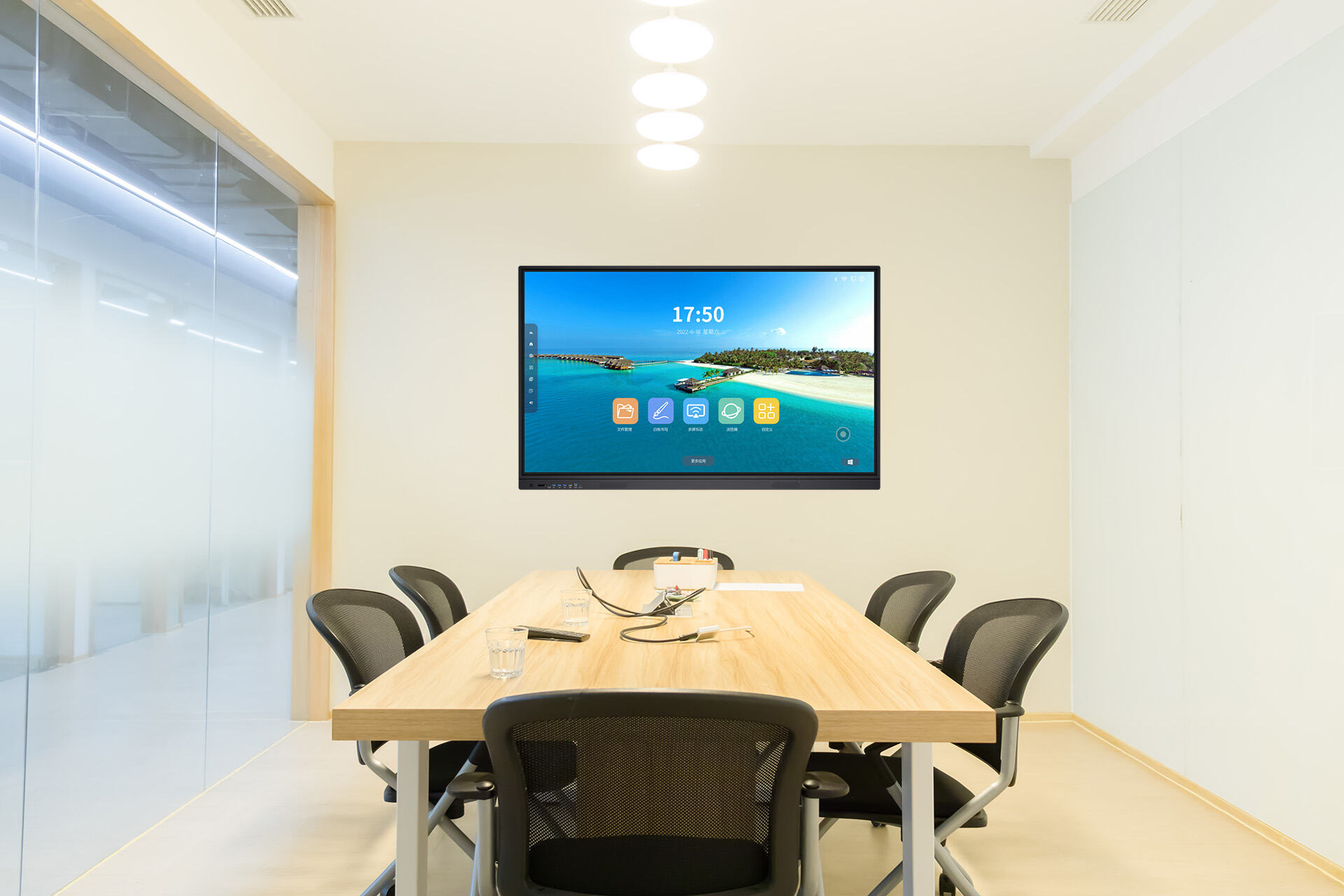
Live sports broadcasting demands exceptional visual quality and seamless motion reproduction to deliver an immersive viewing experience. Modern audiences expect crystal-clear imagery with smooth motion transitions, making high refresh rate LED displays an indispensable component of professional broadcast infrastructure. These advanced display technologies have revolutionized how sports content is captured, processed, and presented to viewers worldwide, ensuring that every crucial moment is rendered with precision and clarity.
The sports broadcasting industry has undergone tremendous technological evolution, with display technology serving as the cornerstone of viewer engagement. Professional broadcasters recognize that substandard display equipment can compromise the entire production value, regardless of camera quality or production expertise. High refresh rate LED displays address critical technical challenges inherent in fast-paced sports coverage, where split-second movements and rapid scene changes demand superior temporal resolution. The investment in premium display technology directly translates to enhanced viewer satisfaction and competitive advantage in the broadcasting marketplace.
Technical Advantages of High Refresh Rate Technology
Motion Blur Elimination
Traditional display technologies struggle with motion blur during rapid camera movements and fast-paced athletic action. High refresh rate LED displays operate at frequencies significantly exceeding standard 60Hz displays, typically ranging from 120Hz to 240Hz or higher. This increased temporal resolution ensures that moving objects maintain sharp definition throughout their trajectory, preventing the ghosting effects that plague conventional displays during sports broadcasts. Professional broadcast engineers consistently report dramatic improvements in image quality when implementing these advanced display systems.
The physics behind motion blur reduction involves the display's ability to update pixel information more frequently, creating smoother transitions between consecutive frames. When broadcasting fast-moving sports like hockey, basketball, or motorsports, the difference becomes immediately apparent to both production crews and viewers. High refresh rate LED displays capture and reproduce every nuance of athletic performance, from the rotation of a basketball to the precise trajectory of a soccer ball, ensuring that crucial game moments are presented with uncompromising clarity.
Reduced Input Lag Performance
Input lag represents a critical performance metric in live sports broadcasting, directly affecting the synchronization between video sources and display output. High refresh rate LED displays typically feature significantly reduced input lag compared to conventional display technologies, ensuring that live footage appears on screen with minimal delay. This characteristic proves essential during live broadcasts where timing precision affects viewer experience and production workflow efficiency. Broadcast professionals depend on real-time visual feedback to make critical production decisions during live events.
The reduced latency characteristics of high refresh rate LED displays enable more responsive production environments, where directors and technical staff can monitor live feeds with confidence in timing accuracy. This technological advantage becomes particularly valuable during multi-camera productions where synchronization between various video sources must be maintained throughout the broadcast duration. Professional broadcasting facilities invest in these display systems specifically to eliminate timing discrepancies that could compromise production quality or viewer satisfaction.
Enhanced Color Accuracy and Visual Fidelity
Wide Color Gamut Reproduction
Modern high refresh rate LED displays incorporate advanced color reproduction technologies that deliver significantly expanded color gamuts compared to traditional broadcast monitors. These displays typically support industry-standard color spaces such as Rec. 709, DCI-P3, and Rec. 2020, ensuring accurate color representation throughout the production pipeline. Sports broadcasting benefits tremendously from precise color reproduction, as team uniforms, field conditions, and environmental lighting must be rendered authentically to maintain viewer engagement and broadcast credibility.
The enhanced color accuracy provided by high refresh rate LED displays enables broadcast professionals to make informed color grading and correction decisions during live production. Sports venues often feature complex lighting scenarios, from natural daylight to artificial stadium illumination, creating challenging color reproduction requirements. Advanced LED display technology addresses these challenges through sophisticated color processing algorithms and high-quality LED backlighting systems that maintain color consistency across varying content types and lighting conditions.
Dynamic Range Optimization
High dynamic range (HDR) capability represents another significant advantage of modern high refresh rate LED displays in sports broadcasting applications. These displays can reproduce a much wider range of brightness levels, from deep shadows to brilliant highlights, ensuring that sports content maintains visual impact regardless of venue lighting conditions. Stadium environments frequently present extreme contrast scenarios, where bright playing surfaces contrast sharply with darker spectator areas or shadowed regions of the field.
Professional high refresh rate LED displays equipped with HDR processing capabilities enable broadcast teams to capture and reproduce the full visual spectrum of sports events. This technology ensures that viewers can distinguish details in both bright and dark areas of the broadcast image simultaneously, enhancing the overall viewing experience and providing a more accurate representation of the actual event atmosphere. The improved dynamic range also facilitates better visual separation between players, equipment, and background elements during fast-paced action sequences.
Professional Broadcasting Applications
Studio Production Environments
Television studios dedicated to sports broadcasting rely heavily on high refresh rate LED displays for various production applications, from main program monitors to preview displays and graphics workstations. These displays serve as the primary visual reference for directors, producers, and technical staff throughout live broadcast production. The superior image quality and motion handling characteristics ensure that production decisions are based on accurate visual information, directly impacting the final broadcast quality delivered to viewers.
Studio applications particularly benefit from the consistent performance characteristics of high refresh rate LED displays across extended operational periods. Sports broadcasts often involve marathon production sessions, especially during tournament coverage or special sporting events. The reliability and color stability of professional LED displays ensure that visual standards remain consistent throughout extended broadcast periods, preventing color drift or performance degradation that could compromise production quality during critical broadcast moments.
Outside Broadcast Operations
Mobile broadcast units and outside broadcast operations present unique challenges that high refresh rate LED displays address effectively. These displays must perform reliably in varying environmental conditions while maintaining consistent image quality standards. The robust construction and advanced thermal management systems incorporated in professional LED displays enable reliable operation in outdoor venues, temporary installations, and challenging environmental conditions common in sports broadcasting.
Field production requirements often demand displays that can operate effectively under bright ambient lighting conditions while maintaining visible contrast and color accuracy. High refresh rate LED displays typically feature enhanced brightness capabilities and anti-reflective coatings that ensure optimal visibility even in challenging outdoor environments. This capability proves essential during daytime sporting events where ambient lighting can overwhelm lesser display technologies, potentially compromising production efficiency and broadcast quality.
Technical Specifications and Performance Metrics
Refresh Rate Standards
Professional broadcast applications typically require high refresh rate LED displays operating at frequencies ranging from 120Hz to 240Hz, with some specialized applications demanding even higher refresh rates. The selection of appropriate refresh rate specifications depends on specific broadcast requirements, content types, and budget considerations. Higher refresh rates provide superior motion handling capabilities but may require more sophisticated signal processing equipment and higher bandwidth connections to achieve optimal performance.
Understanding refresh rate specifications involves recognizing the relationship between display refresh frequency and source content frame rates. Sports broadcasting often involves multiple frame rate standards, from traditional 24fps cinema content to high-speed 120fps slow-motion footage. High refresh rate LED displays must accommodate this variety while maintaining optimal visual quality across all frame rate scenarios. Professional displays typically incorporate advanced frame rate conversion technologies that ensure smooth playback regardless of source content specifications.
Resolution and Pixel Density Considerations
Modern sports broadcasting demands high resolution capabilities, with many facilities transitioning to 4K and beyond for future-proofing considerations. High refresh rate LED displays must balance resolution requirements with refresh rate performance, as higher resolutions can impact maximum achievable refresh rates due to bandwidth limitations. Professional broadcast displays typically offer multiple resolution options while maintaining high refresh rate capabilities across supported resolution standards.
Pixel density specifications affect viewing distance requirements and overall display size considerations in broadcast environments. Sports broadcasting facilities must consider optimal viewing distances for various personnel while ensuring that display resolution provides adequate detail for critical production tasks. High refresh rate LED displays offer flexible installation options that accommodate various broadcast facility layouts while maintaining optimal visual performance for different viewing positions and applications.
Installation and Integration Considerations
Power and Cooling Requirements
Professional high refresh rate LED displays typically require significant electrical power and sophisticated cooling systems to maintain optimal performance during extended operation periods. Broadcasting facilities must account for these infrastructure requirements during installation planning, ensuring adequate electrical capacity and environmental control systems. Proper thermal management directly affects display longevity and performance consistency, making cooling considerations critical for long-term operational success.
Installation planning should incorporate redundant power systems and backup cooling capabilities to ensure continuous operation during critical broadcast events. Sports broadcasting often involves high-stakes live events where equipment failure can have significant consequences. Professional installations typically include monitoring systems that track display performance metrics and environmental conditions, enabling proactive maintenance and preventing potential failures during important broadcast productions.
Signal Integration and Compatibility
Integrating high refresh rate LED displays into existing broadcast infrastructure requires careful consideration of signal formats, connection types, and compatibility requirements. These displays must interface seamlessly with various broadcast equipment, including cameras, switchers, routers, and graphics systems. Professional installations typically involve comprehensive testing protocols to ensure optimal signal quality and compatibility across all connected equipment and signal paths.
Modern broadcast facilities often utilize multiple signal formats simultaneously, requiring displays that support various input standards and conversion capabilities. High refresh rate LED displays must accommodate legacy equipment while providing pathways for future technology adoption. Professional integration services typically include training for technical staff and comprehensive documentation to ensure optimal long-term operational success and equipment utilization efficiency.
Cost-Benefit Analysis for Broadcasting Facilities
Return on Investment Calculations
Investing in high refresh rate LED displays requires careful financial analysis that considers both immediate costs and long-term operational benefits. Professional broadcasting facilities must evaluate the impact of improved display technology on production efficiency, viewer satisfaction, and competitive positioning within the broadcasting marketplace. The enhanced visual quality provided by these displays can directly influence advertising rates, viewer retention, and overall broadcast revenue generation.
Long-term cost considerations include reduced maintenance requirements, extended operational lifespan, and energy efficiency improvements compared to alternative display technologies. High refresh rate LED displays typically offer superior reliability and consistency compared to conventional broadcast monitors, potentially reducing operational costs and minimizing production disruptions due to equipment failures. Professional facilities often realize significant cost savings through improved operational efficiency and reduced equipment replacement frequencies.
Competitive Advantage Assessment
Broadcasting facilities that invest in advanced display technology gain significant competitive advantages in attracting premium sports content and maintaining viewer engagement. High refresh rate LED displays enable superior production quality that differentiates broadcast output from competitors using conventional display technology. This differentiation becomes increasingly important as viewer expectations continue to rise and competition for sports broadcasting rights intensifies throughout the industry.
Market positioning benefits include enhanced reputation for technical excellence, improved relationships with sports organizations, and increased opportunities for premium broadcast contracts. Professional facilities with superior display infrastructure often become preferred partners for major sporting events, tournaments, and special productions. The investment in high refresh rate LED displays represents a strategic decision that impacts long-term business success and market positioning within the competitive broadcasting landscape.
FAQ
What refresh rate specifications are optimal for sports broadcasting applications
Professional sports broadcasting typically benefits from high refresh rate LED displays operating at 120Hz to 240Hz, depending on specific application requirements and budget considerations. Higher refresh rates provide superior motion clarity for fast-paced sports content, while 120Hz represents the minimum recommendation for professional broadcast applications. The optimal specification depends on content types, viewing distances, and integration requirements within existing broadcast infrastructure.
How do high refresh rate LED displays improve live broadcast production workflow
These displays enhance production workflow through reduced input lag, improved motion clarity, and consistent color accuracy that enables more confident production decisions during live broadcasts. Technical staff can monitor multiple video sources with greater precision, while directors benefit from accurate visual feedback that facilitates seamless transitions and camera switching. The improved visual quality also reduces the need for extensive post-production correction, streamlining overall broadcast workflow efficiency.
What are the primary maintenance requirements for professional LED displays in broadcast environments
Professional high refresh rate LED displays require regular cleaning, calibration verification, and thermal management system maintenance to ensure optimal long-term performance. Most professional installations include monitoring systems that track performance metrics and alert technical staff to potential issues before they impact broadcast operations. Preventive maintenance schedules typically involve monthly cleaning, quarterly calibration checks, and annual comprehensive system inspections to maintain optimal operational standards.
Can existing broadcast facilities integrate high refresh rate LED displays without major infrastructure modifications
Most modern broadcast facilities can accommodate high refresh rate LED displays with minimal infrastructure modifications, though power and cooling requirements may need evaluation depending on specific display specifications and installation requirements. Professional integration services typically conduct comprehensive facility assessments to identify any necessary modifications and ensure optimal performance. Many installations utilize existing mounting systems and signal infrastructure while upgrading power distribution and cooling systems as needed for optimal operation.
Table of Contents
- Technical Advantages of High Refresh Rate Technology
- Enhanced Color Accuracy and Visual Fidelity
- Professional Broadcasting Applications
- Technical Specifications and Performance Metrics
- Installation and Integration Considerations
- Cost-Benefit Analysis for Broadcasting Facilities
-
FAQ
- What refresh rate specifications are optimal for sports broadcasting applications
- How do high refresh rate LED displays improve live broadcast production workflow
- What are the primary maintenance requirements for professional LED displays in broadcast environments
- Can existing broadcast facilities integrate high refresh rate LED displays without major infrastructure modifications