 EN
EN
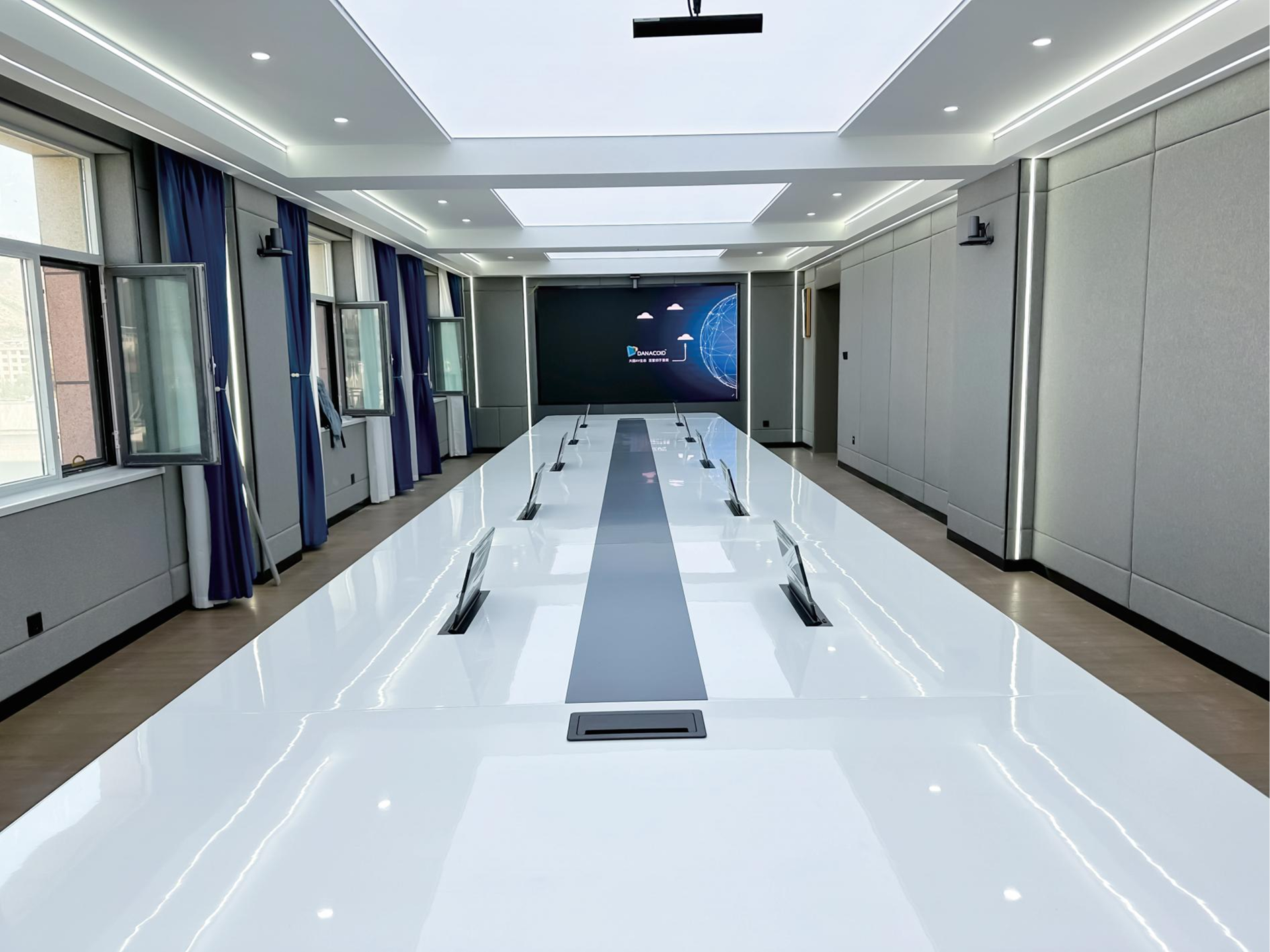
Modern businesses are constantly seeking innovative ways to captivate audiences and deliver impactful messages. An indoor LED display screen represents one of the most powerful digital signage solutions available today, transforming how organizations communicate with customers, employees, and visitors. These versatile displays offer unparalleled brightness, clarity, and flexibility that traditional static signage simply cannot match. Whether you're managing a corporate office, retail store, educational institution, or entertainment venue, implementing creative content strategies for your indoor LED display screen can significantly enhance engagement and drive meaningful results.
The key to maximizing your investment lies in developing compelling content that resonates with your target audience while leveraging the unique capabilities of LED technology. From dynamic visual presentations to interactive elements, the possibilities are virtually limitless when you understand how to harness the full potential of your display system.
Understanding Your Indoor LED Display Screen Capabilities
Technical Specifications and Content Requirements
Before diving into creative content development, understanding the technical specifications of your indoor LED display screen is crucial for optimal performance. Modern LED displays typically support various resolution formats, from standard HD to ultra-high 4K and beyond, each requiring specific content dimensions and file formats. The pixel pitch, which determines the viewing distance and image clarity, directly impacts how you should design visual elements and text sizes for maximum readability.
Color accuracy and brightness levels are additional factors that influence content creation decisions. Most indoor LED display screen systems offer superior color reproduction compared to traditional LCD monitors, allowing for more vibrant and eye-catching visuals. Understanding these capabilities enables you to create content that fully utilizes the display's strengths while avoiding common pitfalls like pixelation or color distortion.
Content Management System Integration
Successful content deployment requires a robust content management system that can handle various media formats and scheduling requirements. Your indoor LED display screen should integrate seamlessly with cloud-based platforms that allow remote content updates, real-time monitoring, and performance analytics. This integration capability enables you to maintain fresh, relevant content without requiring on-site technical support for every update.
Consider the workflow requirements for content approval, especially in corporate environments where multiple stakeholders may need to review materials before publication. A well-designed content management system streamlines this process while maintaining quality control and brand consistency across all displayed materials.
Dynamic Visual Content Strategies
Motion Graphics and Animation Techniques
Motion graphics represent one of the most effective ways to capture attention on an indoor LED display screen, as human eyes naturally gravitate toward movement. Subtle animations like flowing particles, gentle transitions, or morphing shapes can create visual interest without overwhelming viewers. The key is striking the right balance between dynamic movement and information clarity, ensuring that animations enhance rather than distract from your core message.
Professional motion graphics software enables the creation of sophisticated animations that showcase your brand personality while maintaining professional standards. Consider implementing kinetic typography that brings text to life through smooth transitions and engaging visual effects. These techniques work particularly well for highlighting key announcements, promotional offers, or important safety information in high-traffic areas.
Video Content Integration
High-quality video content can transform your indoor LED display screen into a powerful storytelling medium. Corporate testimonials, product demonstrations, behind-the-scenes footage, and educational content all perform exceptionally well on LED displays due to their superior brightness and color accuracy. The large format nature of most LED installations allows for cinematic presentation quality that smaller displays cannot achieve.
When producing video content specifically for LED displays, consider the viewing environment and typical audience dwell time. Shorter, impactful videos often perform better than lengthy presentations, as viewers may only have brief moments to absorb information. Looping capabilities allow for repeated exposure, increasing message retention and brand awareness over time.
Interactive and Engaging Content Formats
Real-Time Data Visualization
Transform your indoor LED display screen into a dynamic information hub by incorporating real-time data feeds. Weather updates, news tickers, stock market information, social media feeds, and company performance metrics can all be displayed in visually appealing formats that keep content fresh and relevant. This approach ensures that your display always provides current, valuable information to viewers.
Data visualization techniques such as charts, graphs, and infographics work particularly well on large LED displays, where complex information can be presented clearly and attractively. Consider implementing countdown timers for special events, live performance indicators for business metrics, or real-time customer feedback displays to create a sense of immediacy and engagement.
Interactive Touch and Gesture Controls
While not all indoor LED display screen installations support touch functionality, those that do offer incredible opportunities for interactive content experiences. Touch-enabled displays can serve as digital directories, product catalogs, educational tools, or entertainment centers that actively engage viewers rather than passively displaying information.
Gesture recognition technology represents the cutting edge of interactive display technology, allowing users to control content through hand movements without physical contact. This touchless interaction method has become increasingly popular in health-conscious environments while providing an impressive technological showcase that demonstrates innovation and forward-thinking approaches.
Industry-Specific Content Applications
Retail and Commercial Environments
Retail locations benefit tremendously from strategic indoor LED display screen implementation, as these installations can significantly influence purchasing decisions and enhance the overall shopping experience. Product showcases, promotional campaigns, seasonal decorations, and brand storytelling content all perform exceptionally well on LED displays due to their ability to create immersive visual experiences.
Dynamic pricing displays, inventory updates, and flash sale announcements can be instantly updated across multiple locations, ensuring consistent messaging and maximizing sales opportunities. The flexibility of LED technology allows retailers to adapt content based on time of day, customer demographics, or special events, creating personalized experiences that drive engagement and loyalty.
Corporate and Educational Settings
Corporate environments utilize indoor LED display screen technology for internal communications, visitor welcome messages, company announcements, and employee recognition programs. These applications require professional, polished content that reflects organizational values while effectively conveying important information to diverse audiences.
Educational institutions leverage LED displays for campus navigation, event announcements, emergency communications, and academic showcases. The ability to quickly update content makes these systems invaluable for communicating time-sensitive information while maintaining visual appeal that engages students, faculty, and visitors.
Content Scheduling and Management Best Practices
Strategic Content Rotation
Effective content management for your indoor LED display screen requires strategic planning to ensure optimal message exposure without viewer fatigue. Implementing rotation schedules that vary content based on time of day, day of week, or seasonal factors helps maintain audience interest while maximizing the impact of different messages.
Content rotation strategies should consider peak traffic times, audience demographics, and message priority levels. High-priority announcements might display more frequently during busy periods, while background content fills quieter times. This approach ensures that your indoor LED display screen remains engaging and relevant throughout different operational periods.
Performance Analytics and Optimization
Modern indoor LED display screen systems often include analytics capabilities that provide valuable insights into content performance and audience engagement. Metrics such as dwell time, interaction rates, and peak viewing periods help optimize content strategies and improve return on investment.
Regular analysis of performance data enables continuous improvement of content quality and relevance. A/B testing different content formats, colors, and messaging approaches provides empirical evidence for what works best with your specific audience, leading to more effective communication strategies over time.
Creative Design Principles for LED Displays
Typography and Readability Considerations
Typography choices significantly impact the effectiveness of content displayed on an indoor LED display screen, as viewing distances and lighting conditions differ from traditional print or web media. Sans-serif fonts typically perform better on LED displays due to their clean, simple letterforms that remain legible at various distances and viewing angles.
Font size calculations must account for the intended viewing distance and the pixel density of your specific display. Text that appears perfectly readable up close may become illegible when viewed from the intended distance. Contrast ratios between text and background colors are crucial for maintaining readability under different ambient lighting conditions.
Color Psychology and Brand Consistency
Color selection for indoor LED display screen content should align with brand guidelines while considering the psychological impact of different hues on viewer behavior and emotional response. Warm colors tend to create energy and urgency, making them effective for promotional content, while cool colors convey professionalism and trust, suitable for corporate communications.
The superior color reproduction capabilities of LED technology allow for more nuanced color schemes than traditional display methods. However, oversaturation can be visually overwhelming, so balance and restraint remain important design principles. Consistent color palettes across different content pieces help reinforce brand identity and create cohesive visual experiences.
FAQ
What file formats work best for indoor LED display screen content?
Most modern indoor LED display screen systems support standard video formats like MP4, AVI, and MOV, as well as image formats including JPEG, PNG, and GIF. For optimal quality, use high-resolution files that match or exceed your display's native resolution. Uncompressed or lightly compressed formats typically provide the best visual quality, though file size considerations may require balancing quality with storage and bandwidth limitations.
How often should I update content on my indoor LED display screen?
Content update frequency depends on your specific use case and audience expectations. High-traffic areas benefit from daily or even hourly updates to maintain viewer interest, while corporate environments might require weekly or monthly refresh cycles. The key is maintaining relevance and preventing content from becoming stale while avoiding update fatigue that could overwhelm your content creation resources.
Can I display live social media feeds on my indoor LED display screen?
Yes, most modern content management systems support real-time social media integration, allowing you to display filtered feeds from platforms like Twitter, Instagram, and Facebook. However, implement appropriate content moderation and filtering to ensure displayed content aligns with your brand values and organizational policies. Hashtag campaigns and user-generated content can create engaging experiences while building community around your brand.
What are the power consumption considerations for continuous indoor LED display screen operation?
Modern indoor LED display screen technology is significantly more energy-efficient than older display technologies, but power consumption still varies based on screen size, brightness settings, and content type. White and light-colored content typically requires more power than darker images. Many systems include automatic brightness adjustment features that optimize power consumption while maintaining optimal visibility throughout different ambient lighting conditions.
Table of Contents
- Understanding Your Indoor LED Display Screen Capabilities
- Dynamic Visual Content Strategies
- Interactive and Engaging Content Formats
- Industry-Specific Content Applications
- Content Scheduling and Management Best Practices
- Creative Design Principles for LED Displays
-
FAQ
- What file formats work best for indoor LED display screen content?
- How often should I update content on my indoor LED display screen?
- Can I display live social media feeds on my indoor LED display screen?
- What are the power consumption considerations for continuous indoor LED display screen operation?