
 EN
EN
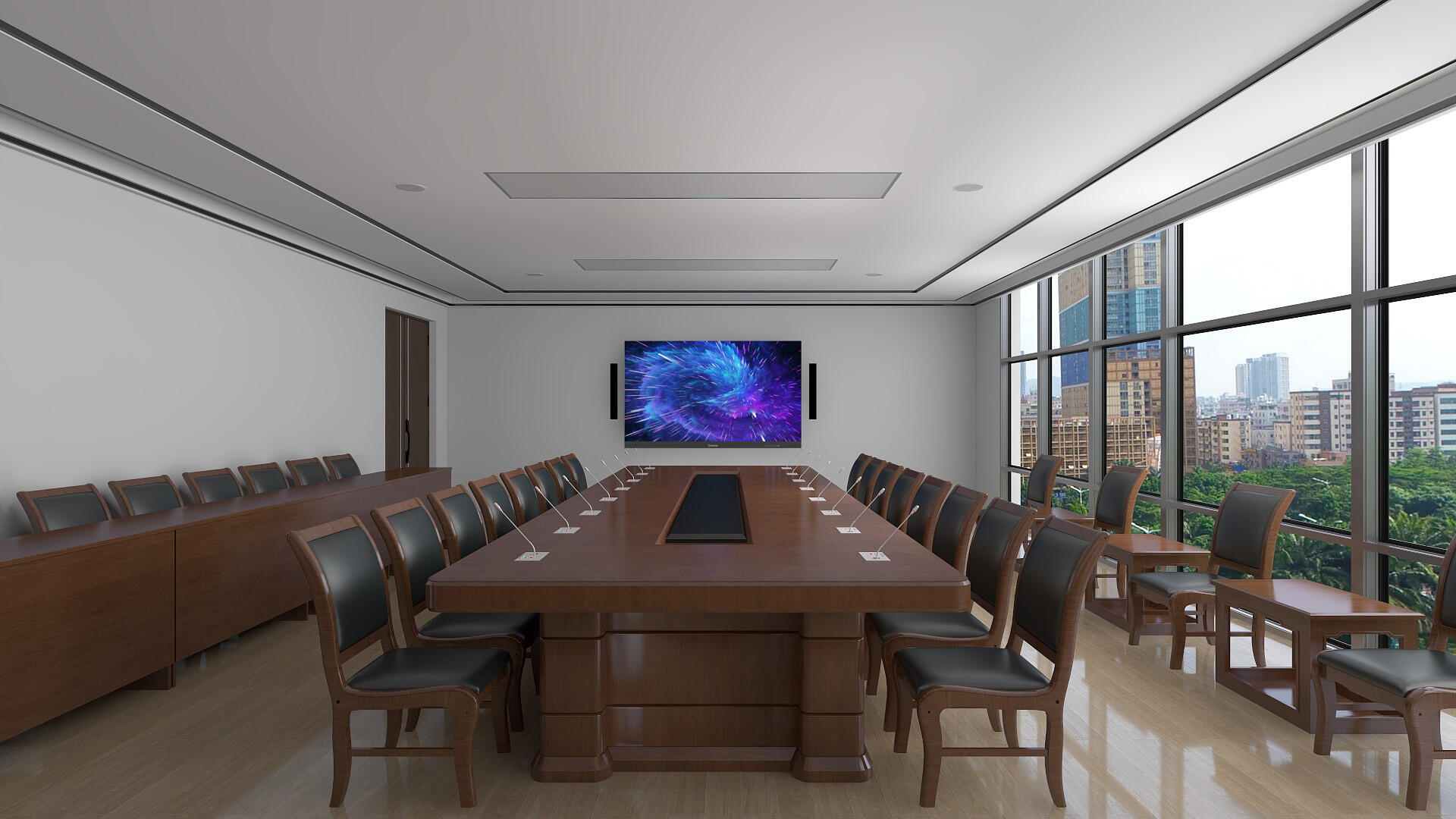
When planning a live event, corporate conference, product launch, or concert, one of the most consequential decisions you will face is whether to rent or purchase your display technology. Stage LED screens have become the standard for high-impact visual presentations, delivering vivid imagery and dynamic content across large venues. Yet the financial, logistical, and operational implications of owning versus renting these systems are vastly different, and the wrong choice can significantly affect your event budget, flexibility, and long-term operational efficiency.
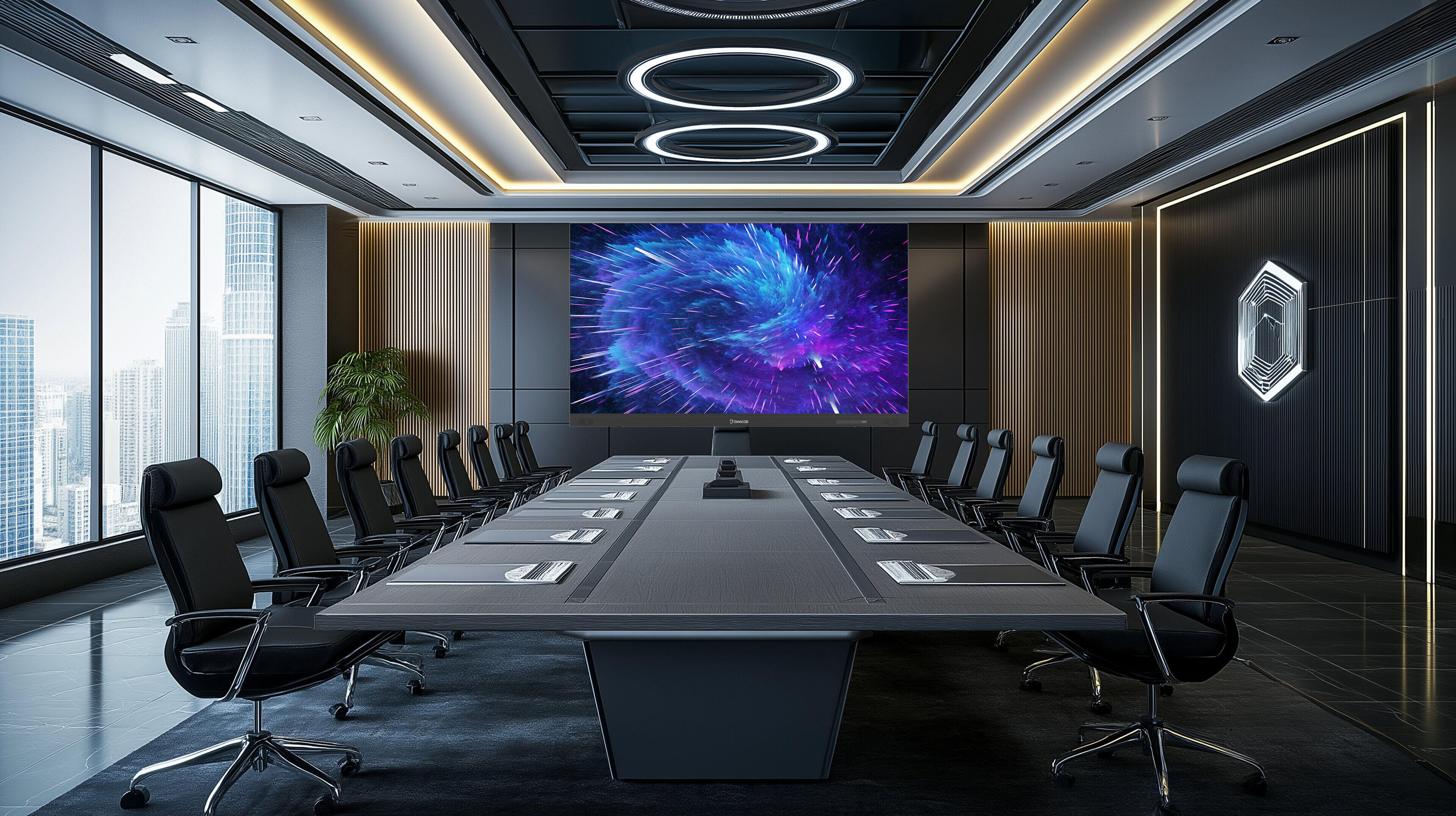
This article provides a clear, practical breakdown of the top five benefits of renting stage LED screens compared to buying them outright. Whether you are an event production company, a corporate AV manager, or an independent event organizer, understanding these benefits will help you make smarter, more cost-effective decisions that align with your operational goals and event frequency. The comparison is not about which option is universally better, but about which one serves your specific situation most effectively.
Benefit One: Significant Cost Savings and Reduced Capital Expenditure
Eliminating Large Upfront Investment
Purchasing stage LED screens requires a substantial upfront capital outlay. High-quality LED panels, control systems, rigging hardware, and cabling can easily run into tens of thousands of dollars for a single installation-grade setup. For organizations that host events infrequently or whose display needs vary from one event to the next, this level of capital commitment often cannot be justified on a per-event return basis.
Renting stage LED screens eliminates this barrier entirely. You pay only for what you use, when you use it, and you can scale the expenditure directly to the event's budget and scope. This approach preserves working capital that can be redirected toward talent, marketing, logistics, or venue improvements that may have a greater direct impact on event success.
From a financial reporting perspective, rental costs are typically classified as operational expenses rather than capital expenditures, which can offer meaningful tax and accounting advantages for businesses. This distinction matters enormously for companies managing tight quarterly budgets or looking to maintain leaner balance sheets.
Avoiding Hidden Ownership Costs
The purchase price of stage LED screens is only the beginning of the total cost of ownership. Storage, maintenance, insurance, calibration, firmware updates, and replacement of damaged panels all add recurring costs that rental pricing naturally absorbs. Many buyers underestimate these ongoing expenses when making the initial purchase decision.
When you rent stage LED screens, the rental provider assumes responsibility for maintenance, upkeep, and technology refresh cycles. This means you are not stuck with aging hardware that requires expensive repairs or becomes incompatible with newer signal processing standards. The true cost comparison between renting and buying must factor in these hidden ownership costs to be accurate.
Benefit Two: Access to the Latest Technology Without Obsolescence Risk
Keeping Pace with Rapid LED Innovation
The LED display industry evolves rapidly. Pixel pitch standards, brightness levels, refresh rates, and panel form factors have all advanced significantly over the past several years, and this pace of innovation shows no sign of slowing. Stage LED screens that represented the cutting edge three years ago may now appear inferior in direct comparison to current-generation products.
When you own stage LED screens, you are locked into a fixed technology point. Upgrading means selling off existing inventory at a depreciated value and investing in new equipment all over again. This cycle of obsolescence can be financially punishing for organizations that want to consistently deliver best-in-class visual experiences.
Renting stage LED screens solves this problem directly. Rental providers continuously invest in new inventory to remain competitive, which means renters automatically benefit from upgraded hardware without bearing the cost of the upgrade cycle. For events where visual quality is central to audience perception, this access to current-generation technology is a meaningful competitive advantage.
Matching Technology to the Specific Event Requirement
Not every event needs the same type of stage LED screens. An outdoor music festival requires different specifications than a corporate boardroom presentation or a trade show booth. Pixel pitch, panel size, brightness ratings, and weatherproofing requirements all vary significantly across event types.
Renting allows event organizers to select the exact technology profile that matches each event's specific requirements rather than forcing every event through the limitations of owned hardware. This flexibility ensures that both intimate indoor gatherings and large-scale outdoor productions receive optimally specified display solutions.
Benefit Three: Operational Flexibility and Scalability
Scaling Screen Size and Configuration Per Event
One of the most practical advantages of renting stage LED screens is the ability to scale the display configuration to match each event's audience size, venue dimensions, and content requirements. A company that purchases a fixed set of panels commits to a specific configuration that may be too small for large venues and unnecessarily large for smaller settings.
Rental agreements allow organizers to specify exactly how many panels are needed, in what arrangement, and for what duration. This means a single production company can execute events ranging from a 50-person executive briefing to a 5,000-person industry conference without over-investing in hardware for smaller events or under-serving larger ones.
This scalability also extends to backup and redundancy. When renting stage LED screens, rental providers often include spare panels as part of the package, ensuring that a single panel failure does not disrupt the entire visual presentation during a live event.
Adapting to Different Venue and Stage Configurations
Event venues come in an enormous variety of shapes, sizes, and configurations. The optimal display layout for an arena differs from that of a hotel ballroom or an outdoor amphitheater. Owned stage LED screens may not physically or technically adapt well to every venue type, creating constraints that limit the event designer's creative options.
Rental providers typically carry modular panel systems that can be configured into straight, curved, angled, or multi-surface displays depending on the staging environment. This modularity gives event designers significantly more creative freedom than a fixed owned system would typically allow, enabling more visually compelling and venue-appropriate productions.
Benefit Four: Logistics, Storage, and Transport Are No Longer Your Problem
Removing the Burden of Physical Asset Management
Owning stage LED screens means accepting full responsibility for their physical management between events. This includes climate-controlled storage to protect sensitive electronics, secure facilities to prevent theft or damage, organized inventory management to track panel condition and availability, and coordinated transport logistics for each deployment.
For organizations that do not have dedicated AV infrastructure or warehouse space, managing owned stage LED screens becomes a significant operational burden. The hidden labor costs of packing, loading, transporting, setting up, breaking down, and returning equipment to storage add up quickly and can erode the apparent economic advantage of ownership.
Renting stage LED screens transfers all of these logistical responsibilities to the rental provider. Delivery, setup, teardown, and return logistics are typically built into the rental agreement, allowing event teams to focus entirely on the creative and programmatic aspects of their events rather than the physical management of display assets.
Reducing Insurance and Liability Exposure
High-value AV equipment carries significant insurance implications. Stage LED screens represent expensive assets that require dedicated coverage against theft, accidental damage, transit damage, and environmental hazards. For organizations that do not regularly deal with large physical assets, arranging and maintaining this coverage adds administrative complexity and ongoing cost.
Rental arrangements typically transfer liability for equipment damage during transit and setup to the rental provider, subject to agreed terms. While rental agreements do include damage liability clauses, the baseline risk of equipment loss or catastrophic failure rests with the provider rather than the event organizer. This simplification of liability management is a genuine operational benefit for many organizations.
Benefit Five: Technical Support and Expert Installation Included
Access to Certified Technicians at Every Event
Stage LED screens are technically complex systems. Proper installation requires knowledge of structural rigging, power distribution, signal processing, content mapping, and calibration. Errors in any of these areas can result in poor image quality, system instability, or, in severe cases, structural safety hazards.
Most rental providers include certified technicians as part of the rental package. These professionals bring hands-on experience with the specific equipment being deployed, dramatically reducing the risk of technical failures during live events. For event organizers without in-house AV expertise, this access to professional technical support is one of the most valuable aspects of the rental model.
Owners of stage LED screens, on the other hand, must either develop this technical expertise in-house, hire freelance technicians for each deployment, or engage an AV integration company on a contract basis. Each of these approaches introduces additional coordination, cost, and risk compared to the integrated support model that rental providers naturally offer.
On-Site Troubleshooting and Real-Time Problem Resolution
Even the most reliable stage LED screens can encounter issues during live production environments. Signal dropouts, panel malfunctions, power fluctuations, and content rendering errors can all occur unexpectedly. Having an experienced technician on-site who knows the specific equipment and can diagnose and resolve issues in real time is invaluable during high-stakes live events.
Rental agreements that include on-site technical support ensure that problems are addressed immediately rather than cascading into visible failures in front of audiences. This level of operational assurance is difficult to replicate without dedicated in-house AV staff, making the rental model particularly attractive for organizations that prioritize event reliability above all else.
FAQ
Is renting stage LED screens always cheaper than buying them?
Not always, and the answer depends heavily on event frequency. For organizations that deploy stage LED screens dozens of times per year on a predictable schedule, purchasing can eventually offer a lower per-event cost. However, when total cost of ownership including storage, maintenance, insurance, and technical support is factored in, renting remains competitive even at moderate event frequencies. Organizations running fewer than ten to fifteen major display events per year will typically find renting more cost-effective in practice.
Can rented stage LED screens match the quality of owned systems?
Yes, and in many cases rented stage LED screens may actually offer higher specifications than owned systems that have not been recently upgraded. Reputable rental providers continuously refresh their inventory with current-generation panels to remain competitive in the marketplace. Renters often benefit from accessing newer pixel pitch options, higher brightness ratings, and more versatile modular configurations than an owned fleet purchased two or three years prior would provide.
What types of events are best suited for renting stage LED screens?
Events that vary significantly in scale, location, or configuration from one occurrence to the next are the best fit for the rental model. Corporate conferences, product launches, award ceremonies, trade shows, touring concerts, and one-off festivals all benefit from the flexibility and logistical support that rental arrangements provide. Events that occur in fixed venues with consistent technical requirements year after year may warrant a more serious evaluation of ownership.
How far in advance should stage LED screens be booked for rental?
For standard corporate events, four to eight weeks of lead time is generally sufficient to secure the required stage LED screens from a rental provider. However, for large-scale productions, outdoor festivals, or events during peak seasons, three to six months of advance booking is strongly recommended. High-demand periods can exhaust rental inventory quickly, and early reservation ensures access to the specific panel types and configurations your event requires.
Table of Contents
- Benefit One: Significant Cost Savings and Reduced Capital Expenditure
- Benefit Two: Access to the Latest Technology Without Obsolescence Risk
- Benefit Three: Operational Flexibility and Scalability
- Benefit Four: Logistics, Storage, and Transport Are No Longer Your Problem
- Benefit Five: Technical Support and Expert Installation Included
- FAQ