
 EN
EN
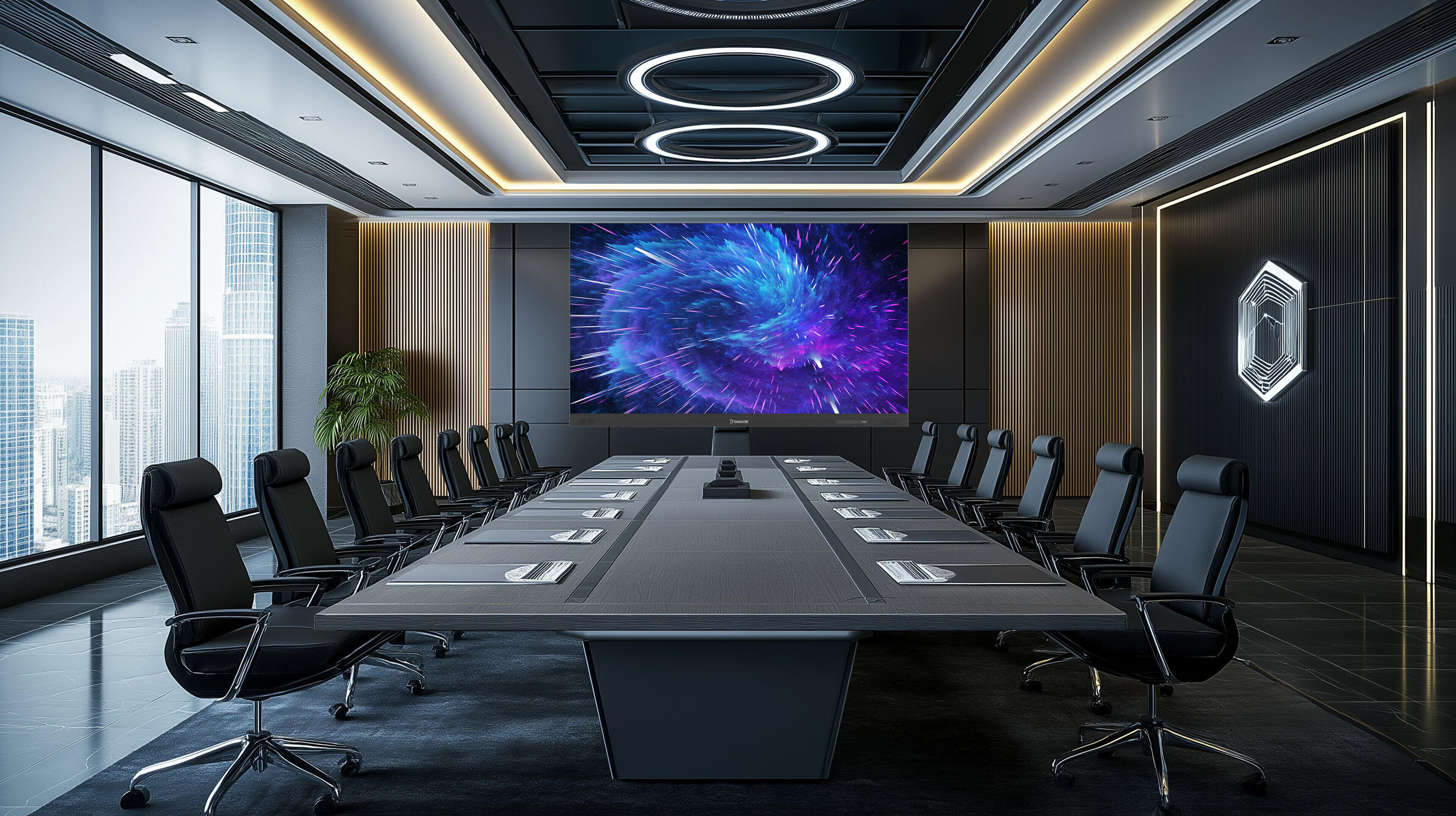
When it comes to delivering a visually powerful event experience, few tools compare to the impact of a high-quality display solution. Whether you are organizing a corporate conference, a live concert, a product launch, or a wedding reception, stage LED screen rental has become one of the most sought-after solutions for event producers and venue managers worldwide. The ability to rent rather than purchase this sophisticated technology gives event organizers access to premium visual infrastructure without the burden of long-term capital investment.
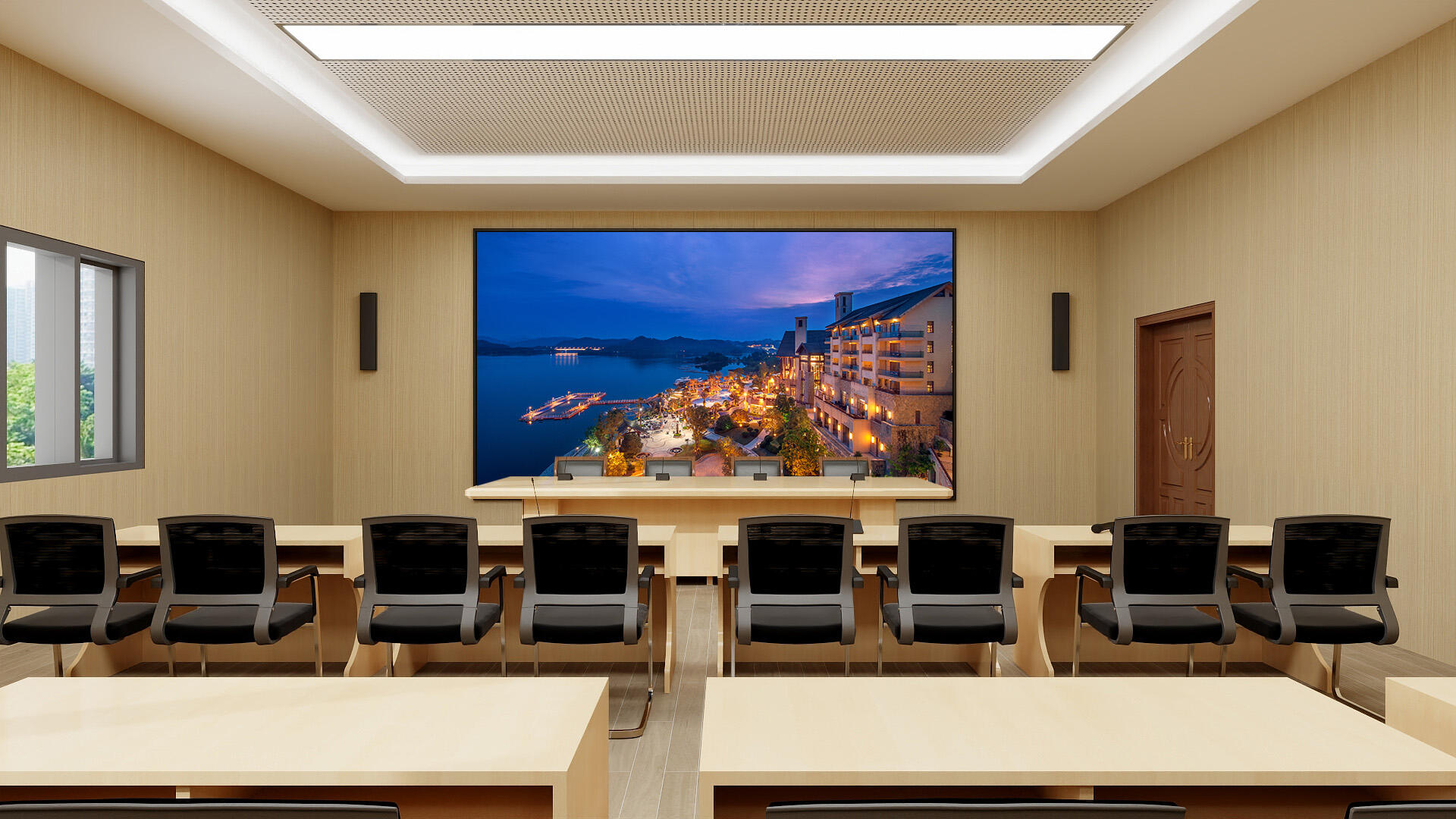
This complete guide is designed to walk you through everything you need to know about stage LED screen rental for events — from understanding how the technology works and what factors influence your rental choices, to how to match the right screen configuration to your specific event type. By the end of this guide, you will be equipped to make informed decisions and avoid the common pitfalls that can undermine your event's visual presentation.
Understanding Stage LED Screen Technology
What Makes LED Screens Different from Other Display Options
LED screens use an array of light-emitting diodes to produce vivid, bright visuals that remain clear even in challenging lighting environments. Unlike traditional projectors or LCD panels, LED displays are self-emissive, meaning each pixel generates its own light rather than relying on a backlight or external projection. This fundamental difference makes stage LED screen rental the preferred choice for large venues, outdoor events, and situations where ambient light cannot be fully controlled.
The modular nature of modern LED panels is another key advantage. Individual LED tiles or cabinets can be assembled into virtually any size or shape, allowing event designers to create seamless visual canvases that perfectly suit the dimensions of a stage. This scalability is one reason why stage LED screen rental services have grown exponentially across the event industry over the past decade.
Brightness is measured in nits, and high-quality LED screens used in stage rental applications can achieve thousands of nits, far exceeding the output of conventional projection systems. This means that even when stage lighting is intense, the visual content on the screen remains sharp, saturated, and legible from a distance.
Key Technical Specifications to Understand Before Renting
Pixel pitch is among the most important specifications in any stage LED screen rental conversation. It refers to the distance in millimeters between the center of one LED cluster and the center of the adjacent cluster. A smaller pixel pitch means a higher pixel density, which produces a sharper image when viewers are close to the screen. For large outdoor stages where audiences may be dozens of meters away, a larger pixel pitch is often sufficient and more cost-effective.
Refresh rate is another critical parameter. A higher refresh rate reduces flickering artifacts, which is especially important when the LED screen will be captured on video cameras during broadcast or live streaming. Most professional-grade rental LED panels used in stage environments offer refresh rates of 3,840 Hz or higher to ensure camera-ready performance.
Brightness uniformity and color calibration are also factors that distinguish premium stage LED screen rental providers from budget options. Well-calibrated screens ensure that colors remain consistent across the entire display surface, avoiding distracting hotspots or washed-out areas that can detract from a polished event presentation.
Types of Stage LED Screens Available for Rental
Indoor Versus Outdoor LED Rental Screens
Indoor LED panels used in stage LED screen rental are typically designed with smaller pixel pitches since audiences are closer to the screen. They operate at lower brightness levels compared to outdoor versions, which reduces heat generation and power consumption in enclosed venues. Indoor panels are often lighter and thinner, making rigging and stage integration more manageable for event crews.
Outdoor LED screens, by contrast, are built to withstand environmental challenges including rain, dust, direct sunlight, and temperature fluctuations. They carry higher IP ratings for weather resistance and operate at significantly higher brightness levels to compete with ambient daylight. When planning a festival, outdoor sporting event, or open-air concert, selecting the right outdoor-rated stage LED screen rental solution is non-negotiable for visual reliability.
Some rental providers offer flexible or curved LED panels that can be bent or shaped to follow the contours of a custom stage design. These solutions are popular in high-budget productions where visual differentiation is part of the creative brief. Understanding the difference between rigid and flexible panel options will help you communicate more clearly with your stage LED screen rental supplier.
Main Stage Screens Versus Side IMAG Screens
In large event productions, LED screens typically serve two distinct roles. The center or main stage screen acts as the primary visual backdrop, displaying branding, motion graphics, live video feeds, and presentation slides. This screen is typically positioned directly behind performers or speakers and commands the most visual attention in the venue.
IMAG screens, which stands for Image Magnification, are placed on the sides of the stage to give audience members in the far reaches of a venue a close-up view of presenters or performers. These are essential at large conventions, music festivals, and stadium events where direct sight lines to the stage may be limited. When budgeting for stage LED screen rental, many event producers underestimate the importance of IMAG screens and regret the omission once the event is underway.
Backdrop LED screens designed to replace traditional physical set pieces are also growing in popularity, particularly in broadcast studios and high-production corporate events. These screens create immersive environments and can display dynamic content that transforms the visual atmosphere within seconds, giving event organizers remarkable flexibility during multi-segment programs.
How to Choose the Right Stage LED Screen Rental for Your Event
Matching Screen Size to Venue and Audience Distance
A foundational principle in stage LED screen rental planning is that screen size should be determined by the maximum viewing distance in the venue. A common industry guideline suggests the screen height in meters should be at least one-eighth of the farthest viewing distance. This ensures that content remains legible to all audience members regardless of where they are seated or standing.
For smaller events with intimate audiences — such as a corporate dinner for 200 guests — a single LED screen of moderate dimensions may be perfectly adequate. For a festival with thousands of attendees spread across a large field, multiple large-format screens may be necessary to maintain visual engagement throughout the crowd. Getting the size calculation right from the outset prevents both under-investment and unnecessary over-spending in your stage LED screen rental budget.
It is also important to consider the physical constraints of the venue when selecting screen dimensions. Ceiling height, rigging capacity, power availability, and floor loading limits all influence what is realistically achievable. Experienced stage LED screen rental providers will conduct a site survey or review venue drawings before finalizing a configuration recommendation.
Content Format and Resolution Planning
The visual content being displayed on an LED screen must be produced at the correct resolution to avoid pixelation or scaling artifacts. Before confirming a stage LED screen rental booking, event producers should communicate their content specifications clearly to the rental provider. The native resolution of the assembled LED wall is determined by the total number of pixels across its width and height, which in turn depends on the panel size and pixel pitch used.
Content that has been designed for a 16:9 widescreen format may not map correctly onto a square or portrait-oriented LED display without cropping or letterboxing. Working with a content designer who understands LED output requirements early in the production timeline is an investment that consistently pays off in the quality of the final presentation.
Video processing hardware is equally important in the stage LED screen rental ecosystem. Dedicated LED processors manage how content signals are scaled, distributed, and synchronized across multi-panel configurations. Ensuring that the signal chain from source to screen is clean and latency-free is a technical responsibility shared between the rental provider and the event's AV team.
Budgeting and Logistics for Stage LED Screen Rental
Understanding What Drives Rental Pricing
The cost of stage LED screen rental is influenced by several interconnected variables. Panel size and pixel pitch are the primary cost drivers — finer pixel pitch panels cost more to manufacture and maintain, which is reflected in rental rates. The total screen area required, measured in square meters, is typically the base unit for pricing calculations in most rental markets.
Labor costs for installation and dismantling must also be factored into the overall budget. Large LED configurations require experienced technicians who understand structural rigging, signal routing, and on-site calibration. Some stage LED screen rental providers bundle labor into an all-inclusive package price, while others quote hardware and labor separately, so it is important to request itemized quotes for accurate comparison.
The duration of the rental — including load-in days, event days, and load-out time — affects the total cost. Events requiring multi-day setups or extended rental periods will naturally command higher fees than a single-day exhibition. Discussing your full production schedule openly with your stage LED screen rental partner helps prevent budget surprises and ensures realistic scheduling of crew and equipment.
Logistics, Setup, and On-Site Support
Logistics planning for stage LED screen rental involves coordinating the delivery, assembly, testing, and eventual de-rigging of heavy and sensitive equipment. LED panels must be transported in purpose-built protective cases to prevent damage. Venue access windows, loading dock availability, and elevator or freight lift capacity all need to be communicated in advance to avoid costly delays on the day of setup.
On-site technical support during the event is a critical service component that many first-time renters overlook. A qualified LED technician should be present throughout the event to monitor system performance, address any signal issues, and manage real-time adjustments. Reputable stage LED screen rental companies include standby technical support as a standard part of their service agreement, ensuring that any technical hiccup can be resolved quickly without disrupting the audience experience.
Power requirements for large LED installations can be substantial. Event planners must work with the venue's electrical team or an independent power supplier to ensure that sufficient power distribution is available and that circuits are appropriately fused and balanced. Failing to account for power demands is one of the most common and avoidable mistakes in stage LED screen rental project planning. For information display solutions that complement your event infrastructure, consider exploring options like the stage LED screen rental compatible wall-mounted information release screens that provide seamless supplemental messaging capabilities.
Best Practices for a Successful Stage LED Screen Rental Experience
Starting Planning Early and Communicating Clearly
One of the most consistent pieces of advice from experienced event producers is to begin the stage LED screen rental planning process as early as possible. LED screen inventory is finite, and premium equipment in popular configurations is frequently booked well in advance of major events. Engaging a rental partner early gives you first access to the best available equipment and allows adequate time for custom fabrication if non-standard configurations are required.
Clear communication between the event team, the creative and content team, and the stage LED screen rental provider is essential for avoiding last-minute complications. Sharing final stage drawings, content specs, rigging plans, and run-of-show documents with the rental company well ahead of the event date enables the technical team to prepare thoroughly and anticipate potential challenges before they become problems on site.
A pre-production site visit or technical survey conducted jointly with the rental provider is highly recommended for complex events. This visit allows the technical team to verify ceiling height, rigging points, power availability, and viewing angles firsthand. The insights gained during a site visit often lead to configuration refinements that improve the final visual result significantly.
Managing Content and Testing Before the Event
Content testing is a step that should never be skipped in any stage LED screen rental project. All visual assets — including presentation slides, video clips, motion graphics, and live camera feeds — should be tested on the actual LED hardware before the event audience arrives. Colors, font legibility, video playback quality, and switching transitions should all be verified during a dedicated technical rehearsal.
Backup content systems and redundant signal pathways are standard practice in professional-grade stage LED screen rental productions. Having a secondary laptop, backup media server, or redundant signal processor ready to take over in the event of a hardware failure can save an event from a potentially catastrophic visual outage. Discuss redundancy planning openly with your rental provider as part of the technical specification conversation.
Finally, training the event staff and presenters on how the LED system will behave during different program segments reduces confusion on event day. When presenters know how slides will transition, how live feeds will appear on screen, and how to signal the technical team for adjustments, the overall flow of the event becomes smoother and more professional in every aspect of the stage LED screen rental experience.
FAQ
How far in advance should I book a stage LED screen rental for my event?
It is generally advisable to initiate your stage LED screen rental inquiry at least six to twelve weeks before the event date. For large-scale events or peak seasons such as the end of the year or summer festivals, booking three to six months in advance ensures access to the best equipment and allows adequate time for technical planning, content preparation, and logistics coordination.
What is the difference between pixel pitch options in stage LED screen rental?
Pixel pitch describes the distance between LED clusters on a panel, and it directly affects image sharpness at a given viewing distance. In stage LED screen rental, a smaller pixel pitch such as P2 or P3 is ideal for close-viewing indoor environments, while larger pitches like P6 or P10 are suitable for outdoor events where the audience is farther away. Choosing the right pixel pitch balances visual quality with rental cost efficiency.
Can stage LED screen rental be used outdoors in unpredictable weather?
Yes, outdoor-rated LED panels used in stage LED screen rental are specifically engineered to handle rain, dust, wind, and temperature changes. They carry higher IP ingress protection ratings than indoor panels. However, extreme weather conditions such as high winds may require additional structural support or rigging changes to ensure safety. Always discuss the outdoor environment specifics with your rental provider during planning.
What support should I expect from a professional stage LED screen rental provider?
A reputable stage LED screen rental company should provide end-to-end support that includes pre-event consultation, site survey services, equipment delivery and installation, on-site technical supervision throughout the event, and post-event dismantling and retrieval. Standby technicians during the live event are a critical component of the service, ensuring that any technical issues are resolved immediately without interrupting the event experience for attendees.
Table of Contents
- Understanding Stage LED Screen Technology
- Types of Stage LED Screens Available for Rental
- How to Choose the Right Stage LED Screen Rental for Your Event
- Budgeting and Logistics for Stage LED Screen Rental
- Best Practices for a Successful Stage LED Screen Rental Experience
-
FAQ
- How far in advance should I book a stage LED screen rental for my event?
- What is the difference between pixel pitch options in stage LED screen rental?
- Can stage LED screen rental be used outdoors in unpredictable weather?
- What support should I expect from a professional stage LED screen rental provider?