capacitive screen
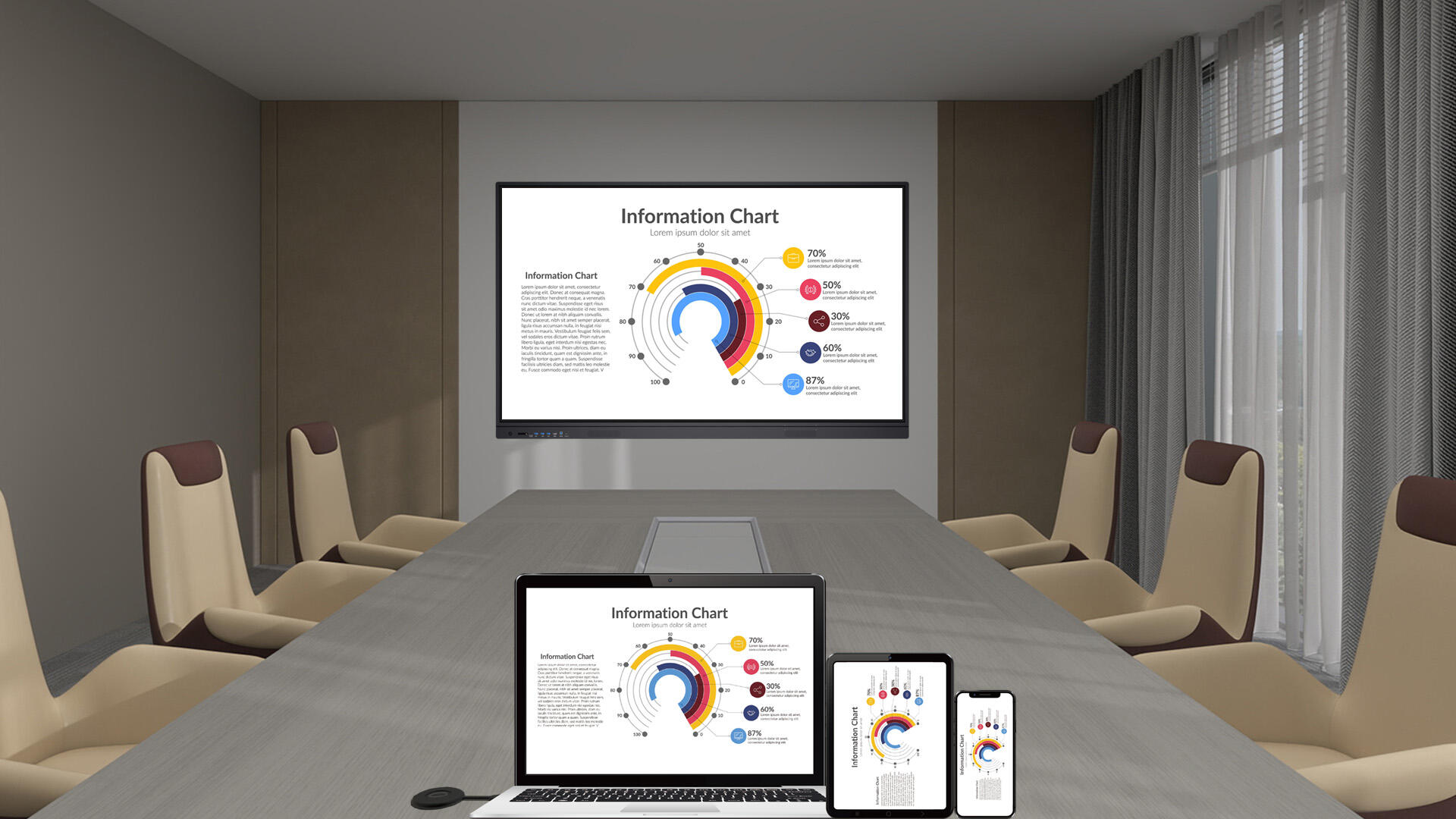
A capacitive screen represents a breakthrough in touch-sensitive display technology, functioning through the human body's natural electrical properties. This innovative interface detects touch by measuring changes in the electrical field created by our fingers' conductivity. The screen consists of multiple layers, including a protective glass surface coated with a transparent conductive material, typically indium tin oxide. When a finger touches the screen, it creates a measurable change in the electrostatic field at that specific point, allowing precise location detection. Modern capacitive screens support multi-touch functionality, enabling users to perform complex gestures like pinching, zooming, and rotating. The technology offers exceptional clarity and brightness since it requires fewer layers than resistive alternatives, resulting in superior light transmission. These screens are extensively used in smartphones, tablets, laptops, and various interactive displays, offering reliable performance in diverse environmental conditions. The technology's response time is remarkably fast, typically less than 10 milliseconds, ensuring smooth and immediate interaction. Capacitive screens also demonstrate excellent durability, with many rated for millions of touches without degradation in performance.


 EN
EN