
 EN
EN
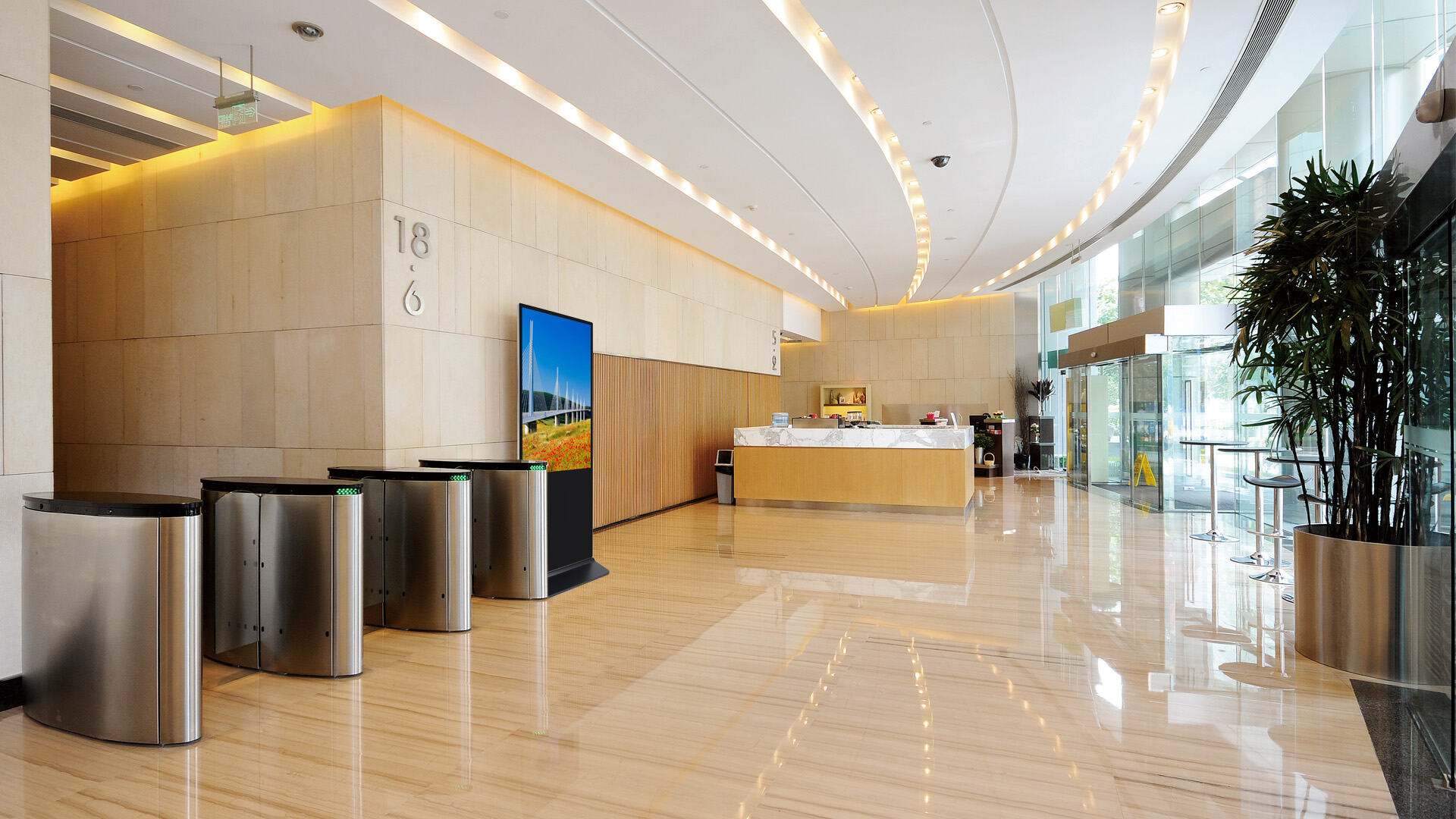
The digital signage industry has undergone a remarkable transformation as environmental consciousness becomes a driving force in business decisions. Modern organizations are increasingly recognizing that energy efficient LED displays represent far more than just technological advancement—they embody a strategic commitment to sustainability that delivers measurable benefits across operational, financial, and environmental dimensions. This shift toward eco-friendly signage solutions reflects a deeper understanding of how display technology choices impact both immediate operational costs and long-term corporate responsibility objectives.
The urgency behind adopting energy efficient LED displays extends beyond simple cost reduction to encompass comprehensive environmental stewardship and competitive positioning. As global energy costs continue to rise and environmental regulations become more stringent, organizations that prioritize energy efficiency in their display infrastructure position themselves advantageously for future market conditions. The business case for energy efficient LED displays becomes particularly compelling when examining the cumulative impact of reduced power consumption, extended equipment lifespan, and enhanced brand reputation among environmentally conscious stakeholders.
Economic Impact of Energy Efficiency in Digital Displays
Operational Cost Reduction Through Power Savings
The most immediate and quantifiable benefit of energy efficient LED displays manifests in dramatically reduced electricity consumption compared to traditional display technologies. Modern LED technology consumes approximately 50-80% less power than conventional fluorescent or incandescent-based signage systems, translating to substantial monthly utility savings. These power reductions become especially significant in large-scale installations where multiple displays operate continuously throughout business hours.
Organizations implementing energy efficient LED displays typically observe monthly electricity cost reductions ranging from 40-70% compared to legacy display systems. This cost differential becomes more pronounced in facilities with extended operating hours or 24/7 display requirements, where the cumulative savings can amount to thousands of dollars annually per display unit. The economic advantage intensifies in regions with higher electricity rates, making energy efficient LED displays particularly attractive for businesses operating in urban centers or areas with premium energy costs.
The financial impact extends beyond direct utility savings to include reduced cooling costs in climate-controlled environments. Energy efficient LED displays generate significantly less heat than traditional alternatives, reducing the burden on HVAC systems and contributing to additional energy savings. This secondary benefit often represents 10-15% additional cost reduction in indoor installations where temperature control is critical.
Return on Investment Calculations
The investment recovery timeline for energy efficient LED displays varies based on usage patterns, local electricity rates, and installation scale, but typically ranges from 12-36 months for most commercial applications. Organizations must consider both initial equipment costs and ongoing operational expenses when evaluating the total cost of ownership for their display infrastructure. While energy efficient LED displays may require higher upfront investment compared to traditional alternatives, the ongoing operational savings create compelling long-term value propositions.
Comprehensive ROI analysis reveals that energy efficient LED displays often achieve break-even points faster in high-usage scenarios such as transportation hubs, retail environments, or educational institutions where displays operate 12+ hours daily. The calculation becomes even more favorable when factoring in extended lifespan characteristics, as LED technology typically provides 50,000-100,000 hours of operation compared to 10,000-20,000 hours for traditional display technologies.
Forward-looking organizations also incorporate potential energy cost inflation into their ROI calculations, recognizing that utility rates tend to increase over time while LED efficiency continues to improve. This approach often reveals that energy efficient LED displays provide even greater value over their operational lifetime than initial projections suggest, making them increasingly attractive as long-term infrastructure investments.
Environmental Benefits and Sustainability Implications
Carbon Footprint Reduction
The environmental impact of energy efficient LED displays extends far beyond individual facility boundaries to contribute meaningfully to broader carbon reduction objectives. Each kilowatt-hour of electricity saved through efficient display technology translates directly to reduced carbon emissions at power generation facilities, creating measurable environmental benefits that scale with installation size and usage patterns.
Organizations deploying energy efficient LED displays typically achieve 60-80% reduction in display-related carbon emissions compared to traditional signage systems. This reduction becomes particularly significant for companies with sustainability reporting requirements or carbon neutrality commitments, as display infrastructure often represents a measurable component of overall facility energy consumption. The environmental benefit amplifies in regions where electricity generation relies heavily on fossil fuels, making LED efficiency especially valuable for organizations operating in coal or natural gas-dependent power grids.
The carbon reduction impact of energy efficient LED displays extends throughout the product lifecycle, from manufacturing through disposal. LED technology requires fewer rare earth materials and toxic components compared to traditional display technologies, reducing environmental impact during both production and end-of-life processing. This comprehensive environmental benefit supports organizations pursuing holistic sustainability strategies that consider entire product lifecycles.
Waste Reduction and Resource Conservation
Energy efficient LED displays contribute to waste reduction through extended operational lifespans that dramatically reduce replacement frequency compared to traditional display technologies. While conventional fluorescent or incandescent-based displays might require replacement every 1-3 years, quality LED displays often operate effectively for 10-15 years, substantially reducing electronic waste generation and disposal requirements.
The durability characteristics of energy efficient LED displays also minimize maintenance-related waste, as LED technology requires fewer replacement components and consumable materials throughout its operational lifetime. This reduction in maintenance materials translates to decreased packaging waste, reduced transportation requirements for service calls, and lower overall resource consumption for ongoing display operations.
Resource conservation extends to manufacturing efficiency, as LED production processes typically require fewer raw materials and generate less manufacturing waste compared to traditional display technologies. Organizations prioritizing circular economy principles find that energy efficient LED displays align well with resource conservation objectives while delivering superior operational performance.
Technological Advantages Driving Energy Efficiency
Advanced LED Architecture and Power Management
Modern energy efficient LED displays incorporate sophisticated power management systems that dynamically adjust energy consumption based on ambient lighting conditions, content requirements, and usage patterns. These intelligent systems ensure optimal visibility while minimizing unnecessary power consumption, creating automatic efficiency optimization that requires no manual intervention from facility operators.
The semiconductor architecture underlying energy efficient LED displays enables precise control over individual pixel brightness and color output, allowing for granular power management that traditional display technologies cannot match. This pixel-level control means that displays showing predominantly dark content consume significantly less power than those displaying bright, colorful content, creating opportunities for content-aware energy optimization.
Advanced thermal management systems in energy efficient LED displays maintain optimal operating temperatures while minimizing cooling energy requirements. These systems incorporate heat dissipation technologies that maintain LED performance and longevity while reducing overall system power consumption, contributing to both efficiency and reliability objectives.
Integration with Building Management Systems
Energy efficient LED displays increasingly integrate with comprehensive building management systems to optimize facility-wide energy consumption patterns. This integration enables coordinated power management that considers factors such as occupancy schedules, ambient lighting conditions, and overall facility energy demand to maximize efficiency while maintaining display effectiveness.
Smart building integration allows energy efficient LED displays to participate in demand response programs and peak load management strategies, potentially generating additional cost savings during high-demand electricity periods. This capability becomes particularly valuable for large facilities or multi-location organizations seeking to optimize energy costs across entire portfolios.
The connectivity features of modern energy efficient LED displays enable remote monitoring and optimization capabilities that facilitate ongoing efficiency improvements. Facility managers can track energy consumption patterns, identify optimization opportunities, and implement efficiency measures without requiring on-site technical intervention, reducing both operational costs and maintenance requirements.
Business Case Development for LED Display Implementation
Stakeholder Value Propositions
The business case for energy efficient LED displays must address diverse stakeholder interests ranging from CFO concerns about capital allocation to sustainability officer objectives for environmental impact reduction. Financial stakeholders typically focus on payback periods, ongoing operational savings, and total cost of ownership calculations, while environmental stakeholders emphasize carbon footprint reduction and resource conservation benefits.
Operations teams value the reliability and reduced maintenance requirements of energy efficient LED displays, as these characteristics translate to fewer service interruptions and lower ongoing support costs. The extended lifespan of LED technology means fewer replacement projects and reduced capital expenditure requirements over time, creating operational budget predictability that facility managers particularly appreciate.
Marketing and communications stakeholders often champion energy efficient LED displays for their enhanced visual performance capabilities and alignment with corporate sustainability messaging. The superior brightness, color accuracy, and viewing angle characteristics of LED technology enable more effective communication while supporting brand positioning around environmental responsibility.
Risk Management and Future-Proofing Considerations
Organizations implementing energy efficient LED displays position themselves advantageously for future regulatory requirements around energy consumption and environmental impact reporting. As governments worldwide implement stricter energy efficiency standards and carbon reporting mandates, early adoption of efficient display technology provides compliance advantages and reduces future retrofit requirements.
The technological advancement trajectory for energy efficient LED displays suggests continued improvement in efficiency characteristics, meaning current implementations establish infrastructure foundations that will benefit from future innovations. This future-proofing aspect makes LED investment particularly attractive for organizations planning long-term facility strategies or multi-phase infrastructure development projects.
Supply chain resilience represents another risk management benefit of energy efficient LED displays, as LED technology relies on more diverse component supply chains compared to traditional display technologies. This diversity reduces vulnerability to supply disruptions and provides greater flexibility for future maintenance and upgrade requirements.
Implementation Strategy and Best Practices
Site Assessment and Requirements Analysis
Successful implementation of energy efficient LED displays begins with comprehensive site assessment that evaluates existing electrical infrastructure, ambient lighting conditions, viewing requirements, and operational patterns. This assessment identifies specific efficiency opportunities and potential challenges that could impact system performance or installation costs.
The requirements analysis phase must consider both immediate display needs and future expansion possibilities, as energy efficient LED displays often enable additional functionality or capacity that wasn't feasible with previous technologies. Organizations should evaluate how LED efficiency might enable extended operating hours, larger display formats, or enhanced visual capabilities that create new business opportunities.
Environmental factors such as temperature ranges, humidity levels, and exposure to weather conditions significantly impact the performance and efficiency of energy efficient LED displays. Proper assessment of these factors ensures optimal system specification and prevents performance degradation that could compromise efficiency objectives.
Performance Monitoring and Optimization
Ongoing performance monitoring enables organizations to maximize the efficiency benefits of their LED display investments while identifying optimization opportunities that emerge over time. Modern energy efficient LED displays provide detailed consumption data and performance metrics that facilitate data-driven efficiency improvements and predictive maintenance strategies.
Regular performance review processes should evaluate energy consumption patterns, content optimization opportunities, and system utilization rates to identify additional efficiency gains. Many organizations discover that content strategies and operating schedules significantly impact overall system efficiency, creating opportunities for ongoing optimization without hardware modifications.
The monitoring data from energy efficient LED displays often reveals broader facility energy patterns and optimization opportunities that extend beyond display systems. This comprehensive insight supports facility-wide efficiency initiatives and demonstrates the strategic value of LED display investment beyond immediate display requirements.
FAQ
How much energy do LED displays actually save compared to traditional signage?
Energy efficient LED displays typically consume 50-80% less electricity than traditional fluorescent or incandescent-based signage systems. The exact savings depend on factors such as display size, brightness requirements, and operating hours, but most organizations see monthly utility bill reductions of 40-70% for their display-related energy costs. In large installations or 24/7 operations, these savings can amount to thousands of dollars annually per display unit.
What is the typical payback period for investing in energy efficient LED displays?
The investment recovery timeline for energy efficient LED displays generally ranges from 12-36 months, depending on usage patterns, local electricity rates, and installation scale. High-usage environments such as retail stores, transportation hubs, or educational facilities typically achieve faster payback periods due to extended daily operating hours. The payback calculation becomes even more favorable when considering the longer lifespan of LED technology, which often provides 50,000-100,000 hours of operation compared to 10,000-20,000 hours for traditional display technologies.
Do energy efficient LED displays work well in all environmental conditions?
Modern energy efficient LED displays are designed to perform effectively across a wide range of environmental conditions, from extreme cold to high heat and humidity environments. However, optimal efficiency and performance require proper system specification based on specific site conditions. Factors such as ambient temperature, direct sunlight exposure, and humidity levels should be evaluated during the planning phase to ensure appropriate LED technology selection and thermal management systems.
Can existing electrical infrastructure support energy efficient LED displays?
In most cases, existing electrical infrastructure can easily support energy efficient LED displays since they consume significantly less power than traditional display technologies. The reduced power requirements often mean that facilities can support larger or additional displays using their current electrical capacity. However, a professional electrical assessment is recommended to verify compatibility and identify any necessary modifications, particularly in older buildings or specialized installations where power quality or distribution considerations might impact system performance.
Table of Contents
- Economic Impact of Energy Efficiency in Digital Displays
- Environmental Benefits and Sustainability Implications
- Technological Advantages Driving Energy Efficiency
- Business Case Development for LED Display Implementation
- Implementation Strategy and Best Practices
-
FAQ
- How much energy do LED displays actually save compared to traditional signage?
- What is the typical payback period for investing in energy efficient LED displays?
- Do energy efficient LED displays work well in all environmental conditions?
- Can existing electrical infrastructure support energy efficient LED displays?