
 EN
EN
The convergence of digital innovation and physical environments has revolutionized how businesses engage with audiences, creating immersive experiences that seamlessly blend virtual content with real-world settings. At the forefront of this technological evolution, transparent LED displays emerge as transformative solutions that redefine spatial storytelling, architectural integration, and interactive communication across diverse commercial applications.
This magical fusion represents more than technological advancement; it embodies a paradigm shift where digital content enhances rather than obscures physical spaces. Transparent LED displays create compelling visual narratives while maintaining architectural transparency, enabling businesses to deliver dynamic messaging without compromising natural lighting, spatial flow, or aesthetic integrity of their environments.
The Transparent Revolution in Digital Display Technology
Understanding Transparent LED Display Architecture
Transparent LED displays utilize advanced semiconductor technology to create pixels with microscopic gaps between LED modules, allowing light transmission through the display surface. This innovative architecture maintains visual clarity from both sides while projecting vibrant digital content, achieving transparency rates typically ranging from 70% to 90% depending on pixel density and configuration requirements.
The magic lies in the precise engineering of LED pitch specifications, where smaller pixel pitches deliver higher resolution but reduced transparency, while larger pitches maximize see-through capability with lower pixel density. This engineering balance enables transparent LED displays to adapt to specific application requirements, whether prioritizing visual detail or maintaining maximum environmental transparency.
Advanced transparent LED displays incorporate intelligent brightness control systems that automatically adjust luminosity based on ambient lighting conditions, ensuring optimal visibility during daylight hours while preventing excessive glare in low-light environments. This adaptive capability makes these displays suitable for 24-hour operation across varying environmental conditions.
Digital Content Integration Capabilities
Modern transparent LED displays support comprehensive digital content management through sophisticated software platforms that enable real-time content updates, scheduling, and remote monitoring. These systems accommodate multiple media formats including high-definition video, animations, static graphics, and interactive elements that respond to environmental triggers or user interactions.
The integration capabilities extend beyond basic content display to include sensor integration, enabling transparent LED displays to react to proximity, movement, touch, or environmental changes. This responsive functionality transforms static installations into dynamic, interactive experiences that engage audiences through personalized content delivery based on real-time data inputs.
Content synchronization across multiple transparent LED displays creates expansive visual canvases that extend storytelling across large architectural surfaces, enabling coordinated presentations that span entire building facades, retail environments, or exhibition spaces while maintaining individual display control for targeted messaging strategies.
Architectural Integration and Spatial Enhancement
Seamless Building Integration Methods
The architectural integration of transparent LED displays requires careful consideration of structural mounting systems, power distribution, and environmental protection while preserving building aesthetics. Professional installation teams utilize custom mounting frameworks that distribute display weight evenly across supporting structures without compromising architectural integrity or visual appeal.
Transparent LED displays adapt to various architectural configurations including curtain walls, glass facades, interior partitions, and suspended installations. This versatility enables architects and designers to incorporate digital elements into building designs from initial planning phases, ensuring seamless integration that enhances rather than compromises spatial functionality.
Environmental considerations include weatherproofing for exterior installations, thermal management systems for continuous operation, and cable management solutions that maintain clean architectural lines. These technical requirements are addressed through modular design approaches that facilitate maintenance access while preserving installation aesthetics.
Natural Light Preservation Strategies
One significant advantage of transparent LED displays involves their ability to maintain natural lighting within interior spaces, reducing dependence on artificial illumination while enabling dynamic digital content presentation. This capability supports sustainable building practices by preserving daylight penetration through glass surfaces that incorporate display technology.
Light transmission characteristics vary based on transparent LED displays pixel density and module configuration, allowing designers to select specifications that balance visual impact with natural lighting requirements. Higher transparency ratings preserve maximum daylight while lower transparency options deliver enhanced pixel density for detailed content presentation.
Seasonal lighting variations are accommodated through adaptive display programming that adjusts content intensity and operational schedules to complement natural light cycles, ensuring comfortable viewing conditions while maximizing energy efficiency across different environmental conditions throughout the year.
Commercial Applications and Industry Implementation
Retail Environment Transformation
Retail applications of transparent LED displays create immersive shopping environments that blend product presentation with digital storytelling, enabling brands to showcase merchandise while delivering contextual information, promotional content, and interactive experiences. Window displays become dynamic showcases that attract attention from street-level pedestrians while maintaining interior visibility.
In-store implementations include transparent LED displays integrated into product shelving, partition walls, and overhead installations that provide product information, pricing updates, and promotional messaging without obstructing merchandise visibility or customer navigation. This approach enhances the shopping experience while supporting inventory management and sales conversion strategies.
Interactive retail applications enable customers to access detailed product specifications, compare options, and engage with brand content through touch-enabled transparent LED displays that respond to customer interactions, creating personalized shopping experiences that bridge digital and physical retail environments.
Corporate and Educational Environments
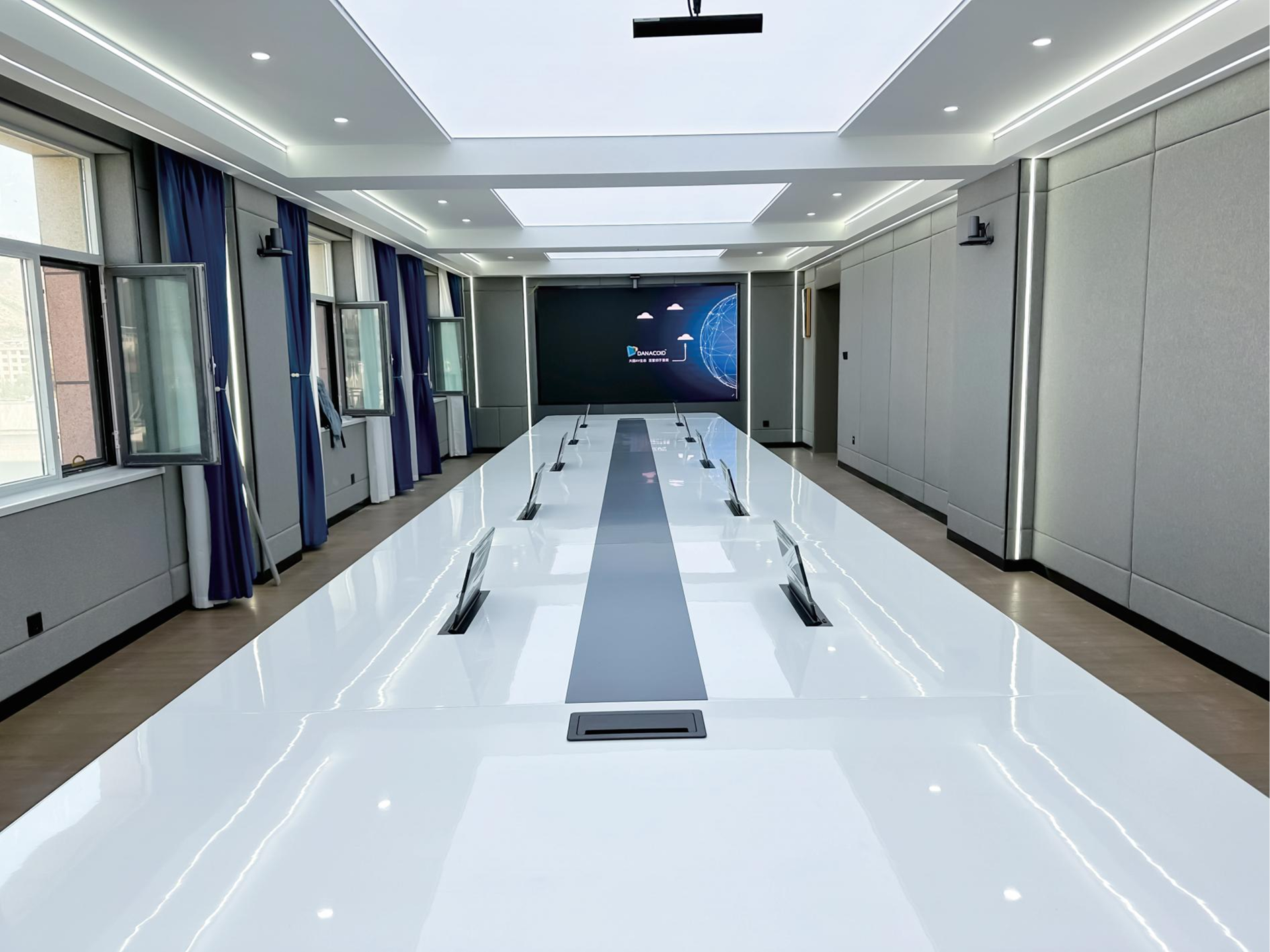
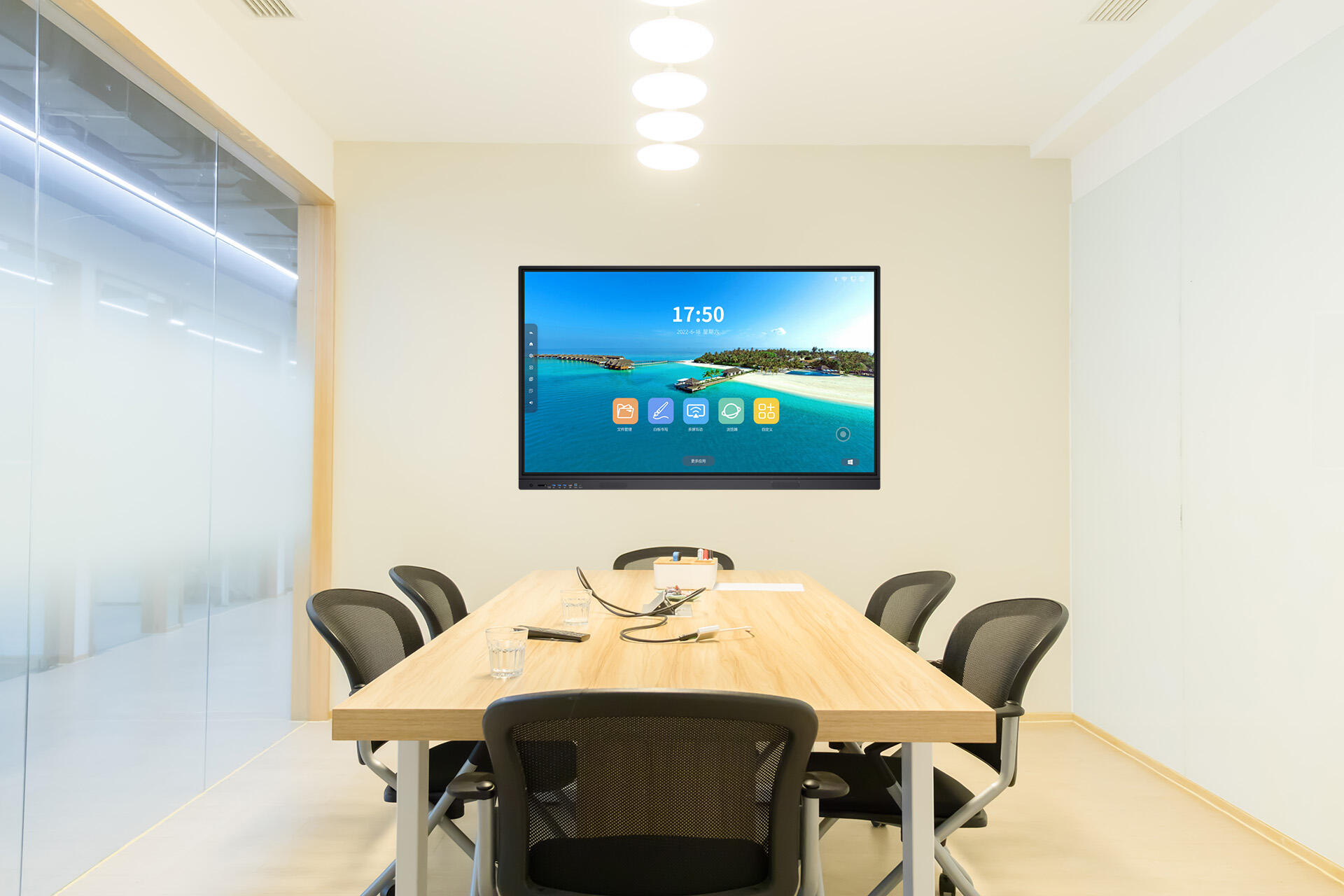
Corporate installations utilize transparent LED displays for conference rooms, reception areas, and collaborative spaces where information sharing requires maintaining visual connectivity between separated areas. Meeting rooms benefit from displays that present agenda items, data visualizations, and collaborative content while preserving natural lighting and spatial openness.
Educational institutions implement transparent LED displays in libraries, laboratories, and common areas to deliver announcements, wayfinding information, and educational content while maintaining architectural transparency that supports learning environment aesthetics and functionality requirements.
Museum and exhibition applications showcase transparent LED displays as interpretive media that overlay digital information onto physical exhibits, creating augmented reality experiences that enhance visitor engagement while preserving clear sight lines to displayed artifacts and installations.
Technical Performance and Operational Considerations
Display Quality and Visual Performance
Visual performance characteristics of transparent LED displays include color accuracy, brightness uniformity, and contrast ratios that determine content visibility across various viewing conditions. Advanced displays achieve high color gamut reproduction with consistent performance across the entire display surface, ensuring professional-quality presentation for commercial applications.
Viewing angle considerations affect content visibility from different perspectives, with high-quality transparent LED displays maintaining color consistency and brightness uniformity across wide viewing angles to accommodate diverse audience positions and environmental configurations in commercial installations.
Resolution capabilities depend on pixel pitch specifications, with finer pitches delivering higher detail levels for close-viewing applications while coarser pitches optimize transparency and viewing distance requirements for architectural installations where detailed imagery may not be necessary.
Maintenance and Operational Efficiency
Maintenance requirements for transparent LED displays include regular cleaning protocols, LED module inspection procedures, and preventive maintenance scheduling that ensures continuous operation and optimal visual performance. Modular construction facilitates component replacement without requiring complete system shutdown or extensive reinstallation procedures.
Energy efficiency considerations make transparent LED displays attractive for continuous operation applications, with advanced models incorporating power management systems that optimize energy consumption based on content requirements and operational schedules while maintaining performance standards.
Remote monitoring capabilities enable facility managers to track transparent LED displays performance metrics, identify potential issues before system failures occur, and manage content updates across multiple installations from centralized control systems that support comprehensive facility management strategies.
Future Innovation and Market Evolution
Emerging Technology Integration
Future developments in transparent LED displays include enhanced pixel miniaturization that increases transparency while maintaining resolution capabilities, enabling even more seamless integration into architectural environments. Advanced materials research focuses on improving LED efficiency and longevity while reducing manufacturing costs and environmental impact.
Integration with artificial intelligence and machine learning systems enables transparent LED displays to adapt content presentation based on audience analytics, environmental conditions, and usage patterns, creating self-optimizing installations that improve performance and user engagement over time without manual intervention.
Flexible transparent LED displays represent an emerging category that accommodates curved surfaces and complex architectural geometries, expanding application possibilities beyond traditional flat-panel installations to include sculptural displays and organic architectural integration approaches.
Market Applications and Industry Growth
Market expansion for transparent LED displays includes transportation hubs where passenger information systems benefit from maintaining visibility while delivering real-time scheduling and wayfinding content. Airport terminals, train stations, and bus facilities utilize these displays to enhance passenger experience while preserving architectural openness and natural lighting.
Healthcare facilities implement transparent LED displays for patient information systems, wayfinding applications, and administrative communications that maintain sterile environment visibility requirements while delivering essential information to patients, visitors, and staff members throughout medical facilities.
Smart city initiatives incorporate transparent LED displays into urban infrastructure for public information systems, emergency communications, and community engagement platforms that enhance civic services while maintaining urban aesthetic standards and preserving sight lines through public spaces.
FAQ
What transparency levels can transparent LED displays achieve?
Transparent LED displays typically achieve transparency levels ranging from 70% to 90%, depending on pixel pitch and LED module configuration. Displays with larger pixel pitches offer higher transparency but lower resolution, while finer pitches provide more detailed imagery with reduced see-through capability. The optimal transparency level depends on specific application requirements balancing visual impact with environmental lighting needs.
How do transparent LED displays perform in different lighting conditions?
Modern transparent LED displays incorporate automatic brightness adjustment systems that optimize visibility across varying lighting conditions, from bright daylight to low-light environments. Advanced models feature ambient light sensors that continuously monitor environmental conditions and adjust display luminosity accordingly, ensuring consistent content visibility while preventing excessive glare or insufficient brightness that could compromise viewing experience.
What maintenance requirements do transparent LED displays have?
Transparent LED displays require regular cleaning to maintain optical clarity, periodic LED module inspection to identify potential failures, and software updates to ensure optimal performance. Modular construction enables individual component replacement without system shutdown, while remote monitoring systems track performance metrics and alert facility managers to maintenance needs before issues affect operation. Professional maintenance schedules typically include quarterly inspections and annual comprehensive servicing.
Can transparent LED displays integrate with existing building management systems?
Yes, transparent LED displays can integrate with building management systems through standard networking protocols, enabling centralized control of content scheduling, power management, and performance monitoring. Integration capabilities include connection to fire safety systems for emergency messaging, HVAC systems for thermal management coordination, and security systems for automated content control based on occupancy or security status throughout commercial facilities.