
 EN
EN
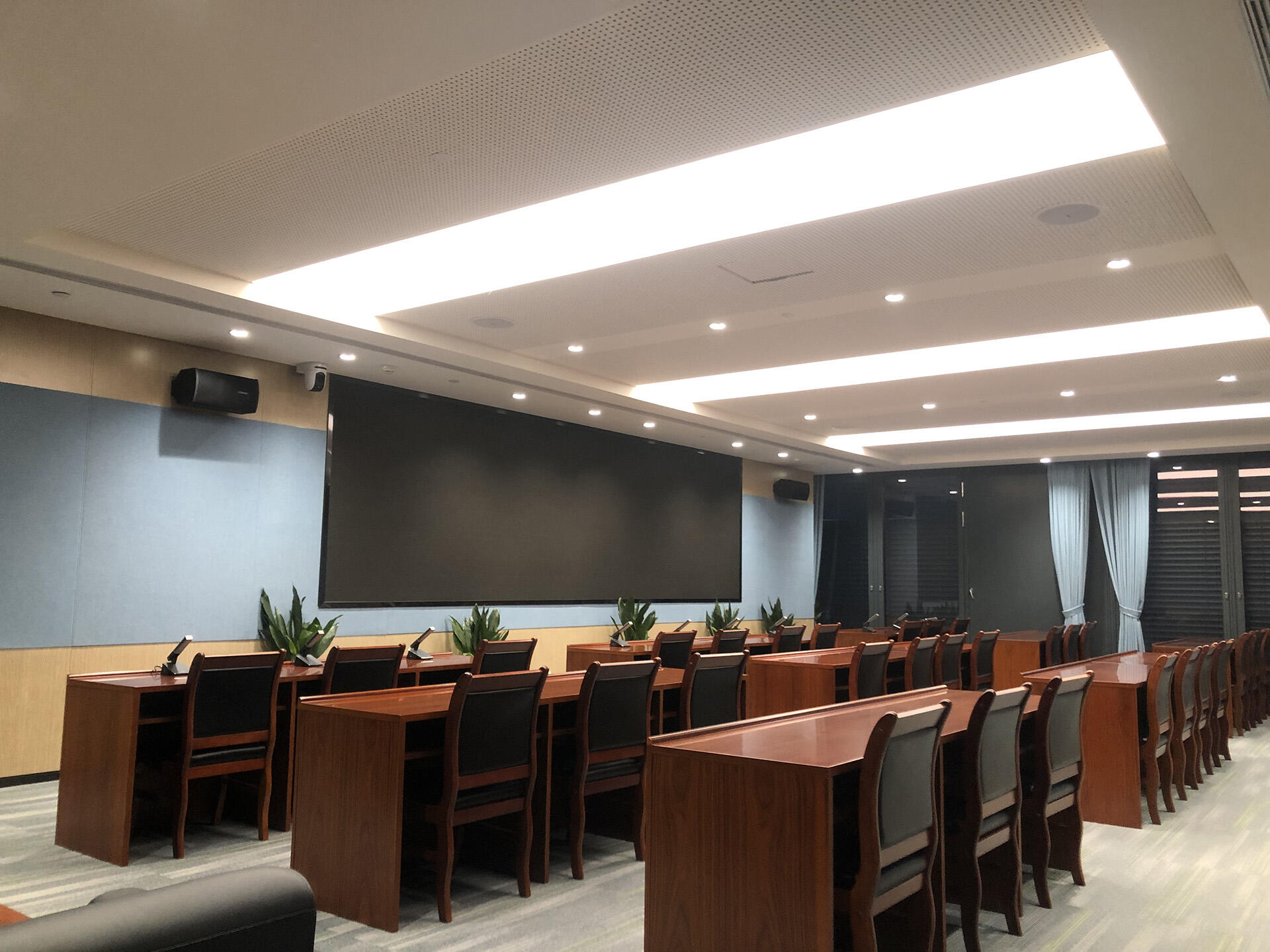
Modern businesses face mounting pressure to reduce operational costs while simultaneously meeting environmental sustainability goals. Energy-efficient LED displays represent a powerful solution that addresses both challenges simultaneously, offering organizations the opportunity to dramatically cut electricity expenses while substantially reducing their carbon emissions. These advanced display technologies have revolutionized how companies approach their visual communication needs, providing superior performance characteristics that translate directly into measurable cost savings and environmental benefits.
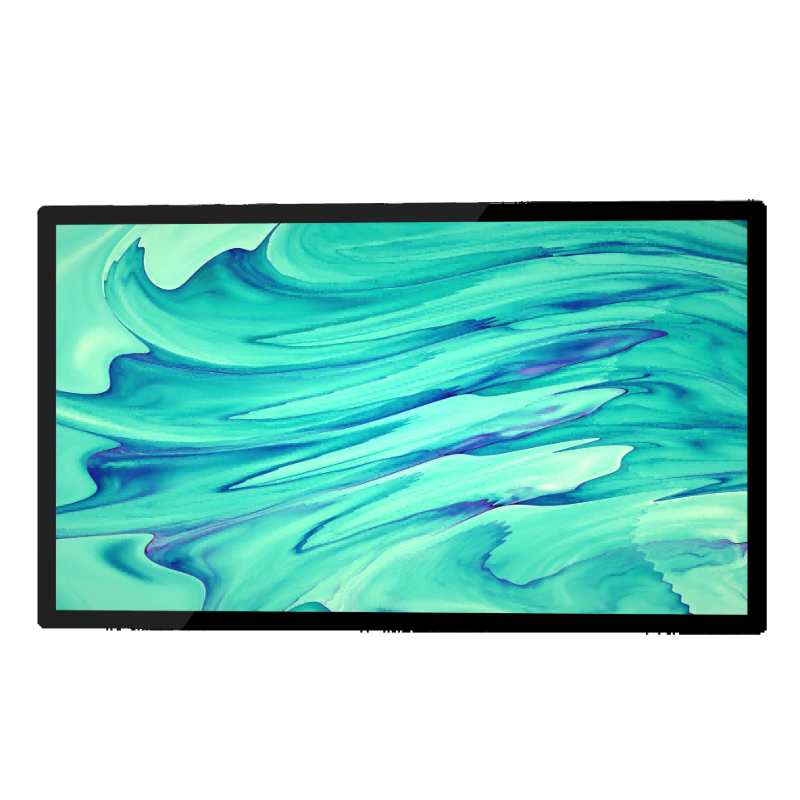
The implementation of energy-efficient LED displays creates a compelling business case that extends far beyond initial procurement considerations. Organizations implementing these technologies typically experience immediate reductions in energy consumption ranging from 40% to 80% compared to traditional display alternatives, while simultaneously extending equipment lifecycles and reducing maintenance requirements. Understanding the comprehensive mechanisms through which these displays generate cost savings and environmental benefits enables informed decision-making that supports both financial objectives and corporate sustainability initiatives.
Understanding LED Display Energy Efficiency Technology
Core LED Technology Principles
Energy-efficient LED displays achieve their remarkable performance through sophisticated semiconductor technology that converts electrical energy into light with minimal waste heat generation. Unlike traditional display technologies that rely on energy-intensive backlighting systems, LED displays utilize individual light-emitting diodes that produce illumination directly at the pixel level. This fundamental difference eliminates multiple energy conversion stages, resulting in dramatically improved electrical efficiency ratios that directly translate into reduced power consumption.
The quantum efficiency of modern LED semiconductors enables these displays to achieve luminous efficacy ratings exceeding 150 lumens per watt, compared to traditional display technologies that typically achieve only 20-40 lumens per watt. This substantial improvement in energy conversion efficiency means that energy-efficient LED displays require significantly less electrical power to produce equivalent brightness levels, creating immediate cost savings from the moment of installation.
Advanced Power Management Systems
Contemporary energy-efficient LED displays incorporate sophisticated power management architectures that optimize energy consumption based on real-time display requirements. These intelligent systems automatically adjust brightness levels, refresh rates, and pixel activation patterns according to ambient lighting conditions and content characteristics. Smart dimming algorithms ensure optimal visibility while minimizing unnecessary power draw during periods of reduced ambient light.
Dynamic power scaling technology enables energy-efficient LED displays to reduce consumption by up to 60% during periods of minimal activity, while maintaining instant response capabilities when full brightness becomes necessary. These adaptive power management features ensure that displays consume only the energy required for optimal performance at any given moment, maximizing efficiency without compromising visual quality or responsiveness.
Quantifying Direct Cost Savings
Electricity Consumption Reduction Analysis
Organizations implementing energy-efficient LED displays typically observe immediate reductions in electricity costs that compound over the equipment lifecycle. A standard 55-inch traditional display consuming 200-300 watts can be replaced with an equivalent LED display consuming 80-120 watts, representing a 50-70% reduction in electrical power requirements. When scaled across multiple displays operating continuously in commercial environments, these savings accumulate rapidly into substantial budget impacts.
Real-world deployment scenarios demonstrate that businesses operating 10-20 energy-efficient LED displays can achieve annual electricity cost reductions ranging from $2,000 to $8,000, depending on local utility rates and operating schedules. These savings calculations become even more compelling when considering displays that operate 24/7 in mission-critical applications, where reduced power consumption translates directly into proportional cost reductions without any compromise in functionality.
Lifecycle Cost Optimization
Beyond immediate electricity savings, energy-efficient LED displays provide substantial lifecycle cost advantages through extended operational lifespans and reduced maintenance requirements. Traditional display technologies typically require replacement after 20,000-40,000 hours of operation, while modern LED displays routinely achieve 60,000-100,000 hours of reliable service. This extended lifespan reduces replacement frequency and associated procurement costs.
The reduced heat generation characteristics of energy-efficient LED displays significantly decrease cooling system requirements, further reducing operational costs in climate-controlled environments. HVAC systems work less intensively when displays generate minimal waste heat, creating secondary cost savings that compound the direct electrical consumption benefits. These combined effects often result in total cost of ownership reductions of 40-60% compared to traditional display alternatives.
Carbon Footprint Reduction Mechanisms
Direct Emissions Impact
The substantial power consumption reductions achieved by energy-efficient LED displays translate directly into proportional carbon dioxide emissions reductions at the electrical grid level. Each kilowatt-hour of electricity saved prevents the generation of approximately 0.4-0.7 kilograms of CO2 emissions, depending on regional electrical grid composition. Organizations replacing multiple traditional displays with LED alternatives can achieve annual carbon footprint reductions measured in tons of CO2 equivalent.
Large-scale implementations of energy-efficient LED displays in corporate environments, educational institutions, and retail facilities routinely achieve carbon footprint reductions of 15-25 tons CO2 annually. These emissions reductions contribute meaningfully toward corporate sustainability objectives and regulatory compliance requirements, while simultaneously generating the financial benefits associated with reduced energy consumption.
Manufacturing and Disposal Considerations
The extended operational lifespans of energy-efficient LED displays significantly reduce manufacturing-related carbon emissions by decreasing replacement frequency. Each display that operates reliably for 80,000-100,000 hours prevents the manufacturing emissions associated with 2-3 traditional display units over equivalent timeframes. This lifecycle perspective reveals that LED displays provide carbon benefits both during operation and through reduced manufacturing demand.
Additionally, energy-efficient LED displays typically contain fewer hazardous materials and utilize more recyclable components compared to traditional alternatives. The reduced waste generation and improved recyclability characteristics further enhance the environmental benefits of LED display adoption, creating comprehensive sustainability advantages that extend throughout the entire product lifecycle.
Implementation Strategies for Maximum Impact
Deployment Planning and Assessment
Successful implementation of energy-efficient LED displays requires comprehensive assessment of existing display inventory, usage patterns, and energy consumption baselines. Organizations should conduct detailed audits of current display installations to identify high-impact replacement opportunities where energy savings will be most substantial. Priority should be given to displays with high utilization rates, continuous operation requirements, or locations with elevated electricity costs.
Strategic deployment planning involves evaluating the specific performance requirements for each display location to ensure that energy-efficient LED displays meet or exceed existing functionality while providing maximum energy savings. This assessment process helps organizations develop implementation timelines that maximize return on investment while supporting operational continuity throughout the transition process.
Technology Selection and Optimization
Selecting appropriate energy-efficient LED displays requires careful evaluation of performance specifications, energy consumption ratings, and environmental operating conditions. Modern LED displays offer various efficiency levels and feature sets, making it essential to match technology capabilities with specific application requirements. Higher-efficiency models provide greater cost savings but may require larger initial investments, making lifecycle cost analysis crucial for optimal selection.
Configuration optimization involves adjusting brightness settings, refresh rates, and power management features to achieve optimal energy efficiency without compromising visual performance. Many energy-efficient LED displays include preset efficiency modes that automatically optimize settings for different usage scenarios, simplifying the process of achieving maximum energy savings while maintaining excellent display quality.
Measuring and Monitoring Results
Performance Tracking Systems
Effective measurement of cost savings and carbon footprint reductions requires implementing comprehensive monitoring systems that track energy consumption before, during, and after LED display deployment. Smart meters and energy monitoring devices provide real-time visibility into power consumption patterns, enabling organizations to quantify actual savings against projected benefits and identify opportunities for further optimization.
Many modern energy-efficient LED displays include built-in energy monitoring capabilities that provide detailed consumption data through network-connected management systems. These integrated monitoring features enable continuous performance assessment and help ensure that displays maintain optimal efficiency throughout their operational lifecycles, maximizing both cost savings and environmental benefits.
Reporting and Validation
Comprehensive reporting systems enable organizations to document and validate the financial and environmental benefits achieved through energy-efficient LED displays implementation. Regular reporting on energy consumption reductions, cost savings, and carbon footprint improvements supports corporate sustainability initiatives and provides data for regulatory compliance requirements. These metrics also help justify continued investment in efficient display technologies.
Third-party validation of energy savings and emissions reductions can provide additional credibility for sustainability reporting and stakeholder communications. Independent verification of LED display efficiency benefits helps organizations communicate their environmental achievements with confidence while supporting broader corporate social responsibility objectives.
FAQ
How much can energy-efficient LED displays reduce electricity costs compared to traditional displays?
Energy-efficient LED displays typically reduce electricity costs by 50-80% compared to traditional display technologies. The exact savings depend on the specific models being replaced, operating hours, and local electricity rates. Organizations with multiple displays operating continuously often see annual cost reductions of thousands of dollars.
What is the typical lifespan of energy-efficient LED displays and how does this impact costs?
Modern energy-efficient LED displays typically operate reliably for 60,000-100,000 hours, which is 2-3 times longer than traditional displays. This extended lifespan reduces replacement frequency and associated procurement costs, contributing significantly to total cost of ownership savings beyond just electricity consumption benefits.
How do energy-efficient LED displays contribute to carbon footprint reduction?
Energy-efficient LED displays reduce carbon footprints through dramatically lower power consumption, which decreases electrical grid emissions by 0.4-0.7 kg CO2 per kilowatt-hour saved. Large installations can achieve annual carbon reductions of 15-25 tons CO2 equivalent, while extended lifespans also reduce manufacturing-related emissions through decreased replacement frequency.
Can existing display installations be easily upgraded to energy-efficient LED displays?
Most existing display installations can be upgraded to energy-efficient LED displays with minimal infrastructure modifications. LED displays typically use standard mounting systems and power connections, making replacement straightforward. The main considerations involve ensuring adequate power capacity reduction and optimizing display settings for maximum efficiency in the specific installation environment.
Table of Contents
- Understanding LED Display Energy Efficiency Technology
- Quantifying Direct Cost Savings
- Carbon Footprint Reduction Mechanisms
- Implementation Strategies for Maximum Impact
- Measuring and Monitoring Results
-
FAQ
- How much can energy-efficient LED displays reduce electricity costs compared to traditional displays?
- What is the typical lifespan of energy-efficient LED displays and how does this impact costs?
- How do energy-efficient LED displays contribute to carbon footprint reduction?
- Can existing display installations be easily upgraded to energy-efficient LED displays?