
 EN
EN
![Is a Fine-Pitch LED Screen Right for Your Application? [Quiz]](https://shopcdnpro.grainajz.com/category/356442/2098/5dbc12dfe6fbc3cee8c95ffcec975061/19.jpg)
Determining whether a fine-pitch LED screen is the right choice for your specific application requires careful evaluation of multiple technical and operational factors. With pixel pitches typically ranging from 0.6mm to 2.5mm, fine-pitch LED screens offer exceptional image quality and viewing experiences, but they also come with distinct considerations regarding cost, installation complexity, and maintenance requirements that must align with your project goals.
This comprehensive assessment will guide you through the critical decision points that determine fine-pitch LED screen suitability, examining viewing distance requirements, content characteristics, environmental conditions, and budget constraints. By understanding these key evaluation criteria, you can make an informed decision about whether this advanced display technology matches your application's unique demands and delivers the return on investment your organization expects.
Understanding Fine-Pitch LED Screen Characteristics
Technical Specifications and Performance Metrics
Fine-pitch LED screens distinguish themselves through superior pixel density, typically featuring pixel pitches between 0.6mm and 2.5mm that enable crisp image reproduction at close viewing distances. These displays achieve brightness levels ranging from 600 to 1,200 nits for indoor applications, with contrast ratios often exceeding 5,000:1 to deliver vibrant colors and deep blacks. The refresh rates commonly reach 3,840Hz or higher, ensuring smooth video playback without flicker or motion blur during dynamic content presentation.
Color accuracy represents another critical advantage, with quality fine-pitch LED screen models covering over 95% of the NTSC color gamut and maintaining consistent color temperature across the entire display surface. The modular cabinet design allows for seamless scalability, enabling custom screen sizes and aspect ratios that traditional display technologies cannot match. Processing capabilities include support for multiple input formats, including 4K and 8K content, with advanced scaling algorithms that optimize image quality regardless of source resolution.
Thermal management systems integrate sophisticated cooling mechanisms to maintain optimal operating temperatures, typically keeping LED junction temperatures below 85°C to ensure long-term reliability. The lifespan of premium fine-pitch LED screen installations often exceeds 100,000 hours of operation, translating to over 11 years of continuous use with minimal degradation in brightness or color accuracy.
Structural and Installation Requirements
The physical characteristics of fine-pitch LED screen systems require careful consideration during planning phases, as cabinet weights typically range from 25 to 45 kilograms per square meter depending on pixel pitch and construction materials. Wall-mounted installations demand robust structural support capable of handling both static loads and dynamic forces, particularly in environments subject to vibration or seismic activity.
Installation precision becomes critical due to the tight tolerances required for seamless image alignment, with gap specifications often measuring less than 0.5mm between adjacent cabinets. This precision demands specialized mounting systems and experienced installation teams familiar with fine-pitch LED screen assembly procedures. The depth requirements typically range from 80mm to 150mm, including rear access space for maintenance and ventilation.
Power infrastructure must accommodate significant electrical demands, with power consumption ranging from 200 to 800 watts per square meter depending on brightness settings and content characteristics. Redundant power supplies and surge protection systems become essential for mission-critical applications where display downtime cannot be tolerated.
Application Suitability Assessment Criteria
Viewing Distance and Audience Characteristics
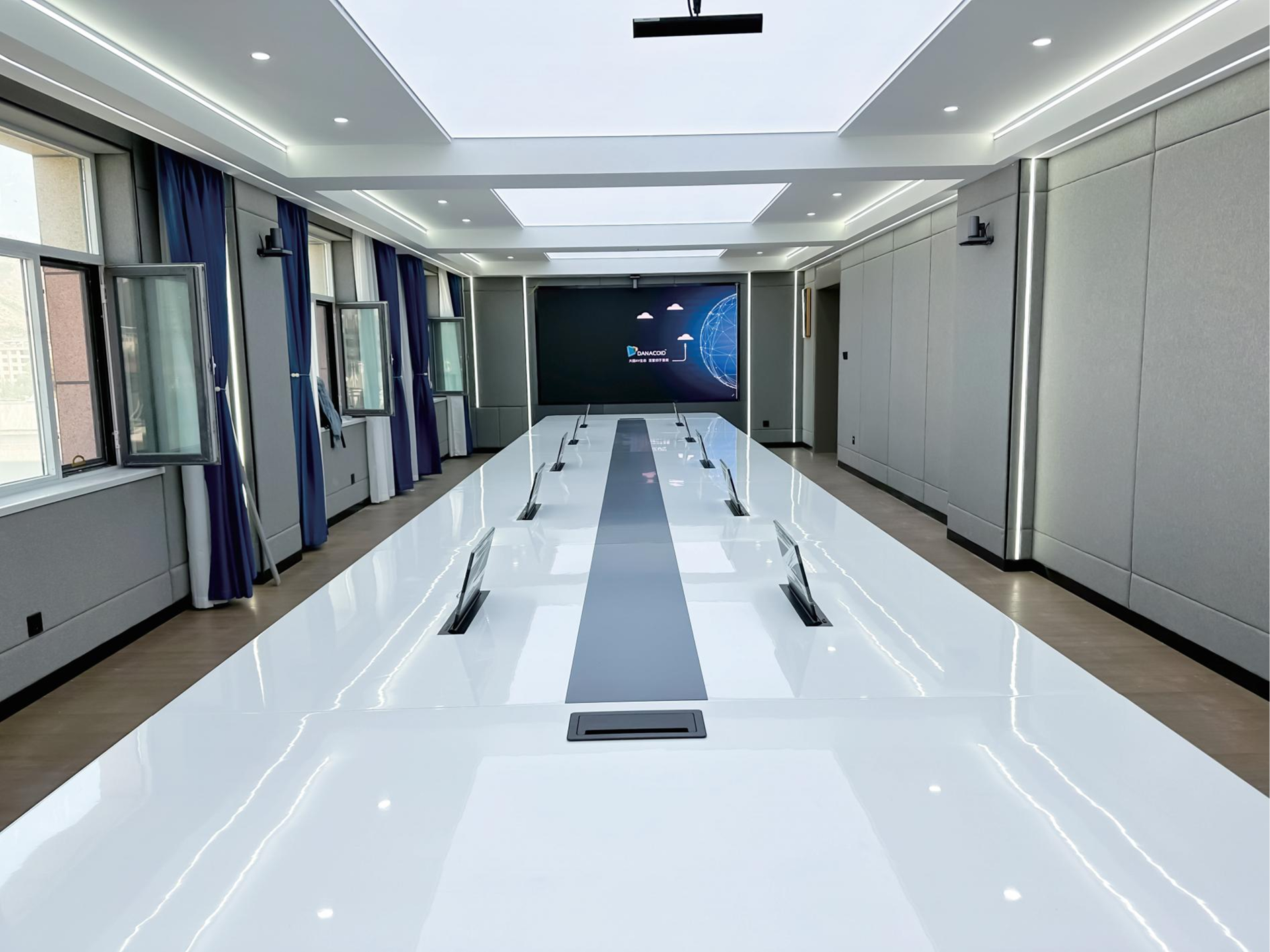
The optimal viewing distance for fine-pitch LED screen applications typically ranges from 1.5 to 10 meters, making them ideal for conference rooms, control centers, broadcast studios, and retail environments where audiences view content at relatively close distances. Applications requiring viewing distances beyond 10 meters may not fully utilize the superior resolution capabilities, potentially making standard LED displays more cost-effective alternatives.
Audience size and viewing angles significantly influence suitability decisions, as fine-pitch LED screen technology excels in environments where multiple viewers need clear visibility from various positions. The wide viewing angles, typically exceeding 160 degrees both horizontally and vertically, ensure consistent image quality regardless of viewer position. However, applications with single-viewer scenarios or narrow viewing requirements might not justify the premium investment.
Content consumption patterns also affect suitability, with fine-pitch LED screen installations providing maximum value when displaying detailed graphics, fine text, high-resolution video content, or data visualization requiring pixel-level accuracy. Applications primarily showing basic graphics or limited content variety may not require the advanced capabilities that justify the higher investment.
Environmental and Operational Conditions
Indoor environmental conditions play a crucial role in fine-pitch LED screen performance and longevity, with optimal operating temperatures between 0°C and 40°C and humidity levels below 85% relative humidity. Environments exceeding these parameters require additional climate control systems or specialized protective enclosures that increase total project costs.
Ambient light conditions significantly impact display effectiveness, with fine-pitch LED screens performing optimally in controlled lighting environments where brightness can be adjusted to match surrounding conditions. Applications in high-ambient-light environments may require displays with higher brightness capabilities, increasing power consumption and thermal management requirements.
Operational schedules influence both performance requirements and total cost of ownership, with continuous operation scenarios demanding higher reliability standards and more frequent maintenance protocols. Applications with intermittent use patterns may not require the same level of redundancy and can often utilize more cost-effective fine-pitch LED screen configurations.
Content and Performance Requirements Evaluation
Resolution and Image Quality Demands
Content characteristics serve as primary determinants for fine-pitch LED screen suitability, with applications displaying high-resolution graphics, detailed CAD drawings, medical imaging, or fine text benefiting most from the superior pixel density. The native resolution capabilities allow for pixel-perfect reproduction of 4K and 8K content without interpolation or scaling artifacts that compromise image quality.
Color accuracy requirements vary significantly across applications, with broadcast production, medical imaging, and design visualization demanding precise color reproduction that fine-pitch LED screen technology can deliver. Applications with less stringent color requirements may find adequate performance from alternative display technologies at lower investment levels.
Dynamic content performance becomes critical for applications involving video conferencing, live events, or real-time data visualization, where motion handling and refresh rate capabilities directly impact user experience. Fine-pitch LED screen systems excel in these scenarios through high refresh rates and minimal motion blur, ensuring smooth content transitions and professional presentation quality.
Interactive and Integration Capabilities
Touch interaction requirements significantly influence system selection, as fine-pitch LED screen installations can integrate with various touch technologies including infrared, capacitive, and optical sensing systems. However, the integration complexity and additional cost considerations must align with application requirements and user interaction patterns.
Integration with existing control systems, content management platforms, and network infrastructure affects both initial implementation costs and ongoing operational efficiency. Fine-pitch LED screen systems typically offer extensive connectivity options and protocol support, but complex integration requirements may demand additional hardware and software components.
Scalability considerations become important for applications with potential expansion requirements, as fine-pitch LED screen modular architecture enables future screen size increases or configuration changes without complete system replacement. This flexibility provides long-term value for growing organizations or evolving application requirements.
Financial and Operational Considerations
Total Cost of Ownership Analysis
Initial investment costs for fine-pitch LED screen installations typically range from $2,000 to $8,000 per square meter, depending on pixel pitch, cabinet specifications, and installation complexity. This premium pricing reflects the advanced manufacturing processes, high-quality components, and precision assembly required for fine-pitch LED screen production.
Operational expenses include electricity consumption, which varies based on brightness settings and content characteristics, typically ranging from $0.50 to $2.00 per square meter per day for standard business hours operation. Maintenance costs remain relatively low due to the solid-state construction and long component lifespan, but specialized service requirements may increase support costs compared to conventional display technologies.
Return on investment calculations must consider the extended lifespan, typically 10-15 years, and the productivity benefits derived from improved information visibility and communication effectiveness. Applications where display quality directly impacts business outcomes, such as control rooms or presentation environments, often justify the premium investment through operational improvements and reduced error rates.
Maintenance and Support Requirements
Preventive maintenance protocols for fine-pitch LED screen systems involve regular cleaning procedures, calibration checks, and component monitoring to maintain optimal performance throughout the operational lifespan. The modular design enables targeted repairs without affecting the entire display, minimizing downtime and maintenance costs.
Service accessibility requirements influence installation planning, as fine-pitch LED screen systems require sufficient rear access space for maintenance procedures and component replacement. Front-serviceable models are available but typically command premium pricing and may have limited pixel pitch options.
Technical support availability becomes crucial for mission-critical applications, with manufacturer warranty terms, local service capabilities, and replacement part availability affecting long-term operational reliability. Applications requiring guaranteed uptime may need redundant system components or rapid replacement protocols that increase total project costs.
FAQ
What viewing distance works best for fine-pitch LED screen applications?
Fine-pitch LED screen installations perform optimally at viewing distances between 1.5 and 10 meters, where viewers can fully appreciate the superior image quality and detail resolution. Closer viewing distances may reveal individual pixels, while distances beyond 10 meters may not justify the premium investment over standard LED displays.
How do environmental conditions affect fine-pitch LED screen performance?
Fine-pitch LED screen systems operate best in controlled indoor environments with temperatures between 0°C and 40°C and humidity below 85%. Extreme conditions require additional climate control or protective measures, while high ambient light environments may necessitate higher brightness displays that increase power consumption and costs.
What content types benefit most from fine-pitch LED screen technology?
Applications displaying high-resolution graphics, detailed technical drawings, fine text, medical imaging, or data visualization gain the most value from fine-pitch LED screen capabilities. Content requiring pixel-level accuracy and color precision justifies the premium investment, while basic graphics or simple content may not require such advanced display technology.
How does the total cost of ownership compare to alternative display technologies?
While fine-pitch LED screen systems require higher initial investment, the 10-15 year operational lifespan, low maintenance requirements, and superior performance often provide better long-term value for demanding applications. The total cost of ownership depends on usage patterns, content requirements, and the business value derived from improved display quality and reliability.