
 EN
EN
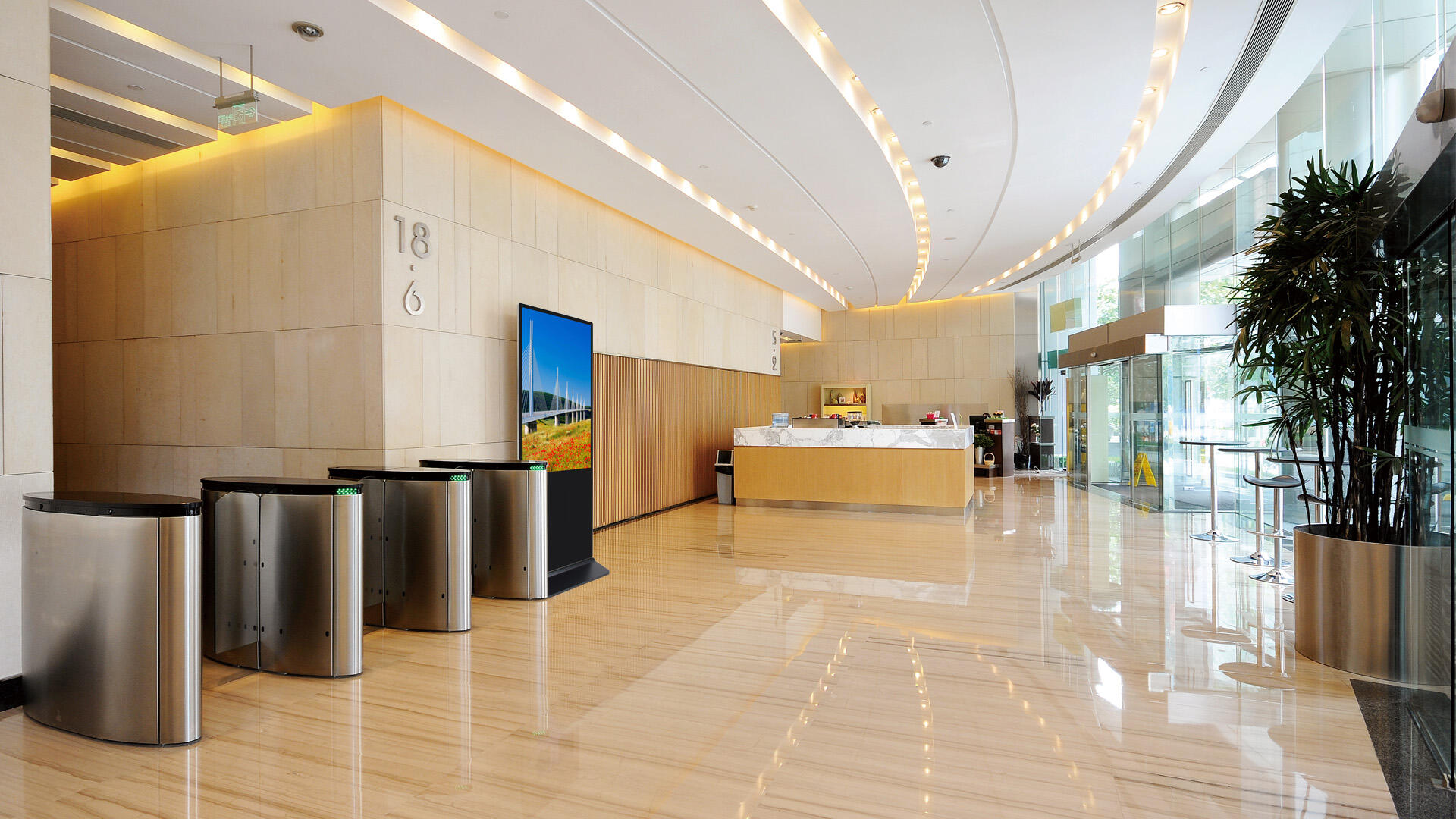
When selecting display solutions for exterior environments, understanding the technical specifications that ensure optimal visibility becomes paramount. Modern outdoor LED panels must overcome significant challenges including direct sunlight, varying weather conditions, and diverse viewing angles to deliver consistent performance. These advanced display systems represent a critical investment for businesses, municipalities, and organizations seeking reliable outdoor communication platforms.
The effectiveness of exterior digital displays depends heavily on their ability to maintain clarity and readability across different environmental conditions. Professional-grade outdoor LED panels incorporate sophisticated brightness control mechanisms and wide-angle viewing technologies that ensure content remains visible regardless of ambient lighting or viewer position. Understanding these critical specifications enables informed decision-making when implementing outdoor display solutions.
Contemporary outdoor digital signage must balance energy efficiency with performance requirements while maintaining durability against environmental stressors. The integration of advanced LED technology with robust housing systems creates display solutions capable of operating reliably in challenging outdoor environments. These systems serve diverse applications from advertising and information dissemination to emergency communications and wayfinding.
Brightness Specifications and Standards
Luminance Requirements for Outdoor Applications
Outdoor display applications typically require brightness levels ranging from 5,000 to 10,000 nits to ensure adequate visibility during daylight hours. These elevated luminance specifications far exceed indoor display requirements, which typically operate between 300 and 1,000 nits. The substantial brightness differential addresses the challenge of competing with direct sunlight, which can reach intensities exceeding 100,000 lux on clear days.
Professional outdoor LED panels incorporate automatic brightness adjustment systems that continuously monitor ambient light conditions and adjust display luminance accordingly. This intelligent brightness control prevents eye strain during low-light conditions while maintaining visibility during peak daylight hours. The dynamic adjustment capability extends display lifespan by preventing unnecessary power consumption and reducing LED degradation from excessive brightness operation.
Industry standards for outdoor display brightness vary based on installation environment and intended viewing distance. Urban environments with significant ambient light pollution may require higher brightness levels compared to rural installations. Additionally, displays intended for close viewing distances can operate at lower brightness levels while maintaining readability compared to highway-mounted displays requiring visibility from significant distances.
Advanced Brightness Control Technologies
Modern outdoor LED panels integrate sophisticated photocell sensors that continuously measure ambient lighting conditions and automatically adjust display brightness in real-time. These sensors typically feature multiple measurement points to account for varying light conditions across the display surface. The resulting brightness adjustments occur seamlessly without visible transitions, maintaining consistent viewer experience throughout changing environmental conditions.
Pulse width modulation technology enables precise brightness control across the entire luminance range without compromising color accuracy or uniformity. This advanced control method maintains consistent color temperature and saturation levels regardless of brightness settings. The technology also supports smooth brightness transitions that prevent jarring adjustments during rapid changes in ambient lighting conditions.
Energy-efficient brightness control systems incorporate predictive algorithms that anticipate lighting changes based on time of day, weather patterns, and seasonal variations. These intelligent systems optimize power consumption while ensuring adequate visibility levels throughout operational periods. The predictive capability reduces system response time and provides more stable display performance during transitional lighting conditions.
Viewing Angle Optimization
Horizontal and Vertical Viewing Specifications
Professional outdoor LED panels typically offer viewing angles ranging from 120 to 160 degrees horizontally and 90 to 120 degrees vertically. These wide viewing angles ensure content visibility from multiple positions relative to the display surface. The asymmetric viewing angle specification accounts for typical installation orientations where horizontal viewing coverage often takes priority over vertical range.
Viewing angle performance directly impacts content legibility and color consistency across different observer positions. High-quality outdoor LED panels maintain uniform brightness and color reproduction across their entire specified viewing cone. This consistency ensures that content remains readable and visually appealing regardless of viewer location within the designated viewing area.
Advanced LED packaging technologies utilize specialized lens systems and chip placement strategies to optimize light distribution patterns. These design elements control beam spread characteristics and minimize brightness falloff at extreme viewing angles. The result is improved content visibility for viewers positioned at angles that would traditionally compromise display readability.
Environmental Impact on Viewing Performance
Weather conditions significantly influence viewing angle performance through atmospheric interference and surface reflectance changes. Rain, snow, and humidity can scatter light and reduce effective viewing distances while maintaining acceptable viewing angles. Professional outdoor LED panels incorporate anti-reflective coatings and specialized surface treatments that minimize these environmental impacts.
Temperature variations affect LED performance characteristics including brightness output and color consistency across different viewing angles. Quality outdoor displays integrate thermal management systems that maintain stable operating temperatures and preserve viewing angle specifications throughout extreme weather conditions. These thermal control measures ensure consistent performance regardless of seasonal temperature fluctuations.
Installation orientation and mounting angle selection influence effective viewing angle coverage for specific applications. Optimal installation positions consider primary viewing directions, sun position throughout the day, and potential obstruction factors. Professional installation services analyze site-specific conditions to maximize viewing angle utilization and overall display effectiveness.
Performance Optimization Strategies
Content Design for Maximum Visibility
Effective content design for outdoor LED panels requires consideration of brightness contrast ratios and color selection strategies that maximize visibility across all viewing conditions. High contrast color combinations ensure content readability even when viewed from extreme angles or during challenging lighting conditions. Professional content creation services understand these technical limitations and design accordingly.
Font selection and sizing significantly impact readability across different viewing distances and angles. Sans-serif fonts with appropriate weight and spacing optimize legibility for outdoor LED panels operating in various environmental conditions. Content designers must balance information density with readability requirements to create effective outdoor display communications.
Dynamic content scheduling systems enable automatic adjustment of display content based on time of day, weather conditions, and anticipated viewing patterns. These intelligent content management systems optimize message delivery by presenting appropriate content when visibility conditions favor specific viewing angles or brightness levels. The result is improved communication effectiveness and enhanced viewer engagement.
Installation and Positioning Considerations
Strategic installation positioning maximizes the effectiveness of brightness and viewing angle specifications through careful site analysis and mounting selection. Professional installation teams evaluate sun path analysis, traffic patterns, and surrounding environmental factors to determine optimal display orientation. These considerations ensure maximum visibility while minimizing potential glare and reflection issues.
Mounting height and tilt angle adjustments optimize viewing geometry for specific applications and audience characteristics. Higher mounting positions typically require steeper downward tilt angles to maintain optimal viewing angles for ground-level observers. These geometric considerations directly impact the effectiveness of display brightness and viewing angle specifications.
Structural integration requirements must accommodate wind loading, thermal expansion, and maintenance access while preserving optimal viewing positions. Professional mounting systems incorporate adjustment mechanisms that enable fine-tuning of display orientation after installation. This flexibility ensures optimal performance alignment with actual site conditions and viewing requirements.
Maintenance and Longevity Factors
Brightness Degradation Prevention
LED brightness degradation represents a natural phenomenon that affects all outdoor LED panels over extended operational periods. Quality displays incorporate LED chips with extended lifespan ratings and implement operational strategies that minimize brightness loss over time. Preventive maintenance protocols include regular brightness calibration and LED module replacement schedules.
Environmental protection systems shield LED components from moisture, dust, and temperature extremes that accelerate brightness degradation. Sealed housing designs with appropriate IP ratings prevent contamination while maintaining adequate heat dissipation. Regular cleaning and inspection protocols preserve optimal brightness output and extend overall system lifespan.
Advanced monitoring systems continuously track brightness output levels and identify potential degradation issues before they impact display performance. These diagnostic capabilities enable proactive maintenance scheduling and component replacement that maintains consistent brightness specifications throughout the display lifecycle. Predictive maintenance approaches minimize downtime and preserve optimal visibility characteristics.
Viewing Angle Preservation
Optical component degradation can impact viewing angle performance through lens clouding, reflector deterioration, and LED chip aging effects. Preventive maintenance protocols address these potential issues through regular inspection and selective component replacement. Quality outdoor LED panels utilize optical components rated for extended outdoor exposure.
Environmental contamination affects viewing angle consistency through surface deposits that scatter light and reduce effective beam spread. Regular cleaning procedures remove accumulated dirt, salt, and other contaminants that compromise optical performance. Professional maintenance services understand the specific cleaning requirements for different outdoor LED panel configurations.
Calibration procedures ensure continued viewing angle consistency across individual LED modules within larger display arrays. These calibration processes address minor variations in LED performance that can create viewing angle inconsistencies over time. Regular calibration maintains uniform display appearance across all viewing positions within the specified viewing cone.
FAQ
What brightness level is recommended for outdoor LED panels in direct sunlight
Outdoor LED panels operating in direct sunlight environments typically require brightness levels between 6,000 and 10,000 nits to ensure adequate visibility. The specific brightness requirement depends on ambient light conditions, viewing distance, and surrounding environmental factors. Professional displays incorporate automatic brightness adjustment systems that optimize luminance levels based on real-time ambient light measurements.
How do viewing angles affect content visibility on outdoor displays
Viewing angles directly impact content visibility by determining the range of positions from which observers can clearly read display content. Wider viewing angles provide greater flexibility in installation positioning and accommodate larger audience areas. Quality outdoor LED panels maintain consistent brightness and color reproduction across their entire specified viewing angle range, ensuring uniform content visibility from all intended viewing positions.
What environmental factors most significantly impact outdoor LED panel performance
Temperature extremes, moisture exposure, and direct sunlight represent the most significant environmental challenges for outdoor LED panels. These factors influence brightness output, color consistency, and overall system longevity. Professional outdoor displays incorporate environmental protection systems including sealed housings, thermal management, and UV-resistant materials that maintain optimal performance across varying weather conditions.
How often should outdoor LED panels undergo brightness calibration
Outdoor LED panels should undergo comprehensive brightness calibration every 6 to 12 months depending on operational intensity and environmental conditions. Regular calibration maintains consistent brightness levels across individual LED modules and compensates for natural brightness degradation over time. Professional maintenance schedules include brightness measurement, color temperature verification, and viewing angle consistency checks to ensure optimal display performance.