
 EN
EN
Modern retail stores and corporate lobbies require sophisticated visual solutions that capture attention while delivering critical information to customers and visitors. Indoor LED display screens have become the cornerstone of contemporary digital signage strategies, offering unparalleled brightness, color accuracy, and versatility for commercial environments. These advanced display technologies transform static spaces into dynamic, engaging environments that enhance customer experience and drive business outcomes through targeted messaging and visual appeal.
The evolution of indoor LED display screens has revolutionized how businesses communicate with their audiences. Unlike traditional static signage, these digital solutions provide real-time content updates, interactive capabilities, and seamless integration with existing business systems. Retail environments particularly benefit from the flexibility and impact of LED displays, as they can showcase product demonstrations, promotional content, and brand messaging with stunning visual clarity that attracts customers and influences purchasing decisions.
Essential Features of Premium Indoor LED Display Screens
High-Resolution Visual Performance
Premium indoor LED display screens deliver exceptional visual performance through advanced pixel density and color reproduction technologies. Modern displays feature 4K and even 8K resolution capabilities, ensuring crisp text readability and vibrant image quality that maintains clarity from both close and distant viewing angles. The pixel pitch specifications determine the optimal viewing distance, with finer pitches enabling closer viewer proximity without visible pixelation effects.
Color accuracy represents another critical performance factor for indoor LED display screens, particularly in retail environments where product representation must remain faithful to actual merchandise. Advanced LED displays utilize sophisticated color calibration systems and wide color gamuts to reproduce accurate skin tones, fabric textures, and product details that help customers make informed purchasing decisions based on realistic visual representations.
Energy Efficiency and Thermal Management
Contemporary indoor LED display screens incorporate energy-efficient technologies that significantly reduce operational costs while maintaining superior visual performance. LED technology inherently consumes less power compared to traditional display methods, and modern displays feature intelligent brightness adjustment systems that automatically optimize power consumption based on ambient lighting conditions and content requirements.
Thermal management systems within premium indoor LED display screens ensure consistent performance and extended lifespan through sophisticated cooling mechanisms. Advanced displays integrate heat dissipation technologies, temperature monitoring sensors, and fan systems that prevent overheating while maintaining silent operation suitable for quiet retail and lobby environments where customer comfort remains paramount.
Top-Rated Indoor LED Display Solutions for Commercial Applications
Ultra-Slim Wall-Mounted Display Systems
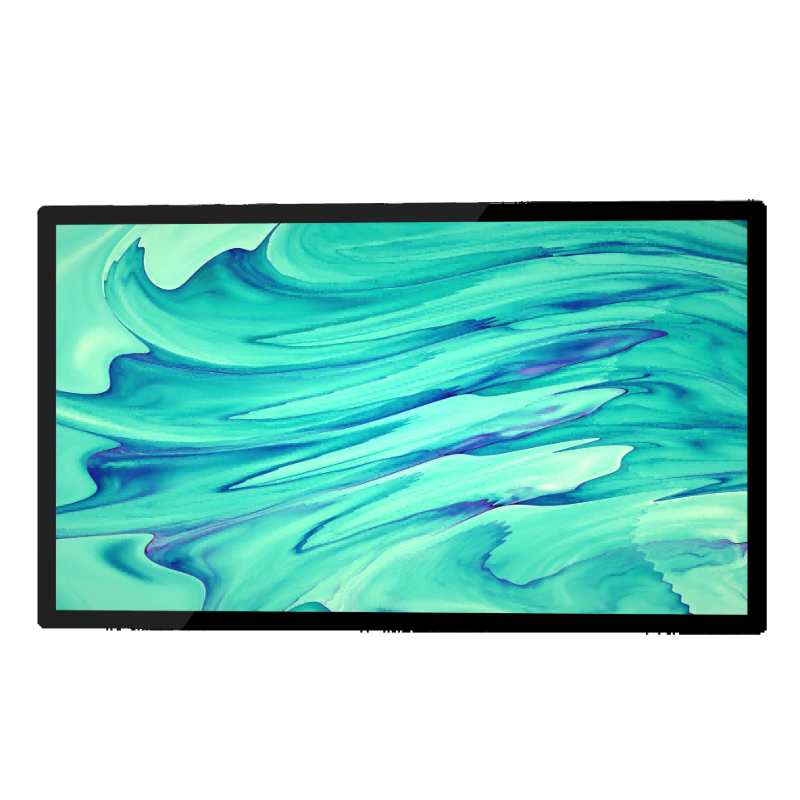
Wall-mounted indoor LED display screens offer space-efficient solutions for retail stores and lobbies with limited floor space. These slim-profile displays mount flush against walls, creating seamless installations that maximize viewing area while minimizing physical footprint. The sleek design aesthetic complements modern architectural elements and maintains clean sight lines throughout commercial spaces.
Installation flexibility represents a significant advantage of wall-mounted indoor LED display screens, as they accommodate various mounting configurations including portrait, landscape, and tilted orientations. Professional installation systems include adjustable brackets, cable management solutions, and secure mounting hardware that ensures stable operation while providing access for maintenance and content updates without disrupting daily business operations.
Interactive Touch-Enabled LED Displays
Interactive indoor LED display screens incorporate advanced touch technologies that transform passive viewing into engaging customer experiences. Multi-touch capabilities enable intuitive navigation through product catalogs, wayfinding applications, and interactive presentations that encourage customer participation and extend engagement duration within retail environments.
The integration of gesture recognition and proximity sensors in sophisticated indoor LED display screens creates responsive environments that activate content based on customer presence and movement. These intelligent systems deliver personalized experiences while collecting valuable analytics data about customer behavior patterns, dwell times, and content engagement metrics that inform future marketing strategies and display content optimization.
Strategic Placement and Configuration for Maximum Impact
Optimal Viewing Angles and Height Positioning
Strategic placement of indoor LED display screens requires careful consideration of customer traffic patterns, viewing distances, and sight line optimization throughout retail and lobby spaces. Professional installation teams analyze pedestrian flow, identify high-traffic zones, and position displays at optimal heights that ensure comfortable viewing for diverse customer demographics while maximizing exposure to passing foot traffic.
Viewing angle specifications for indoor LED display screens determine content visibility from various positions within commercial spaces. Premium displays feature wide viewing angles that maintain color accuracy and brightness consistency across horizontal and vertical planes, ensuring effective communication regardless of customer positioning relative to the display location.
Integration with Existing Architecture and Systems
Seamless integration of indoor LED display screens with existing architectural elements requires careful planning and coordination with interior design professionals. Modern displays accommodate various installation methods including recessed mounting, suspended installations, and freestanding configurations that complement existing decor while maintaining structural integrity and building code compliance.
System integration capabilities enable indoor LED display screens to connect with existing business infrastructure including point-of-sale systems, inventory management platforms, and customer relationship management databases. This connectivity facilitates real-time content updates, synchronized promotional campaigns, and automated messaging that aligns with current business operations and customer service objectives.
Content Management and Remote Control Capabilities
Cloud-Based Content Management Systems
Advanced indoor LED display screens incorporate cloud-based content management platforms that enable remote control and scheduling from any internet-connected device. These sophisticated systems allow marketing teams to update content, modify display schedules, and monitor performance metrics without physical access to individual displays, streamlining operational efficiency across multiple locations.
Content synchronization features ensure consistent messaging across multiple indoor LED display screens within retail chains or corporate campuses. Centralized management systems distribute approved content, maintain brand consistency, and implement coordinated campaigns that deliver unified customer experiences while accommodating local customization requirements for specific store locations or regional preferences.
Real-Time Data Integration and Dynamic Content
Modern indoor LED display screens support real-time data integration that automatically updates content based on external information sources including weather conditions, social media feeds, inventory levels, and promotional schedules. This dynamic content capability ensures relevance and timeliness while reducing manual content management requirements for busy retail operations.
API integration capabilities allow indoor LED display screens to connect with third-party applications and services, creating comprehensive digital ecosystems that enhance customer engagement through personalized content delivery. These systems can display customized recommendations, location-specific information, and targeted promotional messages based on customer demographics, purchase history, and behavioral patterns.
Installation and Maintenance Considerations
Professional Installation Requirements
Professional installation of indoor LED display screens requires specialized expertise in electrical systems, mounting hardware, and display calibration to ensure optimal performance and safety compliance. Certified technicians assess structural requirements, plan cable routing, and implement proper grounding systems that protect equipment while maintaining clean installations that complement commercial environments.
Installation planning for indoor LED display screens includes consideration of ambient lighting conditions, ventilation requirements, and accessibility for future maintenance activities. Professional installers coordinate with building management, electrical contractors, and network administrators to ensure seamless integration with existing infrastructure while minimizing disruption to ongoing business operations during installation periods.
Preventive Maintenance and Support Services
Regular maintenance programs for indoor LED display screens include cleaning schedules, calibration adjustments, and performance monitoring that extend equipment lifespan while maintaining consistent visual quality. Professional service providers offer comprehensive maintenance packages that include remote monitoring, preventive inspections, and rapid response support for addressing technical issues before they impact business operations.
Warranty coverage and technical support services provide peace of mind for businesses investing in indoor LED display screens for critical applications. Comprehensive service agreements typically include hardware replacement, software updates, and on-site technical support that ensures minimal downtime and consistent performance throughout the display lifecycle, protecting the investment while maintaining customer satisfaction.
Return on Investment and Performance Metrics
Measuring Customer Engagement and Sales Impact
Analytics platforms integrated with indoor LED display screens provide detailed metrics about customer engagement, content performance, and sales impact that demonstrate return on investment for digital signage initiatives. These comprehensive reporting systems track viewer attention, interaction rates, and correlation with purchase activities to quantify the effectiveness of display content and placement strategies.
Performance benchmarking for indoor LED display screens includes comparison of sales data before and after installation, analysis of customer dwell times, and measurement of promotional campaign effectiveness. These metrics help businesses optimize content strategies, justify continued investment, and identify opportunities for expansion of digital signage programs across additional locations or departments.
Long-Term Cost Benefits and Efficiency Gains
The transition to indoor LED display screens eliminates recurring costs associated with printed signage, including design, printing, installation, and disposal expenses that accumulate over time. Digital displays enable instant content updates, seasonal campaign changes, and promotional adjustments without additional production costs, resulting in significant long-term savings for businesses with frequent messaging requirements.
Operational efficiency improvements from indoor LED display screens include reduced labor requirements for signage updates, centralized content management, and automated scheduling capabilities that free staff resources for customer service activities. The scalability of digital signage systems allows businesses to expand their communication capabilities without proportional increases in management overhead or operational complexity.
FAQ
What size indoor LED display screen works best for retail stores
The optimal size for indoor LED display screens in retail stores depends on viewing distance, available wall space, and content requirements. For typical retail environments, displays ranging from 43 to 75 inches work well for close customer interaction, while larger displays up to 100 inches or modular LED walls suit lobbies and areas with greater viewing distances. Consider the 1.5 to 2.5 times diagonal measurement rule for comfortable viewing distance when selecting display size.
How much power do indoor LED display screens consume
Modern indoor LED display screens consume significantly less power than traditional display technologies, typically using 100-400 watts depending on screen size and brightness settings. Energy-efficient models with automatic brightness adjustment can reduce consumption by up to 30% compared to static brightness operation. Most commercial displays include power management features that optimize consumption based on ambient lighting and content requirements, resulting in lower operational costs.
Can indoor LED display screens operate continuously without overheating
Quality indoor LED display screens are designed for continuous 24/7 operation with sophisticated thermal management systems that prevent overheating. These displays incorporate heat dissipation technologies, temperature monitoring, and automatic brightness adjustment to maintain safe operating temperatures. However, proper ventilation, regular cleaning, and ambient temperature control within recommended ranges ensure optimal performance and extend equipment lifespan in demanding commercial environments.
What content management options are available for multiple displays
Indoor LED display screens typically support cloud-based content management systems that enable centralized control of multiple displays from a single interface. These platforms offer scheduling, remote monitoring, real-time updates, and synchronized content distribution across multiple locations. Many systems include template libraries, drag-and-drop content creation tools, and integration capabilities with existing business systems for automated content updates based on inventory, promotions, or external data sources.
Table of Contents
- Essential Features of Premium Indoor LED Display Screens
- Top-Rated Indoor LED Display Solutions for Commercial Applications
- Strategic Placement and Configuration for Maximum Impact
- Content Management and Remote Control Capabilities
- Installation and Maintenance Considerations
- Return on Investment and Performance Metrics
- FAQ